
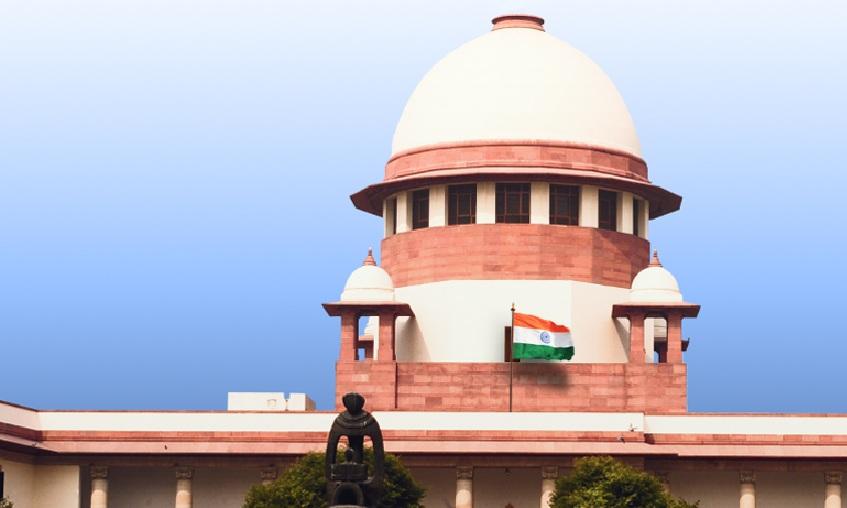
“Not today” was the cryptic reply of the Chief Justice of India who headed a three-member bench of the Supreme Court which considered a bail application moved by Umar Khalid and Sharjeel Imam, charged under various sections of the anti-terror Unlawful Activities (Prevention) Act (UAPA) for their alleged role in the “larger conspiracy” behind the February 2020 northeast Delhi riots. The court’s response came when it was pointed out to them that they have been in jail without trial for more than six years. The court has now sought the response of the Delhi police which has investigated the case.
It is fact that there are more than 900 witnesses including 47 protected witnesses in the cases against the two young men, and it could take years to complete the trial. The Supreme Court had on January 5 last year allowed the two young men to seek bail either after the examination of protected witnesses or upon the expiry of one year, whichever was earlier. Not one protected witness has been examined yet, it was pointed out to the court.
Judges in the higher judiciary often exhort the judges below them that bail is the rule and jail is the exception. There are conflicting judgments as to the approach towards bail pleas of people accused of serious crimes: some believe that bail should continue to be the rule irrespective of the charge they face while others hold a contrary view.
The state may have its own grievances against people who raise their dissenting voices against it but the judiciary, despite being an arm of it, is duty-bound to stand as a protective wall and unbiased umpire in a match played between two sides that display power imbalance by a wide margin.
The guilty must be punished, but the process cannot become the punishment. Should it happen, it will undermine people’s trust in the whole mechanism of administration of criminal justice in the country.
Disclaimer : This story is auto aggregated by a computer programme and has not been created or edited by DOWNTHENEWS. Publisher: deccanchronicle.com




