Denmark’s new government has promised major changes to the country’s pig farming industry after animal welfare became one of the biggest issues in this year’s election.
The campaign became known as the “pig election” after animal welfare groups, environmental organisations and local residents pushed the issue into the national spotlight.
Prime Minister Mette Frederiksen, who secured a third term in office, said her government’s plans are designed not only for people but also for animals.
Denmark is one of the world’s largest pork exporters. 30 million piglets are born every year for meat consumption.
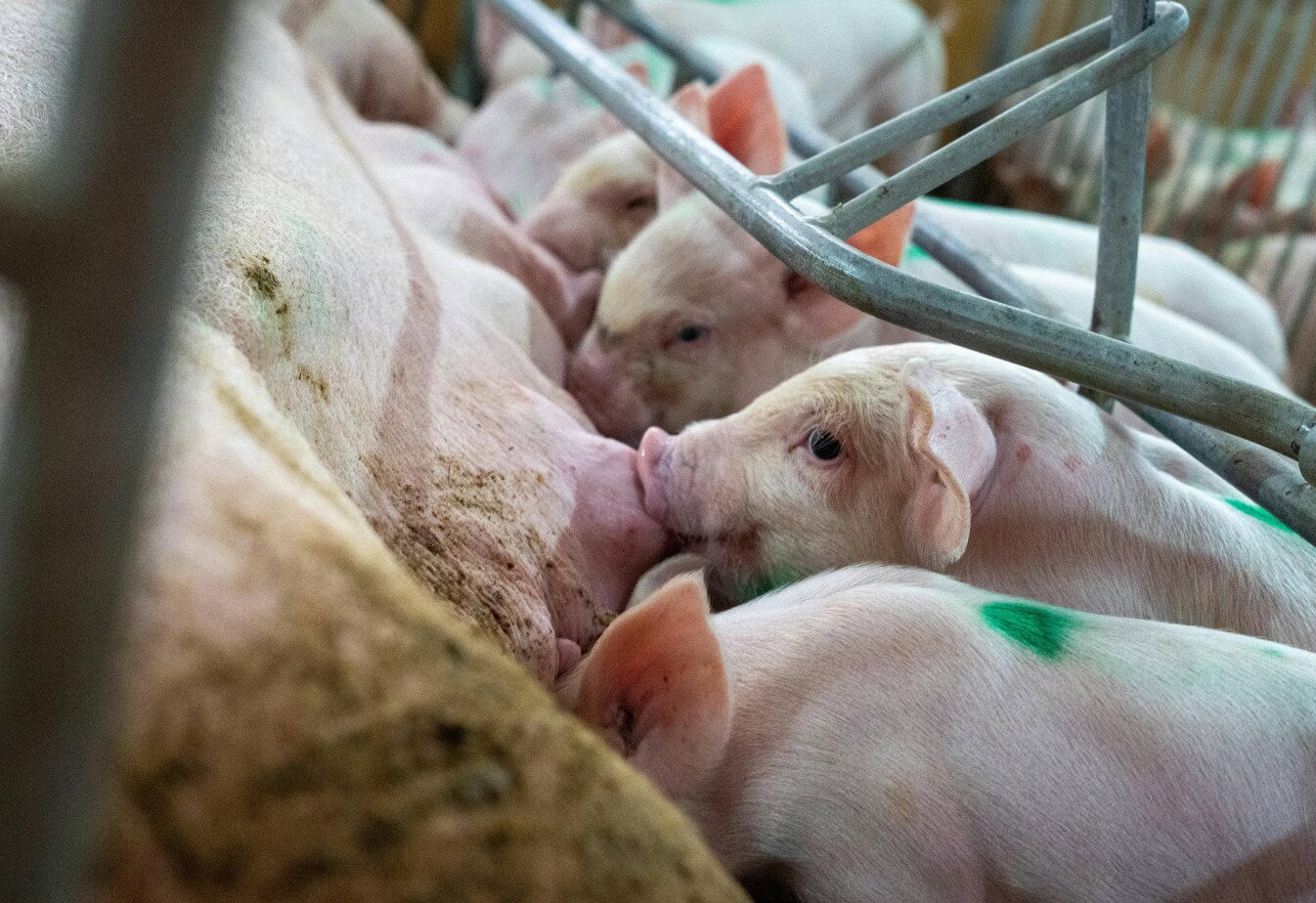
Animal welfare groups have long criticised the country’s intensive farming system. According to campaigners, around 9 million piglets die annually on Danish farms, which is more than 25,000 piglets every day.
Many farms breed pigs to produce very large litters. Female pigs often give birth to more piglets than they can feed, which animal welfare groups say increases stress and mortality rates.
Campaigners also oppose the routine docking of piglets’ tails and the use of farrowing crates, which restrict the movement of mother pigs.
Animal welfare became election issue
Animal Protection Denmark, Greenpeace Denmark and other organisations spent two years campaigning for reform. Television documentaries, newspaper investigations and a citizen petition helped bring public attention to conditions on industrial pig farms.
By the time voters went to the polls in March, more than half of Danes said animal welfare would influence their vote.
The campaign also highlighted environmental concerns linked to intensive pig farming, including water pollution from manure and pesticides used to grow animal feed.
The new government has pledged to end extreme breeding practices, stop routine tail docking and provide more space for pigs and piglets. A special commission will also be created to review and reform the entire pig farming sector.
The government says it wants to move away from highly intensive, export-focused farming and support a more sustainable system. Local communities will receive greater powers to oppose new factory farms or the expansion of existing ones.
One of the most significant changes is that Denmark will no longer have a dedicated agriculture minister. Instead, the government will create a minister for nature and animal welfare. Responsibility for agriculture will be shared across several government departments.
Disclaimer : This story is auto aggregated by a computer programme and has not been created or edited by DOWNTHENEWS. Publisher: theanimalreader.com