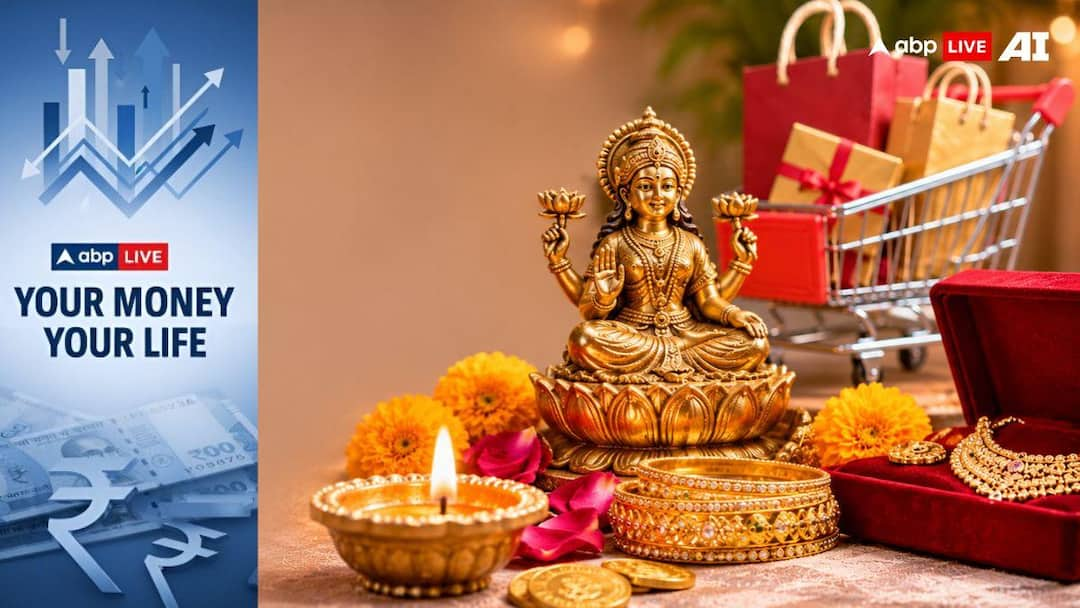
- Dhanteras traditions expand, potentially straining household budgets.
- Unplanned buys and easy credit can cause financial burdens.
- Thoughtful budgeting ensures festive joy without financial burden.
For many Indian households, Dhanteras is more than a day on the festive calendar. It is an occasion associated with prosperity, new beginnings and the purchase of something valuable. From gold jewellery and silver coins to kitchen appliances, electronics and vehicles, buying something new is often seen as a way to welcome good fortune.
But as festive shopping becomes increasingly intertwined with discounts, easy credit and social expectations, a familiar question arises: when does a purchase made in the name of tradition begin to strain the household budget?
The answer may not lie in how much a family spends, but in whether the purchase fits into its broader financial priorities.
When Tradition Meets the Festive Shopping Rush
Dhanteras has traditionally been associated with buying gold, silver and other items considered auspicious. Over time, the shopping basket has expanded, with consumers also using the occasion to purchase household goods, gadgets and big-ticket items.
For some, these purchases are planned well in advance. For others, the festive season can bring a sense of urgency, whether driven by limited-period offers, expectations around gifting or the belief that the occasion is incomplete without a purchase.
The distinction between a meaningful tradition and an expensive obligation can become blurred. A purchase that feels manageable in the moment may have a longer-term impact if it is made without accounting for regular expenses, upcoming bills or existing financial commitments.
Also Read : Disney Layoffs: 20% Cost-Cutting Target Could Trigger Fresh Job Cuts Across Key Businesses
The Cost of Buying Beyond the Budget
Festive spending does not always appear burdensome when viewed as a single transaction. The pressure often builds when several purchases happen close together.
A family may plan to buy gold, replace an appliance, purchase clothes and exchange gifts during the same festive period. Each expense may seem reasonable on its own, but together they can take up a significant share of monthly income or savings.
The risk is greater when festive purchases are funded through money set aside for other purposes, such as an emergency fund, education expenses or a planned investment.
A useful way to assess a purchase is to consider what it could mean for the household in the weeks and months that follow. If buying something today leads to difficulty meeting routine expenses tomorrow, the festive splurge may be costing more than its price tag suggests.
Easy Credit Can Make Spending Feel Smaller
Credit cards, buy-now-pay-later options and consumer loans have made it easier to spread the cost of purchases. While these options can offer convenience, they can also make it harder to assess the full financial commitment at the time of shopping.
A purchase divided into smaller instalments may appear affordable, but multiple repayments can accumulate. Interest charges, processing fees and late-payment penalties can further increase the cost, depending on the terms of the facility.
Consumers should therefore look beyond the monthly instalment and consider the total amount payable, the repayment period and whether the obligation fits comfortably within their income.
Using credit is not automatically a sign of financial stress. The concern arises when borrowing becomes the default way to fund festive spending, rather than a carefully considered choice.
Gold: A Purchase With Emotional and Financial Value
Gold occupies a distinctive place in Indian household finances. It can be a symbol of tradition, a family keepsake and, in some circumstances, a store of value. This makes buying gold on Dhanteras different from many other festive purchases.
However, the emotional significance of gold can sometimes overshadow the financial details. Buyers may focus on the occasion or the design of a piece without paying enough attention to making charges, taxes, purity, resale terms or the difference between jewellery and investment-oriented products.
The decision should reflect the purpose of the purchase. Jewellery bought for personal use may carry emotional and lifestyle value, while gold acquired as an investment should be assessed in the context of the buyer’s broader financial plan.
The same principle applies to other auspicious purchases: tradition can be honoured without overlooking the cost.
Also Read : Dalal Street Continues Festivities, Oil Falls 7%: Sensex Over 450 Points Up, Nifty Above 23,500
Festive Offers and the Psychology of Spending
Sales and promotional offers are a prominent feature of the festive shopping season. Discounts, cashback deals and bundled offers can encourage consumers to make purchases they may not have considered otherwise.
The appeal of a deal can make the price feel like a saving, even when the purchase itself was unnecessary. A discount reduces the cost of an item; it does not automatically make the expense worthwhile.
One way to avoid this trap is to distinguish between planned purchases and those prompted by an offer. If an item was not on the shopping list before the promotion appeared, consumers can pause and assess whether it serves a genuine need.
The same pause can help counter the pressure of comparison, whether with relatives, friends or social media posts showcasing festive purchases.
A Festive Budget Can Protect Financial Goals
Planning festive expenses does not have to take away from the spirit of Dhanteras. In fact, setting a budget can help households make purchases with greater confidence.
A practical approach is to decide how much can be spent after accounting for regular household expenses, savings commitments and any outstanding debt. Families can then prioritise purchases, rather than treating every festive expense as equally necessary.
It may also help to set aside a specific amount for Dhanteras shopping in advance. This can reduce the need to dip into savings or rely on credit when the occasion arrives.
For larger purchases, consumers could consider whether postponing the expense would make it easier to pay for without compromising other financial priorities.
The Real Measure of Festive Prosperity
Dhanteras is associated with wealth and prosperity, but financial well-being is not determined by the number or value of items bought on a single day.
For Indian households, the challenge is to balance cultural traditions with changing spending habits and financial realities. A purchase can be meaningful without being expensive, and celebrating the occasion does not require every household to spend in the same way.
Ultimately, a festive purchase becomes a financial burden when it leaves a household struggling to meet its other needs, weakens its savings or creates repayment pressure that continues long after the celebrations end.
The more sustainable approach may be to treat Dhanteras not only as an occasion to buy something new, but also as an opportunity to make thoughtful choices about money, choices that allow the joy of the festival to last beyond the shopping season.
Disclaimer : This story is auto aggregated by a computer programme and has not been created or edited by DOWNTHENEWS. Publisher: abplive.com