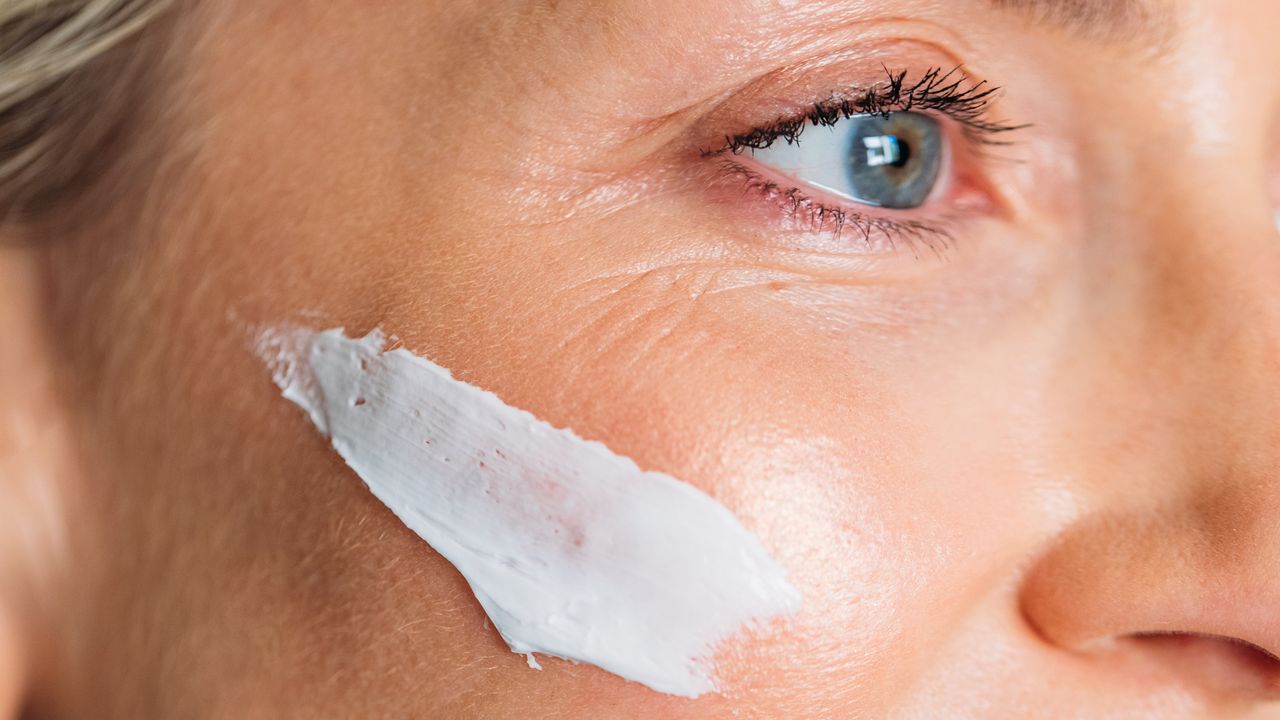
Unlike with the FDA-approved hormone therapy products—which have been studied to determine dosing, absorption, and systemic estrogen exposure—it’s hard to know exactly how much estrogen you’re absorbing from these facial creams. While most estrogen creams label the percentage of active ingredients (for example, Musely’s product contains 0.3% estriol), it’s not clear how much of that estrogen actually gets absorbed by the body. “We don’t know with the skin creams how much you get,” says Debra Jaliman, MD, a board-certified cosmetic dermatologist in New York City. “That’s concerning because facial skin is the thinnest skin in the body, so it will absorb the estrogen much more than if you put a patch [somewhere else] on your body.”
Another point: Though a face cream’s percentage and form of estrogen are weaker, it’s applied to a greater surface area than in the vagina, says Kelly Dobos, a cosmetic chemist and educator based in Cincinnati, Ohio. Because of its molecular weight (300 grams per mole) and lipophilic (fat-loving) properties, plus the penetration enhancers at least some brands include in their estrogen skin-care creams, Dobos says it’s likely that the estriol in these formulas is getting through the skin barrier. However, she continues, if you store your cream in a spot where it’s exposed to heat and light or the container isn’t sealed well, those once-effective ingredients could degrade.
Given the lack of research, there’s also no official dosage for estrogen cream. If someone applies more of the cream, or applies it on thinner areas like around the eyes, or uses it for many years, they could unknowingly increase their risk of systemic estrogen. While Dr. Jaliman says she fields questions about estrogen skin cream from several patients a week, she won’t prescribe it because she’s concerned about the risk profile.
When the new telehealth skin-care brand Cottonball soft launched in January, it was selling a cream with 0.3% estriol to customers who reported perimenopause- and menopause-related concerns. However, when Allure reached out for comment for this story, a spokesperson for the brand said that the company had reviewed the most recent findings on the risk of systemic absorption from topical estrogen creams and decided to reformulate that product, called VX.3, with the input of “multiple experts, including dermatologists, chemists, and gynecologists” and “will begin promoting the treatment once we’ve created a new ingredient blend that ensures both safety and efficacy.”
Disclaimer : This story is auto aggregated by a computer programme and has not been created or edited by DOWNTHENEWS. Publisher: www.allure.com