Basic fares have spread rapidly across airlines, and now they are even spreading across cabins. While these cheaper, albeit more restrictive, fares are standard in nearly every U.S. airline’s economy cabin, they are now becoming available in the pointy end of the plane.
Basic economy has been around for more than a decade now (since 2012, to be exact), with Delta Air Lines leading the way. It is a way for the major carriers to compete against low-cost carriers on price without giving away much else.
What is basic economy?
Different airlines refer to basic economy using different terms. Alaska Airlines calls it Saver fares, while Delta calls it Main Basic or Comfort Basic. On United Airlines, it’s Basic Economy, Polaris Base or Premium Plus Base, whereas American Airlines simply calls it Basic Economy.
Buying a basic fare usually means you can’t choose a seat or make ticket changes, and you board last. Now, airlines are adding more restrictions on these fares. For instance, American Airlines used to let you earn Loyalty Points and miles on these tickets and even remain eligible for upgrades — that’s no more. Back in December, American took those perks away from even top-tier AAdvantage members.
And it’s getting even worse.
United Airlines became the first U.S. airline to unveil a so-called basic business-class fare a few weeks ago. The airline is also rolling it out for premium economy.
That means if you book premium economy or business class on United in the new “basic” category, you won’t earn any miles or elite credit (unless you hold a United credit card or elite status). You also won’t be able to access the Polaris Lounge (only the United Club), choose your seat, make changes to your tickets or get a refund. Plus, your bag allowances will be cut back.
Delta Air Lines began rolling out “basic” fares in its Comfort cabin late last year. Comfort Basic passengers don’t get to choose a seat, aren’t eligible for upgrades, and earn fewer SkyMiles than passengers who pay for a full-fare “Comfort Classic” ticket.
Related: $3,000 ticket, 0 miles earned?! United launches basic biz, premium fares with tough new restrictions

Daily Newsletter
Reward your inbox with the TPG Daily newsletter
Join over 700,000 readers for breaking news, in-depth guides and exclusive deals from TPG’s experts
By signing up, you will receive newsletters and promotional content and agree to our Terms of Use and acknowledge the data practices in our Privacy Policy. You may unsubscribe at any time.
“You should only buy a Basic Economy fare if you are 100% certain about your trip, and you don’t mind giving up a lot of convenience, control, loyalty program benefits, and comfort,” airline analyst Henry Harteveldt, who runs an airline consulting business called Atmosphere Research, said.
There are lots of reasons to dislike basic fares.
“If you choose not to travel, you forfeit your entire basic economy fare. You’re not eligible to get the money returned as a travel credit,” Harteveldt said. “You can’t choose your seat, you can’t bring a full-size carry-on bag on the plane, you’ll be at the bottom of the pile if your flight is canceled and you need to be rebooked. You may not earn any loyalty points, and if you have elite-tier status, you may not be eligible for any of its perks or benefits. Some airlines won’t let you use their airport lounges.”
Harteveldt touched on it, but my chief complaint is something I’ve been talking about a lot on television lately: Booking basic economy means you can’t get trip credit if the price of your trip drops after you book.
No trip credits if flight price drops
If you book basic fares, you can’t take advantage of one of the greatest savings tools that came out of the COVID-19 pandemic: trip credits. If you are flying one of the major U.S. carriers, you can get a trip credit for the price difference if the fare drops between when you book and when you fly.
All you have to do is book a main cabin fare — or non-basic business class in the case of United — and then monitor the price. If the price drops, you can call the airline to request a trip credit for the difference.
I use Google Flights to track my flights and receive alerts if the price drops significantly.
There are even several new companies that can automatically get credits for you on your behalf. Junova, Paiback and Autopilot are just a few. They charge a small fee but constantly monitor ticket prices on your behalf. You can forward your email confirmations, or they can even monitor your email inbox and automatically track your flights.
Related: These new tools will track your flights and get you refunds if the price drops
I’ve been using both Paiback and Junova, and I’ve already received more than $200 in trip credits for upcoming flights.
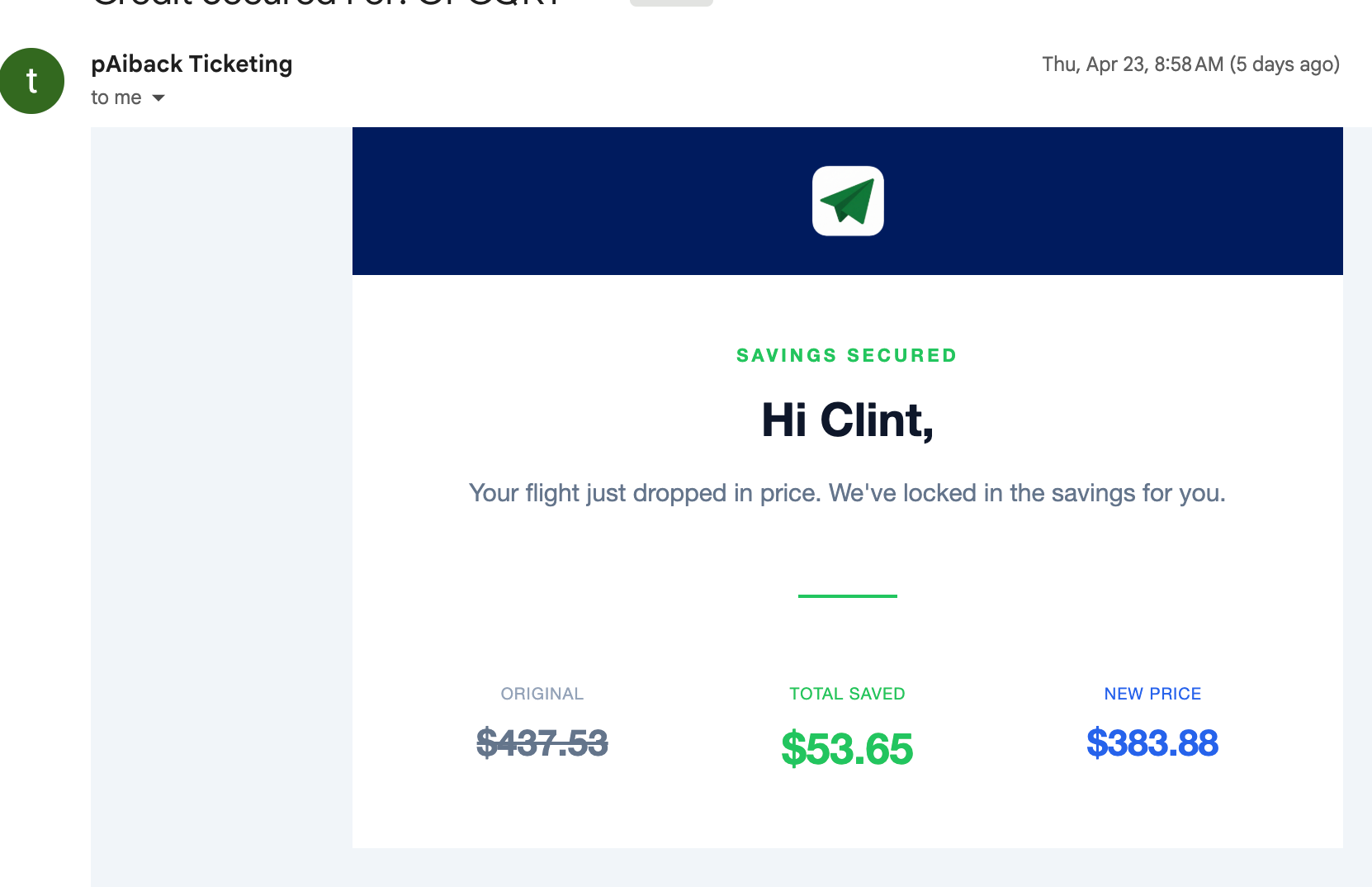
I highly recommend trying out Paiback, and you can use this TPG link to sign up. Junova is also great, and TPG has a sign-up offer for that one, too.
Contribute to higher fares
While we don’t have hard evidence that the rise in basic fares has driven overall airfare higher, we do know that many consumers are spending more to avoid some of the worst side effects of basic fares.
“Airlines are like magicians that practice sleight of hand tricks,” Harteveldt said. “Magicians make you think they can pull a coin out of your ear. Airlines tell you they’re going to introduce deeper discounts with basic economy fares, while simultaneously increasing the ‘regular’ discount coach/economy fares.”
As you can see in the screenshot below, there are now multiple fare choices for a routine flight search. In this case, if I wanted to earn miles or be eligible for an upgrade, I’d have to pay an additional $110 on top of the available “Main Basic” fare.
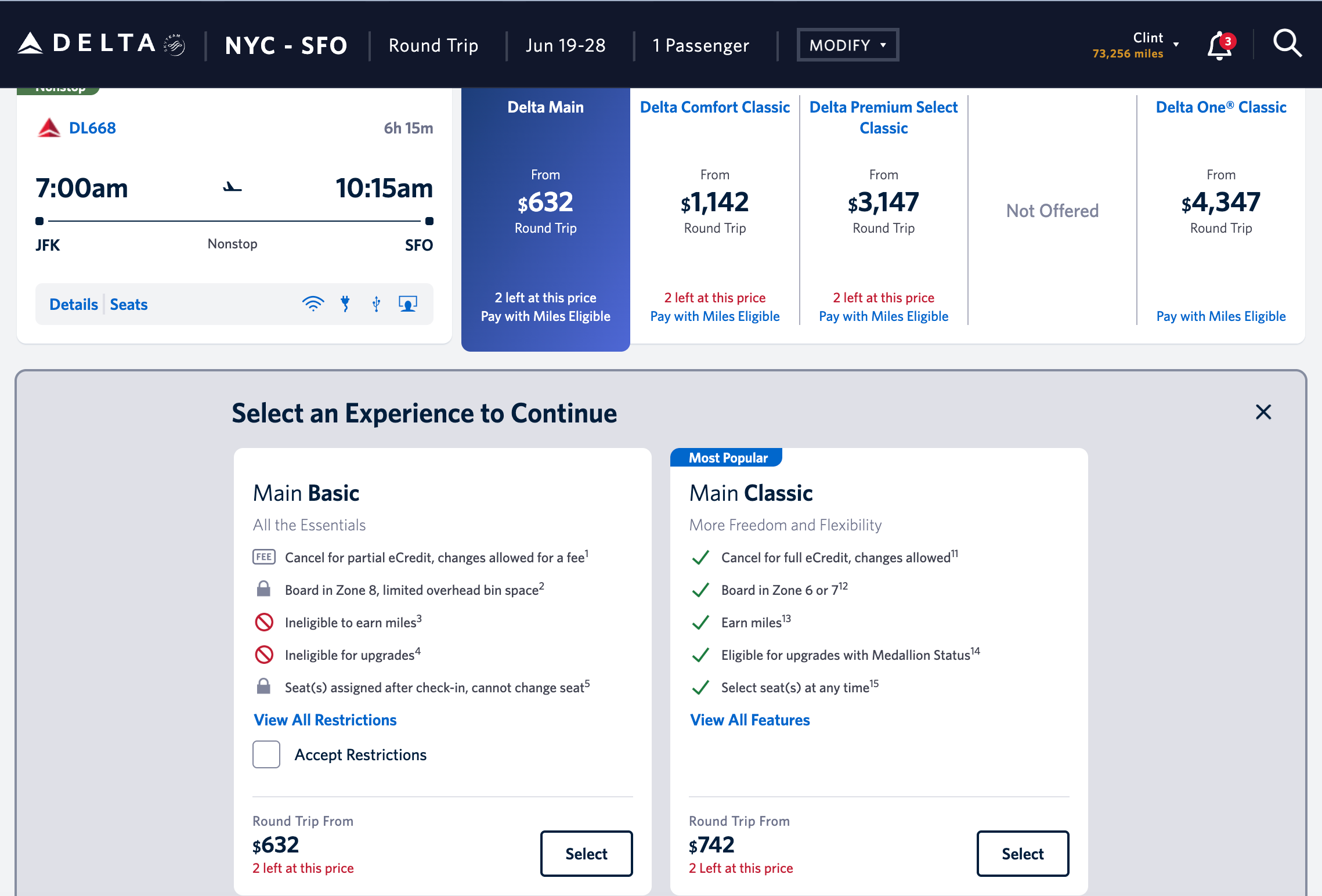
That’s a lot more money, and we’ve seen the cost of escaping basic skyrocket over the years. Where it used to be $30 or $40, it can now easily reach $200.
Many travelers are choosing more expensive fares, and that’s driving premium revenue to the airlines. It’s also making air travel more expensive for those of us who won’t fly basic.
No changes, sometimes no refunds
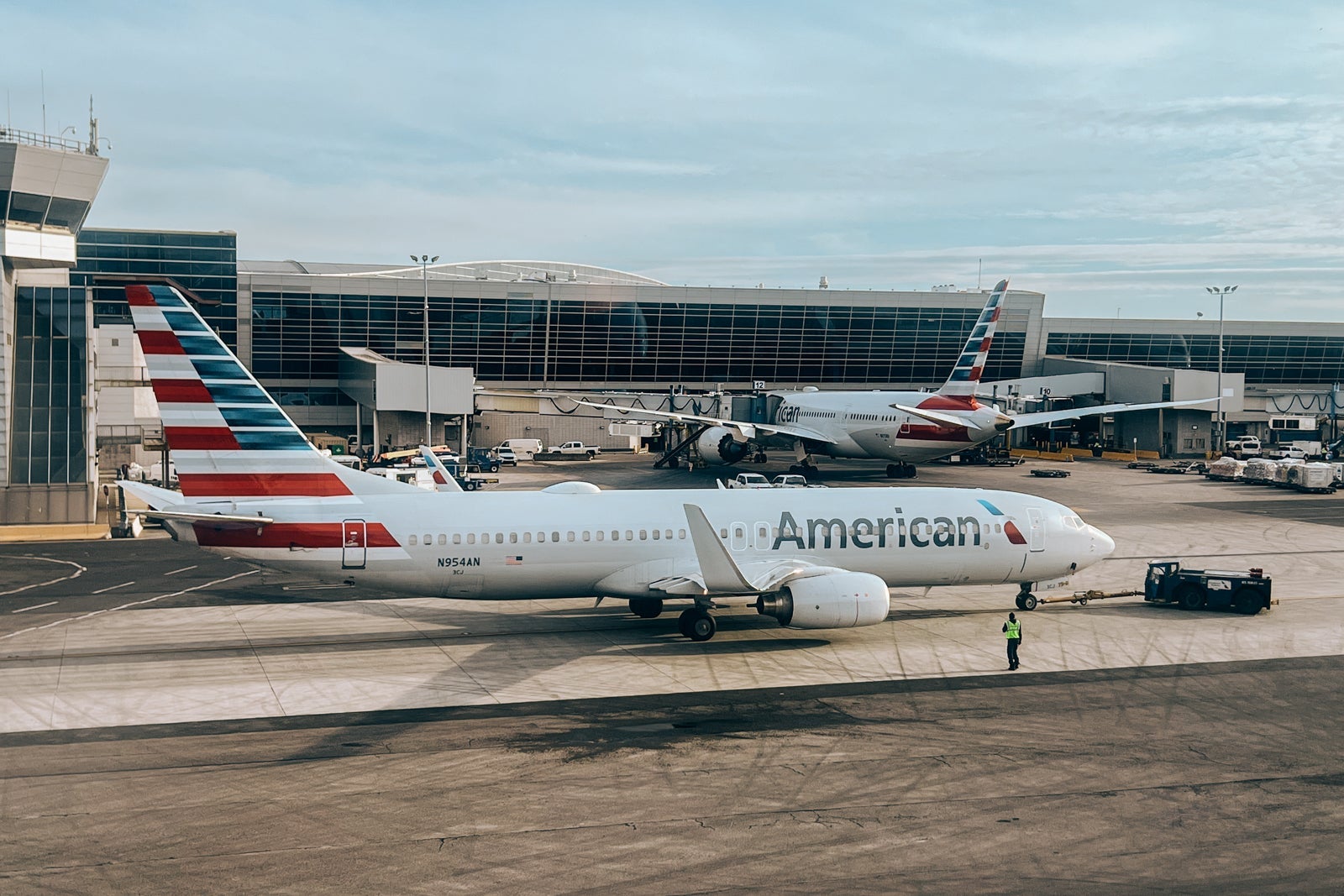
With most basic fares, you won’t be able to make changes to your ticket (such as a same-day flight change).
Unlike a regular ticket, you will also not be able to cancel the ticket and get a trip credit … at least not without some kind of fee. For example, both American Airlines and Delta Air Lines will charge you a fee of between $99 and $199 to cancel a basic ticket, which will come out of any trip credit you receive.
This makes booking with basic fares a risky proposition if anything changes in your life or travel plans.
No choice of seats without a fee
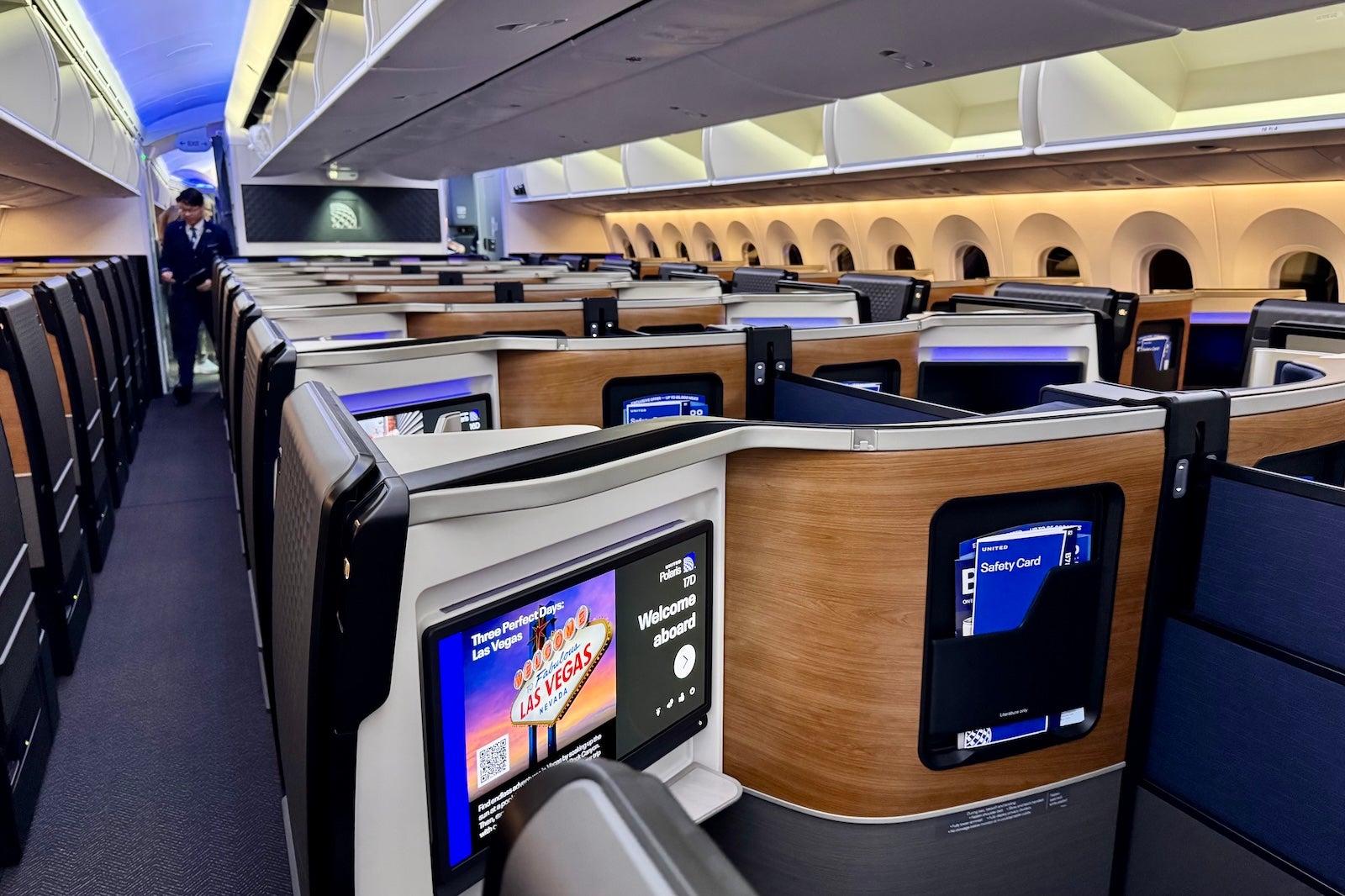
You won’t be able to choose a seat with the most basic fares. United Airlines has taken it one step further with its plans for the new basic business-class fares, which they call Polaris Base. That means even if you are spending thousands of dollars for business class, you won’t be able to choose a seat unless you pay an additional upcharge.
In coach, you are likely to end up in a middle seat or one right next to the bathroom.
Fewer miles or elite status credits (or none at all)
Airlines are cracking down on what you earn for flying basic fares, too. As previously mentioned, you no longer earn Loyalty Points or miles on basic economy fares on American Airlines. That’s also true of Delta Air Lines. Alaska Airlines, United Airlines and JetBlue Airlines do give you partial credit even on basic economy fares, but it’s substantially reduced.
On United, even if you are in business class, you won’t earn any miles or elite status credit at all unless you have Premier elite status or carry one of its cobranded credit cards.
This might not be important to you if you can find a cheap ticket, but for me, it’s a deal breaker.
Last to board
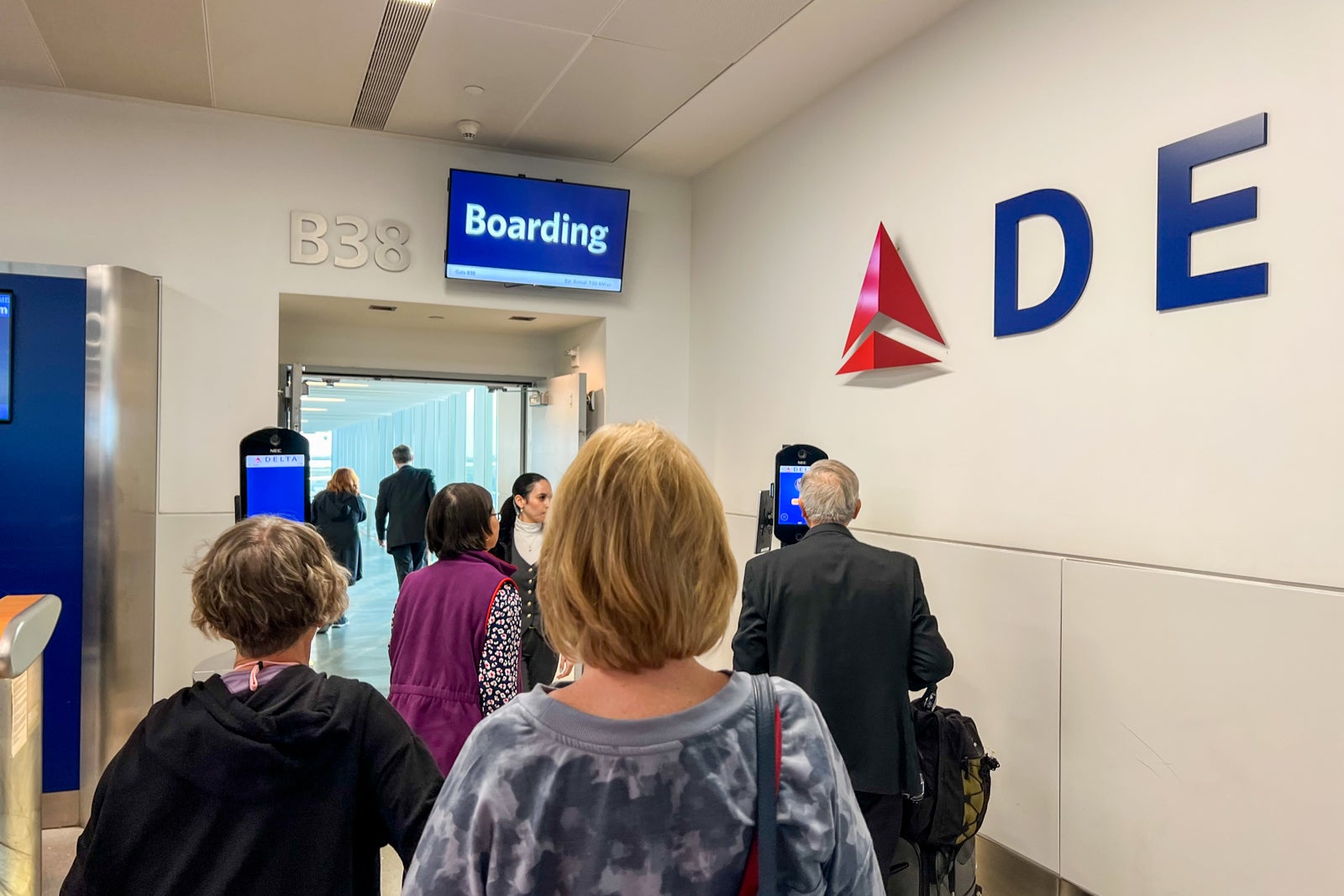
With most basic tickets, you will be in the very last boarding group. That means you could be forced to gate-check any large carry-on bags you brought, and it can also mean you have to pay for some bags (like on United).
No upgrades
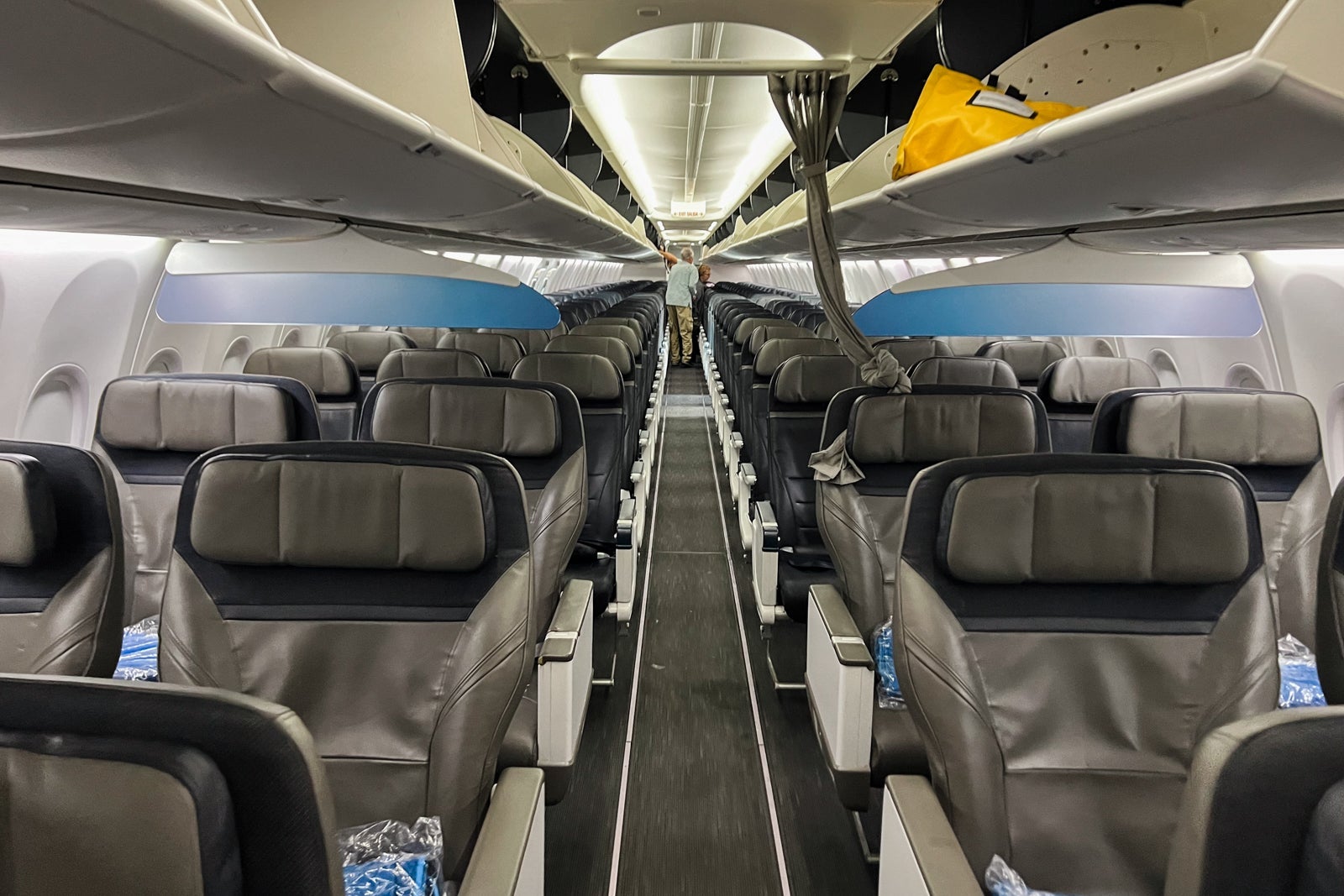
With most basic economy fares, you are ineligible for first-class or business-class upgrades. That can really bite if you are an elite member and there are seats up front left unsold.
Bad can become worse
Basic fare customers are also the lowest priority when things go wrong. So, if your flight is severely delayed, canceled or even just rescheduled, you are the last to get accommodated. This can spell the difference between getting home the same day and having to wait until the following day (or even days later).
It also means you are most likely to get bumped from a flight (though this is rare).
Bottom line
This is why I always say: “Don’t be basic.” You are not eligible for many of the perks of status, but worst of all, when things go wrong, they can go really wrong if you are in the lowest fare class.
As the price of nonbasic fares gets more and more expensive, basic fares can sometimes make sense. However, I would argue there are a few ground rules: Only book these restrictive fares if you don’t care about the perks, your plans are 100% locked in, you are traveling light, and you have some flexibility of a few days just in case something goes wrong. In other words, don’t book basic economy if you are positioning for a cruise and don’t have wiggle room on the dates.
Finally, make sure the savings are really worth your peace of mind.
Related reading:
Disclaimer : This story is auto aggregated by a computer programme and has not been created or edited by DOWNTHENEWS. Publisher: thepointsguy.com