DoorDash is spending $17 billion to acquire Instacart. But until the deal closes, its employees aren’t even allowed to connect with their future colleagues on LinkedIn.
If an Instacart employee reaches out, DoorDash has a script ready: “Congrats! Looking forward to connecting after the deal closes.” Anything beyond that, the company says, needs approval from its legal team.
The instructions come from an internal Q&A that DoorDash filed with the SEC on Oct. 29, the day the deal was announced. Employees should not send new LinkedIn connection requests to Instacart workers or accept requests from them, “even if you have a prior relationship.” Throughout the document, the company repeats that the two businesses must keep operating independently until the deal closes.
That could take a while. DoorDash expects the acquisition to close at the end of 2027 or in the first half of 2028, subject to Instacart shareholder approval and antitrust reviews in the U.S., Canada, and Israel. That could leave the LinkedIn freeze in place for up to 20 months.
The stakes are high for DoorDash, a Fortune 500 company that reported $13.7 billion in revenue last year. At $17 billion, the Instacart deal costs more than a full year of its sales.
The restriction reflects legal requirements designed to prevent what antitrust lawyers call “gun-jumping,” when companies begin improperly coordinating their operations before a merger officially closes. The Federal Trade Commission has warned that merging companies must safeguard competitively sensitive information, including pricing, costs, and business strategies, until a deal closes.
Sharing that information or coordinating prices too early could violate antitrust laws, reduce competition, and potentially raise prices for consumers before regulators even approve the deal. Even without gun-jumping, regulators can still block a merger.
In 2024, a federal judge blocked Kroger’s $24.6 billion acquisition of Albertsons after the FTC argued the deal would raise grocery prices. The judge sided with the FTC on competition for shoppers but rejected its argument about competition for workers. The companies abandoned the deal.
A LinkedIn ban is rare, even in M&A
Restricting contact between employees of merging companies is not unprecedented. In 2018, defense contractor SAIC instructed employees not to contact workers at Engility, which it was acquiring, without clearance or coordination through its integration team. Employees already working together could continue.
But several mergers-and-acquisitions experts told Business Insider they had never encountered a restriction specifically barring LinkedIn connections during a pending merger.
LinkedIn, which says it has more than 1.4 billion members, makes it easier than ever to see who does what and where.
For employees facing a merger, those connections may matter more. A deal raises uncomfortable questions, from who they’ll report to to whether their jobs will survive. A review of 190 publications on mergers and acquisitions found that merger announcements can trigger anxiety and prompt employees to seek information.
Building relationships with the acquiring company can also help employees prepare for what comes next. A Morgan Stanley at Work article featuring executive Kate Winget encourages employees to reach out to people they already know at the acquiring company, when appropriate and approved by management.
Why lawyers worry about poaching and org-chart mapping
What may look like networking to employees can look like a competitive risk to their employers.
Chris Selland, a lecturer at Northeastern University, previously told Business Insider that conversations between employees could lead one company to recruit workers from the other, potentially bringing valuable customer contacts. “That could blow up the whole agreement,” he warned.
Selland also told Fortune the restriction could protect the companies against “poaching and org-chart mapping in case the deal is ultimately blocked,” leaving them as competitors. The Q&A doesn’t stop DoorDash employees from applying for Instacart jobs, but anyone who does would apply “in the same manner as any other external applicant.”
Asked whether DoorDash is going too far, Selland described the policy as “less of a heavy-handed ban and more of a clearly-worded guardrail” intended to keep employees from inadvertently crossing contractual lines. He said conversations about job openings, compensation, or shared accounts could create problems.
Still, “a LinkedIn connection likely won’t blow up a deal on its own,” Selland said.
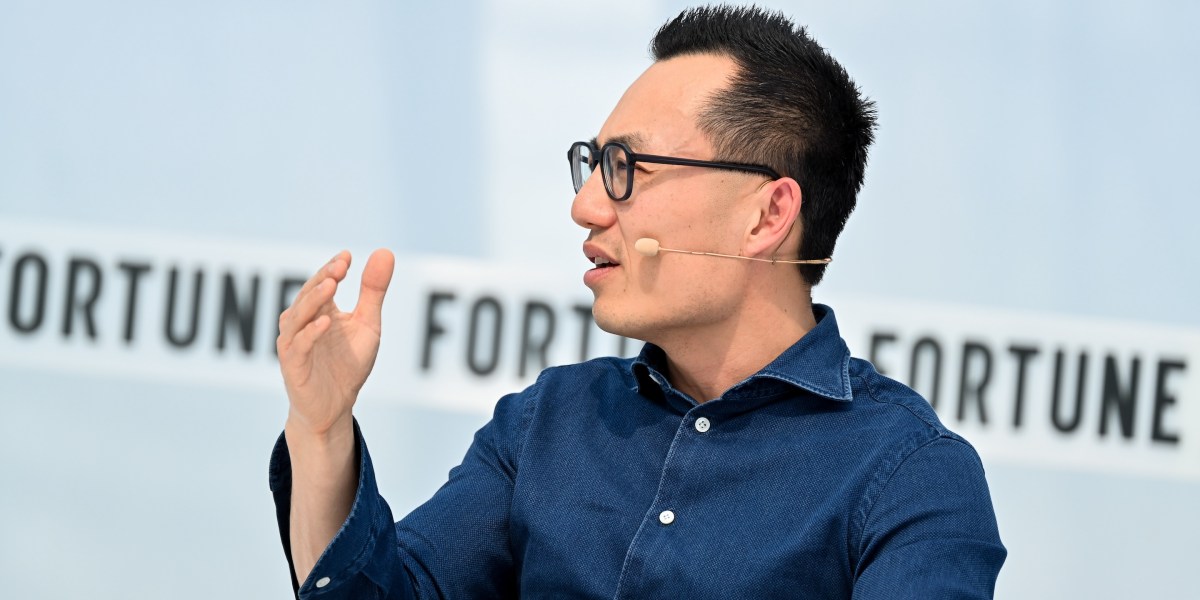
The harder work comes after closing. DoorDash CEO Tony Xu, who has absorbed acquisitions including Finland’s Wolt, put it plainly at Fortune Brainstorm Tech last year: “M&A is very easy to get right on a sheet of paper; it’s very hard to get right in practice.”
Disclaimer : This story is auto aggregated by a computer programme and has not been created or edited by DOWNTHENEWS. Publisher: fortune.com