
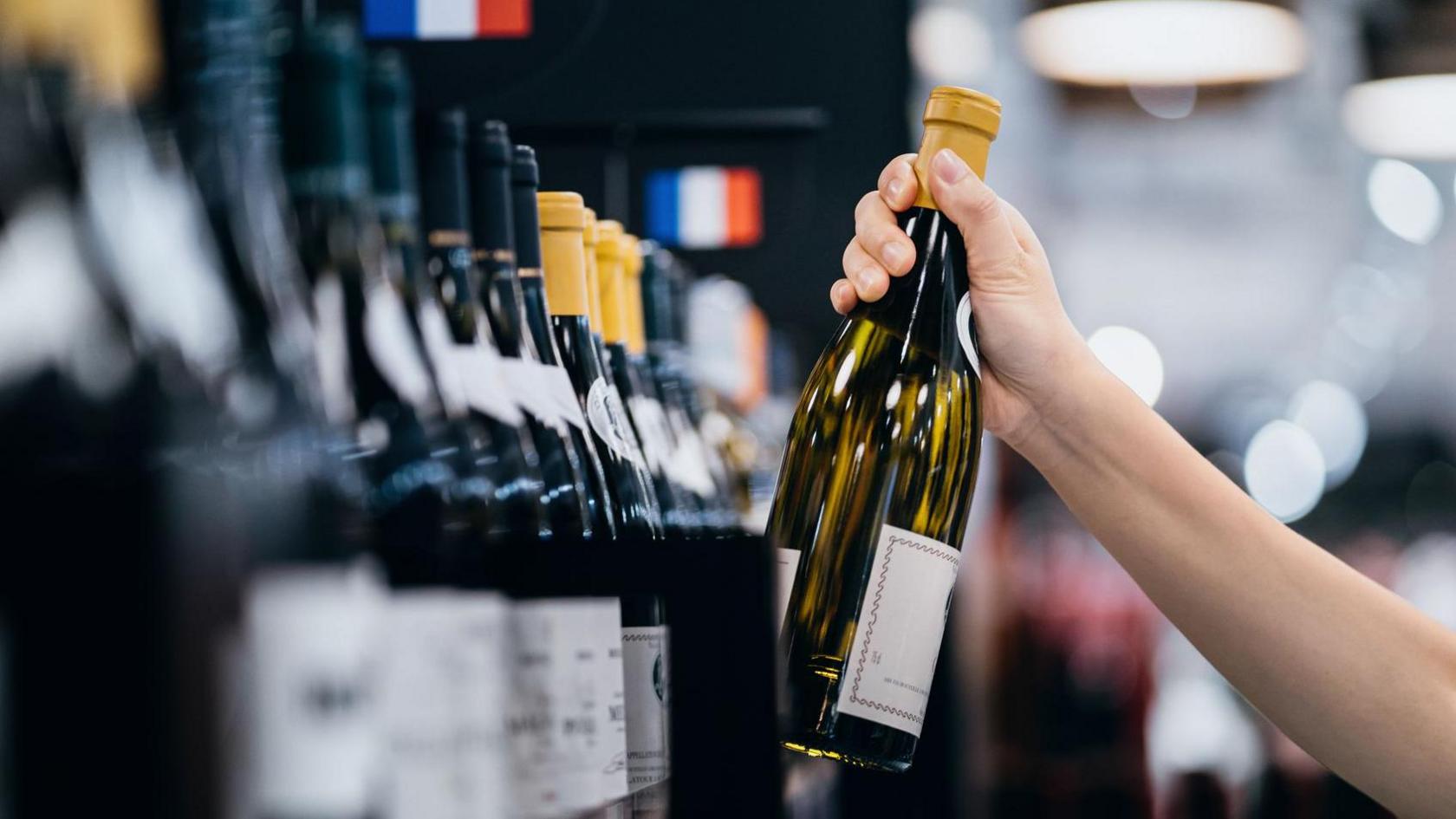
Drinks could go up in price by 50p under new return scheme, industry says
-
Published
Shoppers in Wales could face higher drink prices and reduced choice under a new recycling scheme, industry leaders say.
The British Soft Drinks Association (BSDA) said proposals to include glass in Wales’ deposit return scheme could add around 50p to the cost of some bottles.
Drinks producer Radnor Hills said plans for the scheme – which will see consumers being offered cash or vouchers for returning empty drinks bottles and cans – were a “complete and utter mess”.
The Welsh government said it remained committed to introducing a deposit return scheme, while the charity Keep Wales Tidy criticised “misinformation” about the plans.
Wales’ deposit return scheme (DRS), which is due to come into force on 1 October 2027, will see shoppers pay a deposit on drinks containers which is then refunded when they are returned for recycling.
But the industry said the Welsh government’s inclusion of glass, unlike schemes launching in other parts of the UK, risked driving up costs.
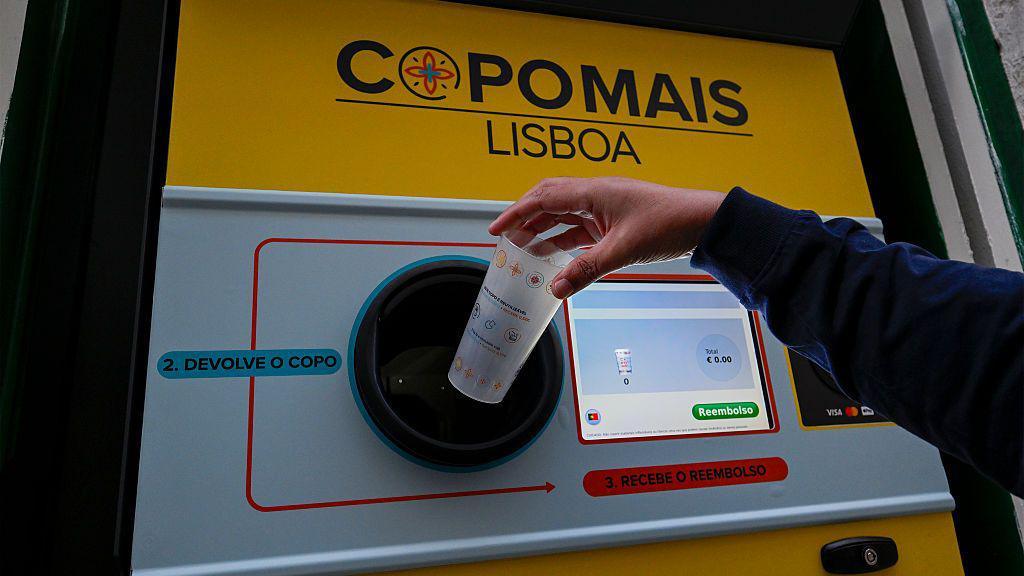 Image source, Getty Images
Glass is seen as the main sticking point because including it makes the scheme significantly more complex and expensive, requiring dedicated collection infrastructure and more costly reverse vending machines.
Schemes elsewhere in the UK are launching without glass to keep costs down and simplify cross-border systems.
Drinks industry representatives said they had warned the Welsh government that companies were likely to pass the additional costs on to shoppers or withdraw products from sale altogether.
Andy Bagnall, director general of the BSDA, said requiring glass collection from the start would have “very negative consequences for businesses and consumers” and said it could add “something like 50p per bottle” in costs for producers.
“Higher prices or lower choice, neither of those is a good outcome for consumers,” he added.
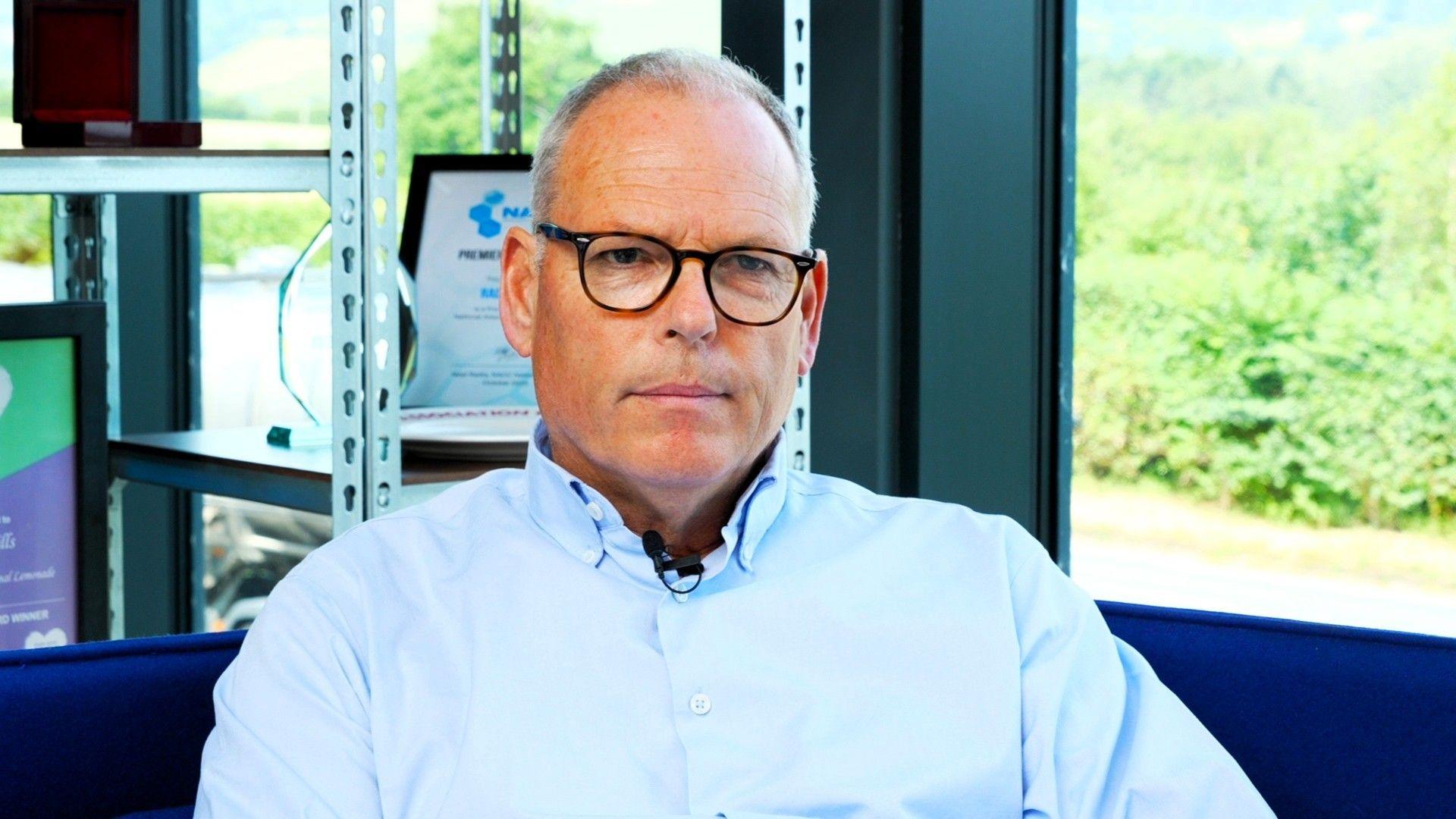
William Watkins, chief executive of Radnor Hills, described the current situation in Wales as a “complete and utter mess”, warning that differences between systems on either side of the England–Wales border would create major difficulties for producers.
“We have to have a system which is the same on both sides of the border,” he said.
Watkins warned that Wales accounted for a small share of the wider UK drinks market, meaning some companies could decide it was “simply not worth” supplying certain products.
Ahead of the Senedd election, Plaid Cymru’s manifesto said it would press ahead with “including glass when this becomes practically feasible” in the deposit return scheme.
Watkins said he had hoped for “a complete change in direction” but claimed that the “realities of coming into power and coming up against some very entrenched views” in the civil service had meant the new government was continuing the previous administration’s agenda.
BBC Wales asked the new Plaid Cymru minister responsible, Llyr Gruffydd, for an interview but he declined.
Both the BSDA and drinks firms said ministers faced a tight deadline to act, warning there were only “weeks” left to appoint a deposit management organisation (DMO) if Wales is to launch a scheme alongside the rest of the UK by 1 October 2027.
Only one organisation, Exchange for Change, is known to have applied to be the DMO in Wales. It is already contracted to run the schemes in England, Scotland and Northern Ireland.
The window for applications closed on 2 June but no decision has yet been made.
While the Welsh government is understood to require 3,500 reverse vending machines to handle glass at the outset of the DRS scheme in Wales, the proposal from Exchange for Change is to launch with 100 suitable machines around the country. Those with knowledge of the discussions said this was a key sticking point.
Bagnall said there was now “no time left” to design a separate Welsh system from scratch, which is the fall-back option within the regulations if a DMO cannot be appointed.
“We need decisions in the next few weeks if we’re to have any realistic chance of getting a scheme up and running by October 2027,” he said.
Owen Derbyshire from Keep Wales Tidy urged the new Welsh government to press ahead with the plans, and accused the drinks industry of “misinformation”.
“The reality is, if you look at any deposit return scheme as it’s being rolled out in all of the 40-plus nations that it’s currently running in, it’s the same arguments that come every single time from the [drinks] industry.
“And the truth is, when they’re established, when they’re set up, when they’re running, none of those stories, those accusations, ever come to light,” he said.
Derbyshire said the lobbying effort was “misinformation [and] disinformation, which absolutely doesn’t survive contact with any of the international evidence we’ve seen”.
A Welsh government spokesperson said it would “continue to work closely with industry to ensure the arrangements are right”.
“There is a formal process underway to appoint a Deposit Management Organisation.
“It is inaccurate to suggest there has been a delay, and it would be inappropriate to pre-judge the outcome of the ongoing formal process.”
More stories
-
-
Published7 hours ago

-
-
-
Published16 hours ago

-
-
-
Published16 hours ago

-
Disclaimer : This story is auto aggregated by a computer programme and has not been created or edited by DOWNTHENEWS. Publisher: newsrss.bbc.co.uk



