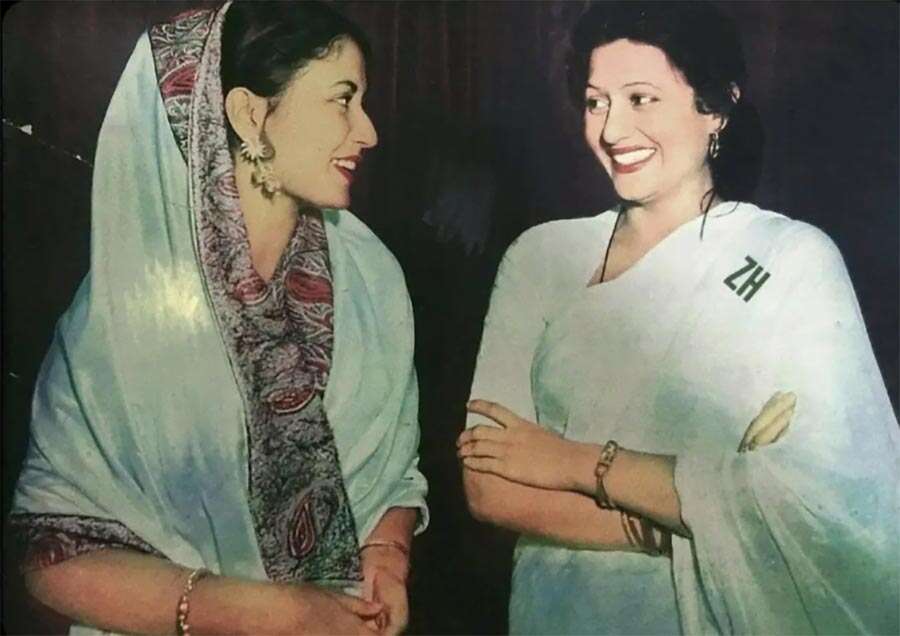
Filmfare’s Editor-in-Chief Jitesh Pillaai takes a closer look at the lives behind the legends of Madhubala and Meena Kumari, tracing the striking parallels between two of Indian cinema’s most enduring icons.
From childhood stardom and family pressures to love, heartbreak, exploitation and illness, Jitesh Pillaai revisits the women beyond the glamour and the mythology, and asks what might have been different with a little more empathy and understanding.
In his words:
The biggest star in the world doesn’t live in Beverly Hills, claimed one Hollywood magazine about Madhubala. Meena Kumari, meanwhile, was celebrated as the biggest Filmfare Award winner of her time. Why did two of the greatest actors ever to grace the Indian screen have to endure heartbreak, financial losses and disrespect? What makes women surrender to patriarchy? Can love really make you so defenceless? Why did two of cinema’s biggest female icons succumb to gaslighting and aggression?
They came with remarkably similar destinies. Born around the same time, in 1933, Mumtaz Jehan (Madhubala) and Mehjabeen (Meena Kumari) went on to rule the screen for over two decades. Their trajectories and heartbreaks are uncanny.
Madhubala and Meena Kumari, both child stars, were ruled by wilful fathers, becoming the meal tickets for their families. Both fell for men who followed a similar pattern, perhaps looking for strong father figures, and both were ultimately felled by illness at around the same age.
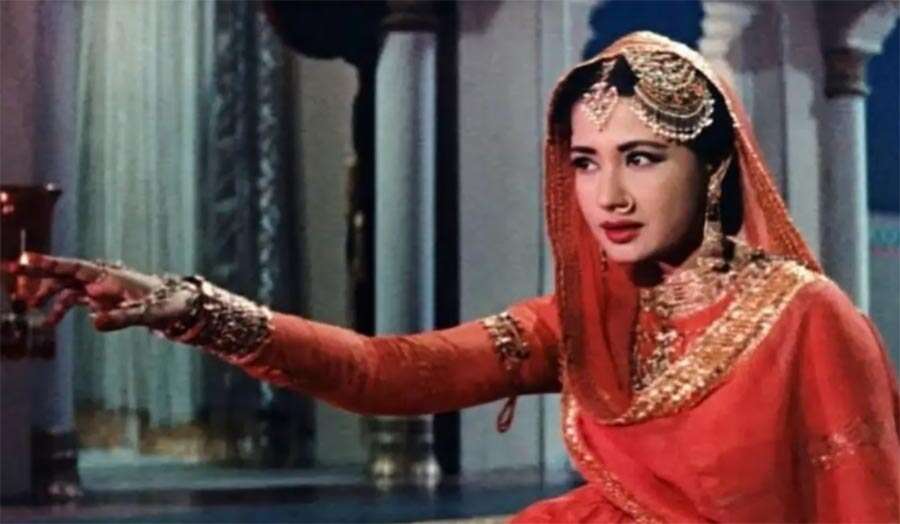
Meena Kumari was months short of her 39th birthday when she died in 1972. Madhubala was 36 when she died in 1969. Child stars, as we have seen in the cases of Meena Kumari and Madhubala, were often governed by self-serving parents.
We see similar patterns in the lives of Daisy Irani, Sarika, Neetu Singh and even Rekha. Poverty is often an underlying fault line, coupled with a lack of understanding and care from primary caregivers.
Children who grow up too soon in an atmosphere of deprivation and lovelessness create a parallel universe for themselves. They are exposed to adult behaviour and forced into precocious flights of fancy. The result can be a fragile sense of self, depression and, sometimes, destructive behaviour.
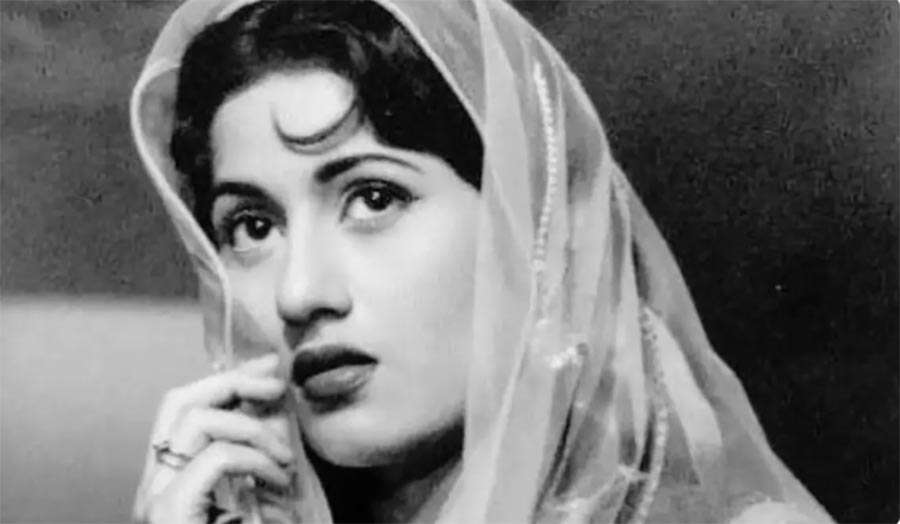
Let me hazard a guess. After years of abuse as a child star and then as an adult, Meena Kumari probably looked for a father figure. The Urdu-speaking dialogue writer and director of Mahal, Kamaal Amrohi, made a deep impression on the 19-year-old. By 20, she had married him clandestinely. At that age, she was already pretty much worn out by a cussed industry.
Madhubala, ruled by an autocratic father from childhood, was chafing at the corners when she fell hook, line and sinker for her Tarana co-star, the ten-years-older Dilip Kumar. Both women, seeking refuge from autocratic fathers and what one can only hazard was a dysfunctional family atmosphere, looked for a release.
Amrohi, who fancied himself as a man of letters, had made Mahal and Daera before embarking on his magnum opus, Pakeezah. Meena Kumari, lost in a world of images, self-pity and heady success, probably realised that she had once again become the proverbial golden goose, this time for her husband and his secretary, Baqar.
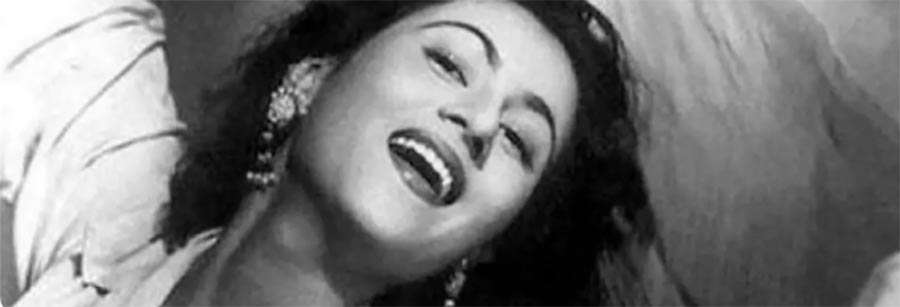
Severe restrictions were imposed on her: she could not travel in her own car, have visitors in her make-up room or return home after 6 pm. The free-spirited Meena Kumari inevitably rebelled. The egoistic Amrohi has, on many occasions, expressed disdain for Meena’s literary attempts and derided her life after their separation, yet he made sure she completed his magnum opus, Pakeezah.
Ditto for Madhubala. Despite being the Venus of the Indian screen, an autocratic father insisted that she return home by 6 pm. There were to be no night shoots, no outdoor schedules and no visitors on the sets. While she went along with Ataullah Khan’s well-engineered plans, love hit hard in the form of Dilip Kumar. And so began the inevitable tussle between parental opposition and love.
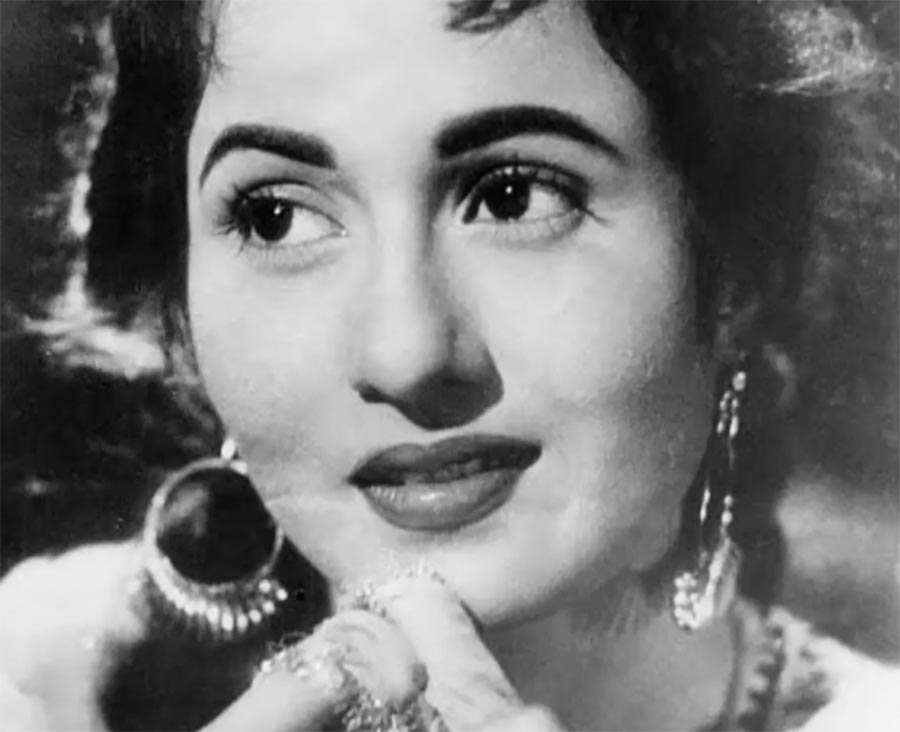
While Meena struggled under a tyrannical husband who loathed the Bimal Roys and Guru Dutts of the world, Madhubala had to work in substandard films to keep the wolf from the door. Apart from Mr and Mrs 55, Barsaat Ki Raat, Chalti Ka Naam Gaadi and Phagun, there was little of note during this phase.
Meena probably realised that her marriage to Amrohi was a mistake and that her illusions of love had been shattered within a year or two. She nevertheless remained in the marriage for 11 years before walking out for good, not before going to the police and complaining that she had reason to believe her life was under threat.
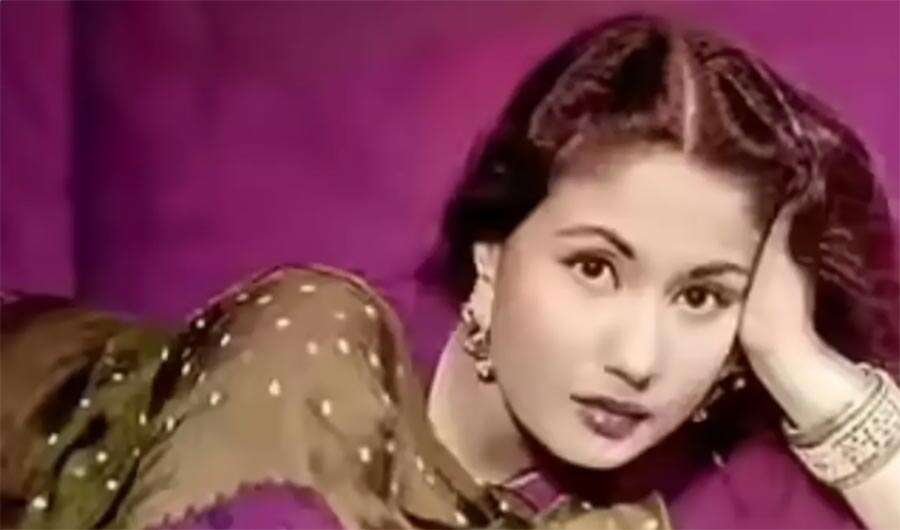
Despite the Kamaal Amrohi connection, Madhubala and Meena Kumari remained cordial towards each other. Madhubala called Meena after seeing her double role in Sharada. And when a seriously ill Meena Kumari heard that Madhubala was dying, she left her sickbed to visit her.
Madhubala was in no better position when the cold war between her beau, Dilip Kumar, and her father escalated into a full-blown affair, culminating in the Naya Daur court case. It became a public humiliation, and the lovers parted ways forever.
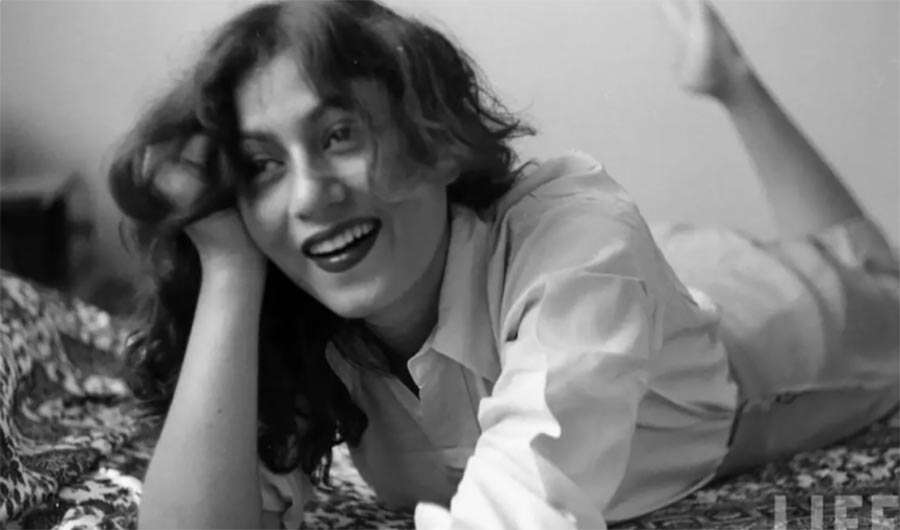
Pakeezah came unstuck, as did Mughal-e-Azam. The fates of both films hung in the balance. Pakeezah was stalled for years because of the husband-wife separation, while Mughal-e-Azam was delayed by the lovers’ tiff, among other mounting expenses.
Meena Kumari eventually walked out of Amrohi’s Rembrandt House and sought refuge in alcohol and a string of relationships, including those with Dharmendra and Sawan Kumar Tak, as well as an unknown Rahul. Madhubala hastily married the ill-matched genius Kishore Kumar. Both decisions proved costly.
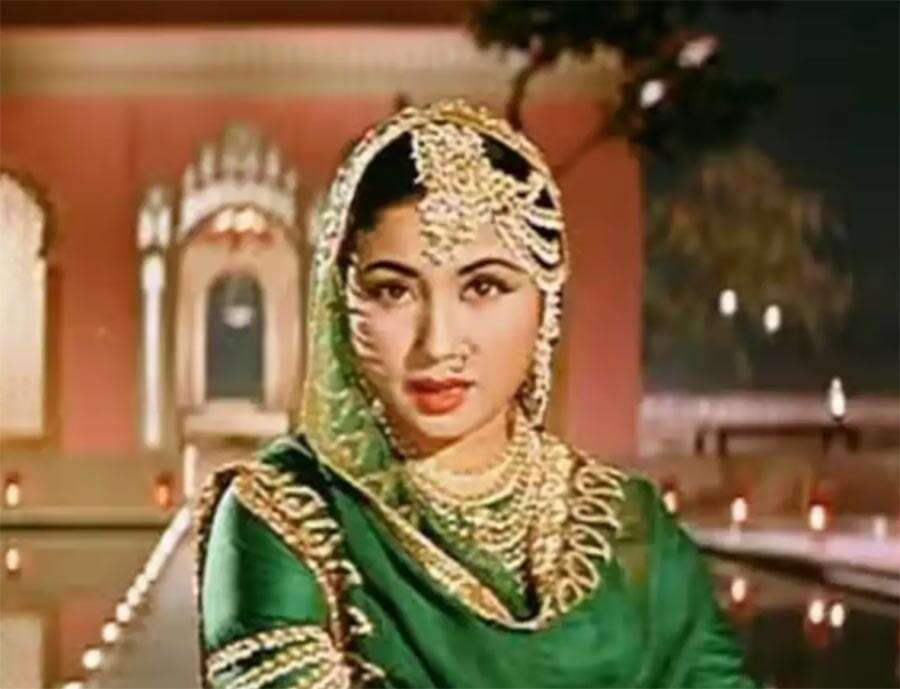
Kishore Kumar took Madhubala abroad to explore whether heart surgery was possible, but they returned after it was ruled out. He eventually left her at her father’s home. He went on to marry several more times.
Still in full bloom, Madhubala was bedridden for nine years after Mughal-e-Azam. Dilip Kumar found marital happiness with the 20-years-younger Saira Banu.
After a temporary truce, Pakeezah resumed production, taking a massive toll on Meena Kumari’s health. Similarly, Mughal-e-Azam took a heavy toll on Madhubala’s already fragile heart. Madhubala, as was her wont, never made it to the premiere, which was a major public event. Meena Kumari made it to her big night and died two weeks later.
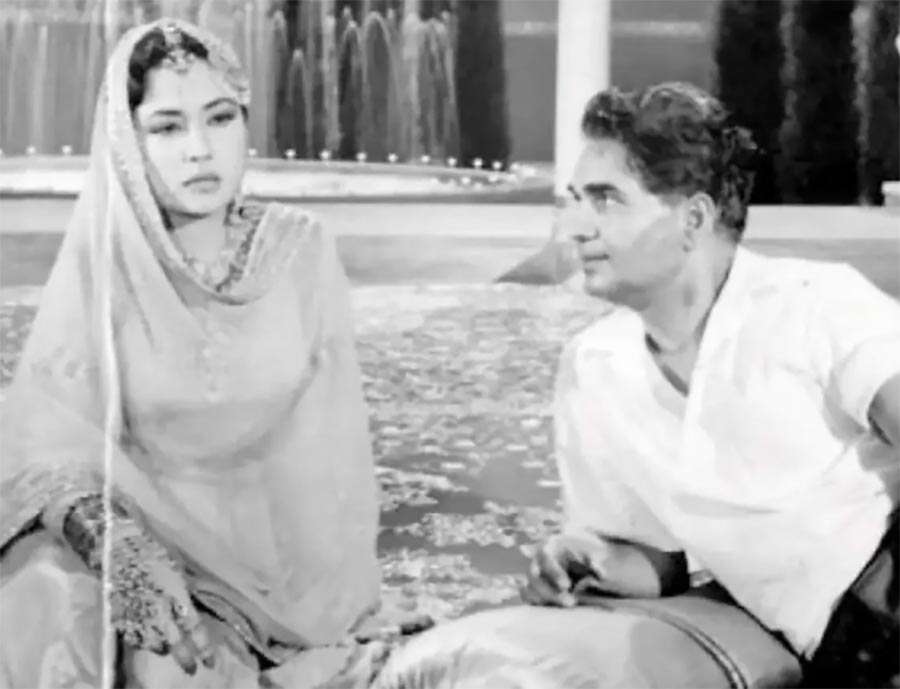
Meena Kumari made 55 films while married to Amrohi, earning around Rs 2 lakh per film, yet she was reportedly given a meagre monthly stipend. When she rebelled, it was met with physical abuse, a fact testified to by colleagues including Nargis and Pradeep Kumar. Lost in a blur of alcohol and hangers-on, she died with no one to clear her hospital bill of Rs 3,500 at the Elizabeth Hospital.
Years later, Kamaal Amrohi Studios, according to a newspaper report, was sold for around Rs 210 crore. The money was shared equally by her step-siblings. The irony is hard to miss.

Madhubala died in similarly straitened circumstances. Her father had invested in several film productions that failed. Vague rumours circulated that people had seen her taking a taxi and the once-haughty Ataullah Khan waiting in a bus queue. There was also talk of physical abuse at the hands of her lover, husband and father.
Remember, these were powerful women who were feted by presidents and prime ministers. A besotted Zulfikar Ali Bhutto was reportedly a regular visitor to the Mughal-e-Azam sets.
Meena Kumari was felled by cirrhosis of the liver. Madhubala succumbed to a weak heart. Did patriarchy and an insular mindset hasten their decline?
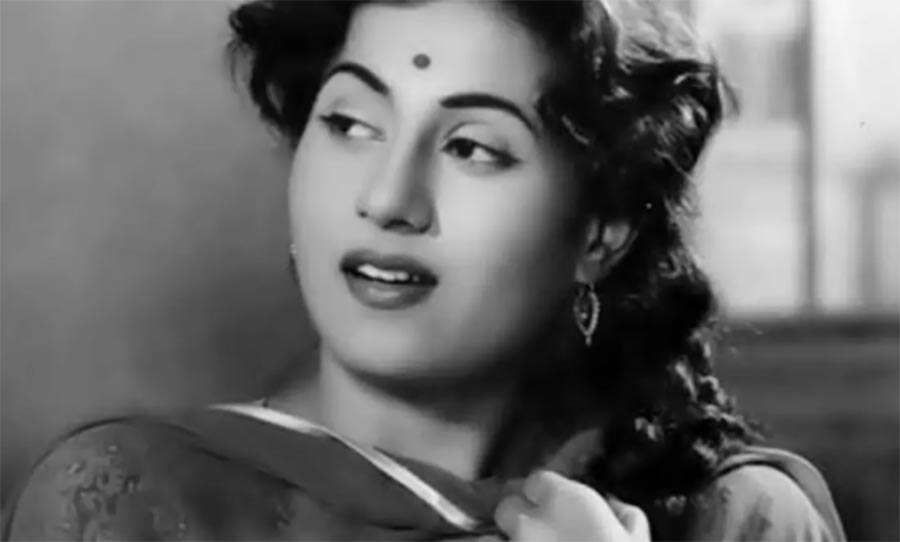
As images of Mohe panghat and Thade rahiyo continue to embellish these queens in our memories, we cannot help but wonder, regretfully, what a little empathy, understanding and concern from the men who shaped their lives might have changed.
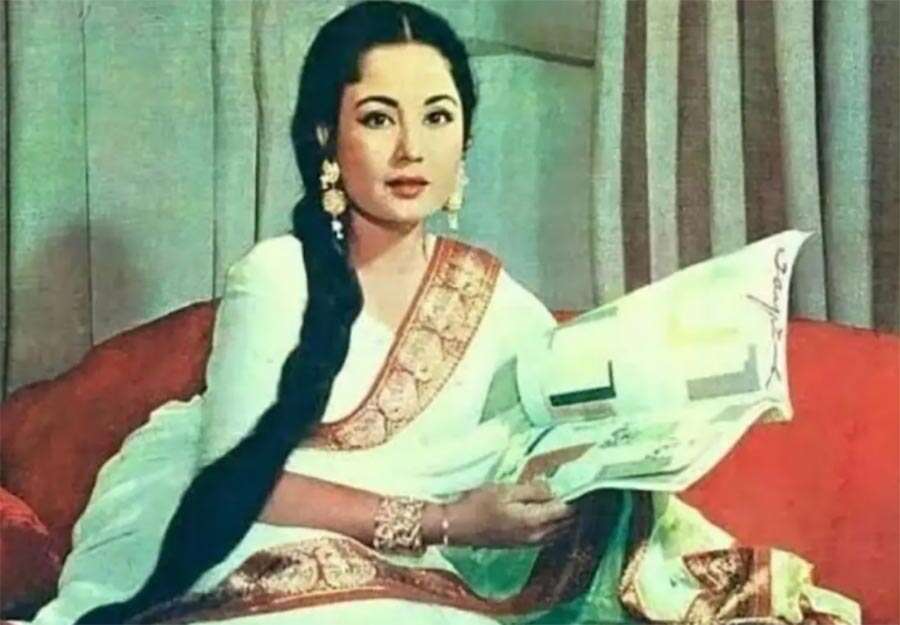
As I write this, two commissioned series on Madhubala and Meena Kumari have got off the ground. Will we get an edgy biopic warts and all, or will it be yet again the same fuzzy, time-worn clichés about the Venus of India and “Chhoti amma” being trotted out? Your guess is as good as mine.
Disclaimer : This story is auto aggregated by a computer programme and has not been created or edited by DOWNTHENEWS. Publisher: filmfare.com