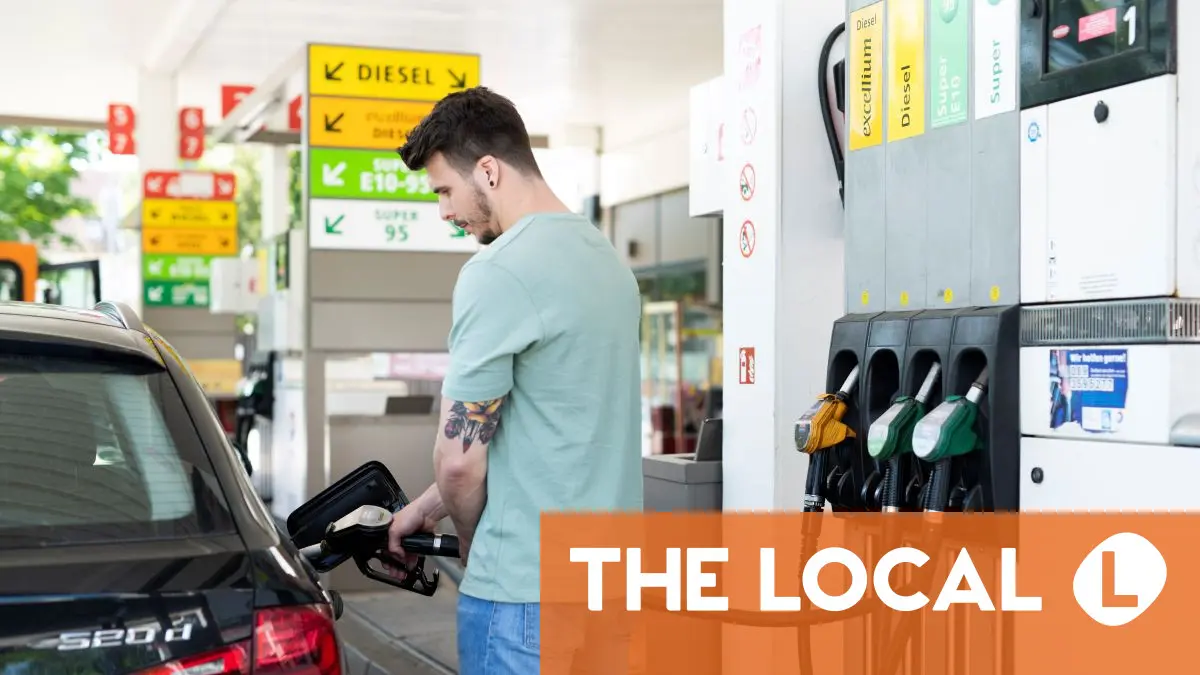
Since the outbreak of war in the Middle East fuel costs have soared with the price of just about everything else expected to follow. Here are the articles to read to understand which costs are rising in Germany, how to save and what’s being done.
International news has been keenly focused on Iran, and more specifically on the Strait of Hormuz, for weeks.
The strait, through which around 20 percent of the world’s crude oil supply flows, has become a geopolitical flash point since the United States and Israel launched a military operation against Iran.
Iran responded by stopping shipping traffic through the strait, effectively blocking a significant part of the world’s energy until attacks on the country cease and a peace agreement is reached.
Germany has watched all of this unfold from the side-lines, allowing the US use its military bases in the country, but drawing the line at getting directly involved in the conflict.
But its lack of direct involvement in the fighting does not mean Germany is shielded from the fast developing economic consequences of disruption of the global energy supply chain.
Oil prices spiked immediately at the start of the war on February 28th, and the cost of diesel and petrol have since remained high. Economists have warned that more widespread knock-on effects are still to come.
With fuel price shocks and proposed counter-measures developing quickly, here are The Local’s essential articles for understanding how the fuel crisis is affecting life in Germany:
Which costs are rising?
When global crude oil prices spike, fuel prices are quick to follow. This has been especially dramatic in Germany, which saw energy prices sky-rocket even more than other countries in Europe.
Beyond fuel, rising production and transport costs ultimately drive up prices for other consumer goods including groceries, but with a considerable delay.
The first signs of the higher prices to come have just begun to be seen in Germany. Overall inflation was up in March and household gas prices for new customers have surged to their highest level in three years.
How to save
As costs rise, or even threaten to rise, people naturally look for ways to keep their own costs under control.
With price increases so far being seen primarily at the gas pump, some of the best ways to reduce daily costs are by using less fuel.
For example, drivers might try to reduce the number of trips they make in a car. Or, when driving is a must, can try to refuel strategically and also maximise fuel-efficiency by driving a bit slower and keeping tyres properly inflated.
Some of our older articles are still relevant here, including: this look at apps that help drivers find the cheapest fuel, these tips for reducing your home heating costs and this explainer on saving at the grocery store.
Also worth noting, the sale of electric cars in Germany has ramped up, driven partially by fuel price concerns and partially by new buyer’s incentives. If you’re in the market for a new vehicle, we rounded up the cheapest EVs to buy in Germany right now, HERE.
What about travel?
The cost of travel, and air travel in particular, can be expected to rise significantly.
Beyond rising costs, there are very real concerns that flights in Europe could be seriously disrupted by jet fuel shortages.
The airports lobby ACI Europe has also warned of a risk of “systemic” jet fuel shortages as early as the end of April.
A spokesperson for Ryanair recently told The Local that the company’s fuel supply was guaranteed “to mid-end May.” And a spokesperson for Lufthansa Group said they had plans to reduce flight capacity by 2.5 to five percent if the crisis continues.
How is the German government reacting?
German lawmakers’ first attempt at meeting the moment was aimed at keeping fuel prices down by limiting petrol stations to raising prices just once per day. That measure failed to keep prices from climbing with diesel prices hitting all time highs in the days that followed the rule taking effect.
Now the federal coalition has put forward a plan to cut fuel taxes and enable employers to offer tax-free bonuses.
The measures may be heavily debated in the Bundestag, but seem likely to be passed relatively quickly to ensure that they can take effect from May 1st, with the fuel tax cuts then set to remain until the end of June.
Some economics and labour experts have criticised that the measures will not amount to savings for a large number of people in Germany.
Employers’ groups have raised concerns that the tax-free bonus scheme merely shifts the responsibility for relief onto companies that are already struggling. Meanwhile opposition party leaders have called for more widespread relief for the population, suggesting measures like more money for public transport.
Disclaimer : This story is auto aggregated by a computer programme and has not been created or edited by DOWNTHENEWS. Publisher: thelocal.de