Costume designer Neha R Bajaj has worked on projects such as The Family Man and Guns & Gulaabs, where clothing plays a key role in making characters and their worlds feel authentic. With Geetu Mohandas’ Toxic: A Fairy Tale for Grown-Ups, she moved into a very different visual space, helping create a stylised underworld spanning several decades, from late-1940s Goa to 1960s Macau and 1970s Goa. The film, starring Yash alongside Kiara Advani, Nayanthara, Huma Qureshi, Tara Sutaria and Rukmini Vasanth, gave Bajaj the challenge of building distinct visual identities for a large ensemble, with costumes that reflected each character’s personality, power and place in this world.
For her, the work began with a three-word brief from Mohandas: “gangster world, badass women, circus.” From there, she developed wardrobes that ranged from Nadia’s elaborate circus costumes to Elizabeth’s theatrical ensembles and Ganga’s power dressing, drawing on period research, vintage pieces and references to women who wielded power in male-dominated criminal worlds. In this conversation, Bajaj discusses the thinking behind the film’s costumes, the scale of dressing hundreds of performers across different periods and locations, and why she hopes Toxic will challenge the tendency to associate costume designers with a single aesthetic.
Now that it’s been some time since Toxic’s release and you can finally watch the whole film together, what is the first thing you notice about your own work?
I’m proud of the visual world we created for the film. It’s incredibly stylised, heavily textured and rich in detail. What I particularly love is the way costume and production design have come together within each frame, masterfully composed by Rajeev Ravi, the cinematographer. The costumes were never meant to exist in isolation. They had to belong to the architecture, the colour palette, the characters and the period. And when all those elements come together in a frame, that’s when you really see the world we were trying to build.
What brief did you get from Geetu Mohandas?
I met Geetu for the first time on a Zoom call in 2023. At that point, though, Toxic felt almost like a NASA project. Everything was top secret! She gave me three words: “gangster world, badass women, circus.” That was it. I had to let my imagination fill in the gaps, and fortunately, it did. Geetu was very clear that she wanted an extremely stylised visual language. We looked at the palettes and silhouettes of cult films and worlds such as Peaky Blinders, Fallen Angels and Once Upon a Time in America. But the references were always a starting point. The characters eventually had to develop their own visual identities.
Nadia (Kiara Advani) was elaborate and glamorous within the circus, but ethereal outside her performances. Elizabeth (Huma Qureshi) was theatrical. She had to command attention the moment she entered a frame. Melissa (Rukmini Vasanth) had a quiet luxury to her. Ganga (Nayanthara) leaned towards power dressing.
And then there were the men. Salvador (Darrell D’Silva), the king of this mafia world, had tremendous swagger in his vintage three-piece suits, jewellery and tinted glasses. Tony (Akshay Oberoi) had a flamboyance that echoed his sister Elizabeth. Karmadi (Sudev Nair) had a style defined by utility and attitude. Every character had to feel as though they had a life before we met them.
For a film with this many looks and so many characters, where does the costume process actually begin? Do you start with references, fabrics, sketches or the actors themselves?
It begins with psychology. Before we touch a fabric, I want to understand who the character is. With such a powerful female cast, it was particularly important that there were no overlaps or repetitive visual identities. We had to understand, for instance, how a circus performer like Nadia would dress while performing extraordinary, edgy acts, as opposed to a woman like Ganga, who has had to go to extraordinary lengths to protect her brother and therefore carries herself with a much sharper, more commanding energy.
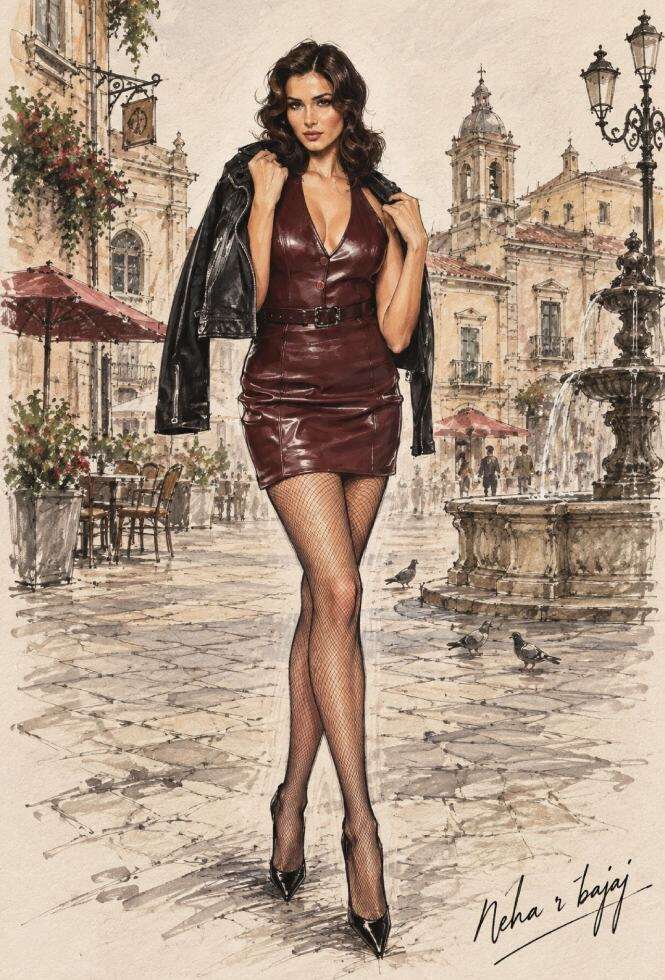
Rebecca was born into luxury and a foreign lineage, so she would naturally have access to beautiful objects from different parts of the world. We sourced a number of vintage pieces from London and incorporated them into her wardrobe. Once the mood boards and individual character worlds were established, casting happened, and we knew who would actually inhabit these clothes.
Fabrics came from across India, while accessories such as jewellery, heels, brooches, fedoras, cloches, fascinators and other period details were sourced from around the world.
Did you study any real-life characters or people while taking inspiration for the costumes in Toxic?
My research was rooted heavily in the silhouettes, cuts and fabrics of the 1950s, but I was equally interested in studying real women who existed within male-dominated criminal worlds. Women such as Stephanie St. Clair, famously known as the “Harlem Queen”, and Tilly Devine were fascinating references. These women were glamorous, powerful and completely unapologetic about their femininity.
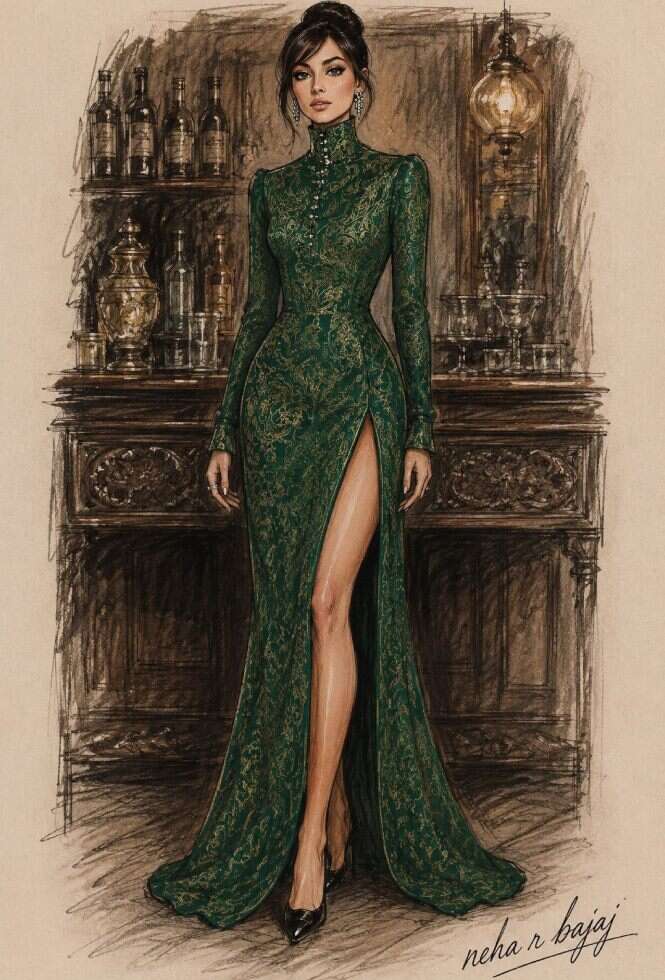
They didn’t necessarily start wearing trousers simply to fit into a male-dominated world. Their femininity itself became a kind of armour. That idea was very important to me while designing the women of Toxic. They weren’t trying to become men to occupy positions of power. They stood tall as women, entirely on their own terms. There was no “fitting in” for these women.
What were the challenges?
What made Toxic particularly challenging was the sheer scale of the background world. We had close to 200 people on set on a regular day who had to be dressed appropriately for the 1950s. Then there were enormous sequences, such as the jazz club, wedding, opium den, the 1970s Goa parade, Macau, the snow sequences and the police world, where anywhere between 500 and 700 junior artists had to be dressed according to the period and location. We moved from late-1940s Goa to 1960s Macau and then back to 1970s Goa.
At that scale, costume design becomes almost an exercise in world-building logistics. Every person in the background contributes to whether the audience believes the world or not.
Which costume in the film took the longest to get right?
Nadia’s circus wardrobe was probably one of the most intricate because it had to balance glamour, danger and performance. It couldn’t simply look like a set of beautiful costumes. They had to feel like something a circus performer could actually inhabit while performing physically demanding, edgy acts. The legendary Manish Malhotra designed and created those outfits.
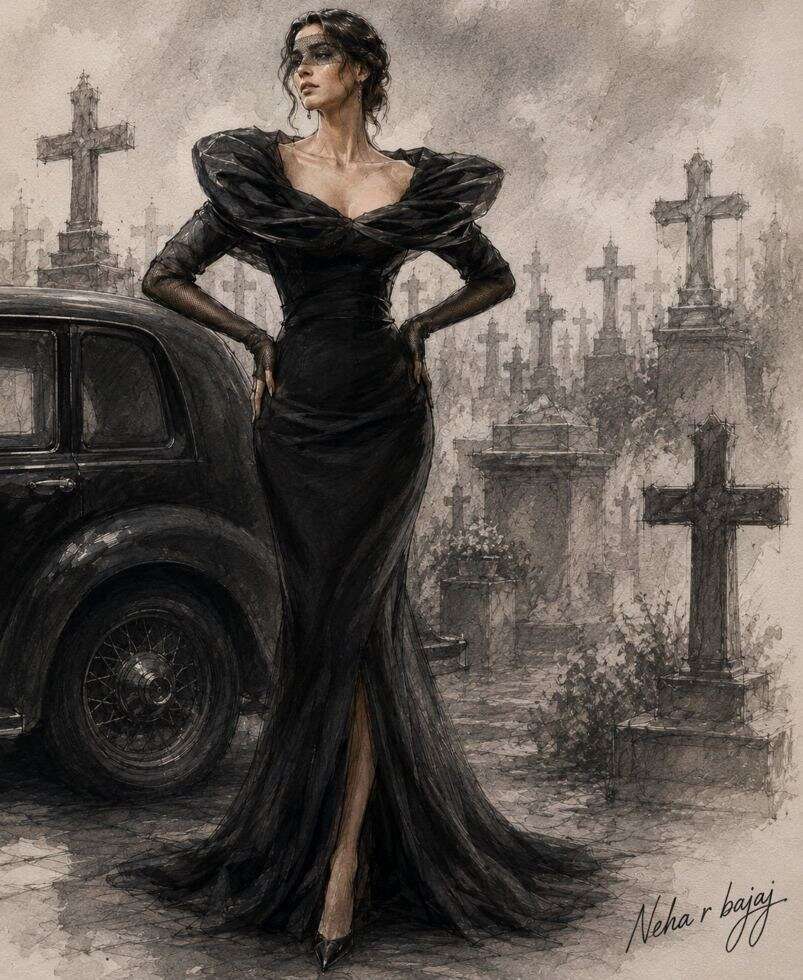
I thoroughly enjoyed the detailing and theatricality of Elizabeth’s wardrobe. There were details such as the ostrich feathers on her circus cape, paired with a matching deep-purple feather hand fan that was custom-made. Her wardrobe also included the winged sleeves of her black cemetery gown, the filigreed eye patch she wears in one scene, and the delicate fur-lined white gown in her final scene. The range within her wardrobe was enormous, theatrical and commanding, and every detail had to be thought through. But with Toxic, the challenge was maintaining the visual grammar of the entire film across hundreds of costumes, characters and locations.
You’ve said costume designers can sometimes get typecast just like actors do. Do you think Toxic changed the way directors see what you can do?
I hope so. As costume designers, we’re often associated with a certain aesthetic because filmmakers remember what they’ve seen us do. Toxic allowed me to push much further into new territory in terms of style and glamour. For me, the most exciting part was being able to demonstrate that I can move between very different genres and visual languages. I don’t think a designer should be defined by one particular aesthetic. Our job is to understand the world a director wants to create and deliver on that vision. So I would like to be seen as someone who can respond to very different visions and make each of them feel completely authentic.
What’s next for you?
I recently completed a supernatural thriller mounted by an international crew, and I am currently filming Farzi Season 2.
Also Read: Toxic: A Fairy Tale for Grown-Ups Review: Sound and Fury Spectacle
Disclaimer : This story is auto aggregated by a computer programme and has not been created or edited by DOWNTHENEWS. Publisher: filmfare.com