Huma Qureshi is enjoying one of the most rewarding phases of her career. Baby Do Die Do has emerged as one of the most talked-about films of the year, winning audiences over with strong word of mouth and putting the spotlight back on women-led theatrical films. Apart from leading the action thriller as the deaf and mute contract killer Baby, Huma has also backed the film as a producer under Saleem Siblings. In this exclusive conversation with Filmfare, the actress opens up about the film’s unexpected success, the organic love from audiences, creating the character of Baby, working alongside brother Saqib Saleem as a producer, the internet-breaking Alpha Q cameo and why she believes the journey has only just begun.
Speaking about the overwhelming response to Baby Do Die Do, Huma admitted that the film’s success still feels unreal. She said, “It feels very surreal. I don’t think when we set out to make this film, we imagined it would become what it has become today. We never thought it would become such a big talking point or inspire conversations around women-led films. For the last two weeks, the entire cast has been travelling across cities, living out of suitcases, meeting audiences in theatres. This is a first for me because usually you promote a film and then go back home. This time, we’ve actually been witnessing people’s reactions firsthand.”
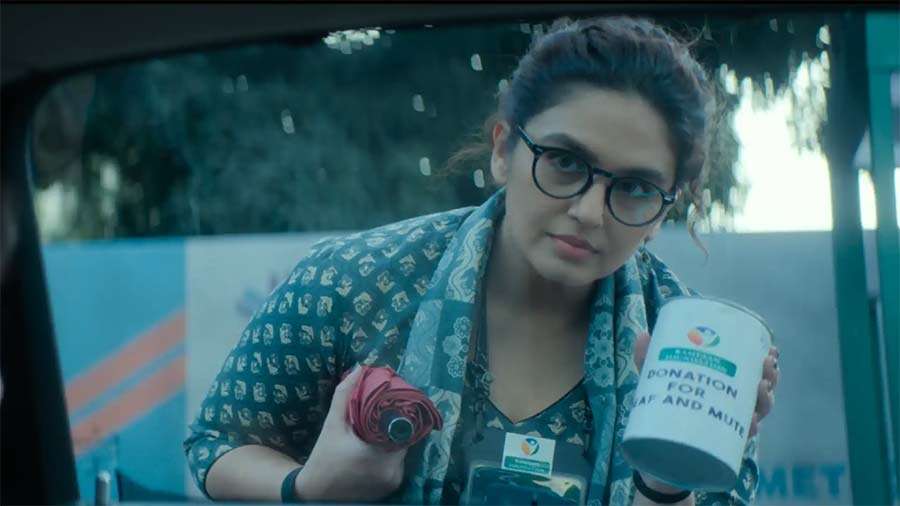
She also reflected on how the film slowly found its audience despite a limited release. She shared, “We didn’t have a huge marketing budget and we knew the release would be limited because the calendar was packed. But from Friday itself, the calls started coming in. The reviews and word of mouth were incredible. Even though the first morning shows had around 50 to 60 people, by evening we started seeing houseful shows. We couldn’t believe it and wanted to experience it ourselves.”
The actress hopes the film changes the way success is measured. She explained, “Unfortunately, we live in a culture where if you’re not a ₹100 crore film in the first few days, people question your success. But not every film works like that. Some films grow through word of mouth over weeks, and that’s exactly what’s happened with us. Because of the audience’s love, the film is still running in theatres in its third week. New territories like France and the UK have opened up for us, something we never even planned for. Honestly, we didn’t even have the budget for that. It’s truly the cherry on top.”
Talking about the growing power of audiences in deciding a film’s fate, Huma said she feels encouraged by the organic success stories emerging today. She said, “Absolutely. Kudos to Main Vaapas Aaunga as well because it’s wonderful to see films growing through word of mouth. Saqib and I always believed in this film. We made it completely on our own. In today’s time, unless there’s already a deal on the table, people don’t even move an inch. As first-generation producers, we wanted to back ourselves and make the film exactly the way we wanted.”
She added that audiences should be given the opportunity to discover films naturally. She said, “I think audiences are tired of being pushed in certain directions. If people want to watch a film, it should at least be available to them. I kept getting messages saying people wanted to watch Baby Do Die Do, but there weren’t enough shows or the timings weren’t convenient. That’s when we realised we had to understand the business side as well, talk to stakeholders and fight for the right shows. Eventually, it’s the audience that decides everything. The love we’ve received through messages, DMs and personal calls has been incredibly fulfilling.”
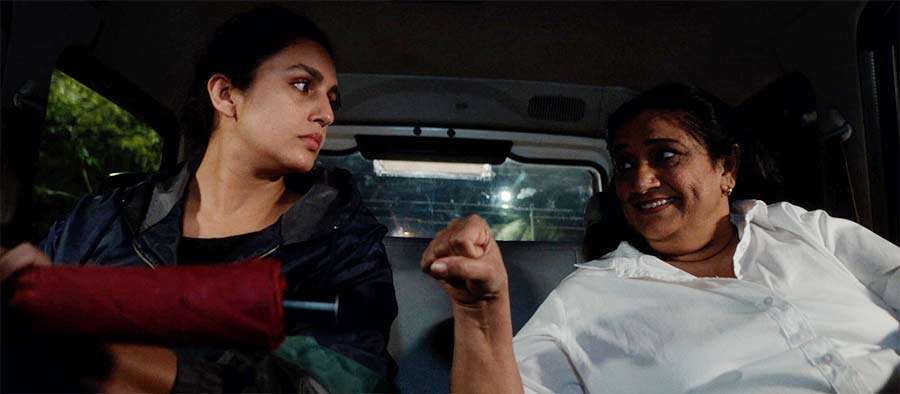
Huma’s performance as Baby, a deaf and mute contract killer, has drawn widespread appreciation for breaking away from stereotypical portrayals of female assassins. She credited the writers and director for shaping the character, saying, “The credit goes to the entire writing and creative team. The original script was written by Parveez Shaikh and Jasmeet Reen nearly four years ago. I had acquired the rights and tried to set it up with different people, but things didn’t work out. Eventually, Saqib read it and loved it. Then Nachiket and the team revisited the script along with writer Gaurav Sharma and turned it into something really beautiful.”
She explained the idea behind making Baby a deaf and mute assassin. She shared, “Nachiket wanted to use it as a metaphor because women are often silenced. But here you have a silent killer whose actions speak much louder than words. As an actor, I love challenges. I’m known for dialogue delivery and playing characters with different accents, so I thought it would be exciting to play someone who doesn’t speak at all. Then the challenge becomes, how do you communicate every emotion without dialogue?”
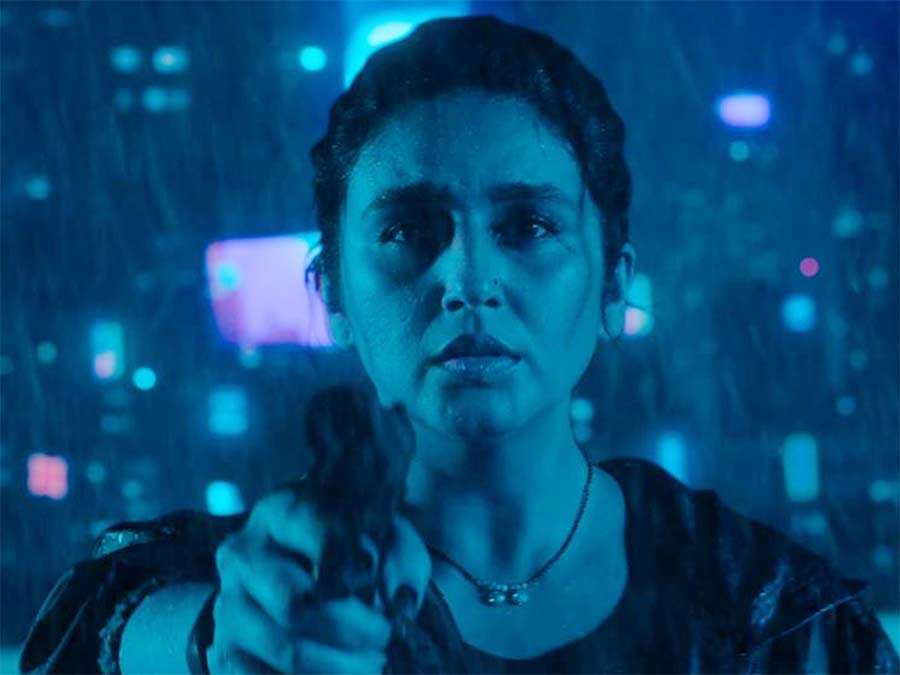
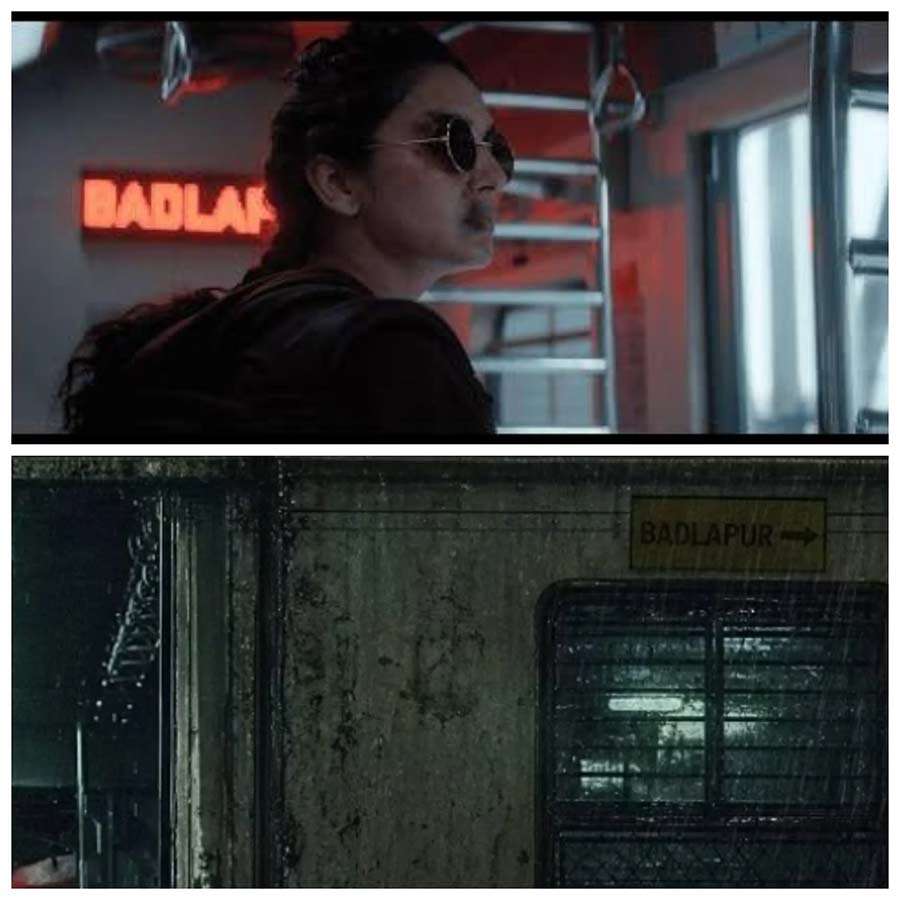
The actress also spoke about Baby’s simple appearance, explaining, “We always wanted her to look like a regular girl. If you saw her in a Mumbai local or walking on the road with a bag and umbrella, you wouldn’t look twice. But if you mess with her, she’s like a weapon of mass destruction. That duality fascinated me. Mumbai has had plenty of hitmen on screen, but I don’t think we’ve really had a hitwoman. I think Mumbai needed one, and I had a lot of fun playing her.”
Portraying a character entirely through expressions and body language wasn’t easy, but Huma enjoyed the challenge. She said, “It does take a lot out of you, but that’s the fun of being an actor. I’ve always wanted to do something different. After Maharani, I got so many offers to play similar Bihari characters. After Monica, O My Darling, I got similar roles again. But I don’t want to repeat myself until it becomes a caricature. That’s what keeps me excited and creatively alive. Bring me a role that people think I can’t do or one that I’ve never done before. That’s what really gets my attention.”
When asked what still excites her after such a varied filmography, she said, “I don’t know what’s left to do. Maybe make and watch more films. The idea is to keep surprising yourself and keep growing. I became an actor because every few years I get to become someone else, learn new skills and do things I’ve never done before. That’s the beauty of this profession.”
As a producer, Huma had nothing but praise for her brother Saqib Saleem. She shared, “Saqib has been an incredible producer on this film. For the last two years, this is the only thing he’s focused on. He’s given it his blood, sweat and tears. A huge reason why the film is doing what it’s doing is because of his single-minded dedication.”
She admitted watching him work gave her a new perspective. She said, “As a sister, I obviously have a different relationship with him. But seeing him work as a professional has made me deeply admire his drive. Even on days when I felt exhausted or wondered how we’d pull this off, he would always say, ‘We’ll make it happen.’ He became that leader for the entire team.”
Huma also revealed how much this opportunity means to her. She said, “I’ve always wanted to do a film like this. Earlier, when I tried setting it up, there were always conversations about budgets and other issues. But Saqib believed in me and wanted to give me this opportunity. I’m really grateful to have him in my corner. He deserves the lion’s share of the credit because it took his vision and determination to bring everything together.”
One of the biggest talking points from the film has been Alpha Q’s special appearance featuring Saqib Saleem in a different avatar. Laughing about the viral reaction, Huma said, “The boys were the most excited about that sequence. We actually shot it almost two years ago. They were definitely aiming for that Bhaag DK Bose kind of vibe. I wasn’t even on set that day because I was shooting for something else. When I saw the edit, my reaction was exactly like yours. I knew it would bring the roof down, and it really has.”
She also revealed that the makers had initially approached several well-known faces for the cameo. She revealed, “We wanted a known face and approached a lot of people, but for different reasons it didn’t work out. Finally, Nachiket suggested Saqib. He immediately said, ‘I’ll do it.’ I thought they were absolutely crazy, but I have to say everyone has become a huge fan of Alpha Q.”
Looking back at her journey from Gangs of Wasseypur to Maharani and now Baby Do Die Do, Huma believes success is about having the freedom to choose. She said, “For me, success means having the freedom to make your own choices. It’s not just about making something successful, but about the process and the decisions you take. I always want to back stories like Baby Do Die Do. I want to give opportunities to myself and to people around me, especially when nobody else is doing it.”
She described filmmaking as a collaborative passion. She said, “We all love movies. We’re cinephiles who grew up watching films and we simply want to keep making them. It reminds me of school or college projects where everyone came together for one goal. That’s the same spirit with which we’ve made this film. We learn, we stumble, we get back up, but the last few months have taught me so much about myself and the entire process.”
Ending on a heartfelt note, Huma said the audience’s love has made the entire journey worthwhile. She concluded saying, “The journey is far from over. You’re speaking to me while we’re still in the middle of it. But what’s truly heartwarming is the way people have responded. When you’re walking your own path and you hear these echoes of support, love and acknowledgement, that’s more than enough to keep moving forward.”
Also Read: Check out Huma Qureshi’s sexy new photos in her latest Filmfare photo shoot
Disclaimer : This story is auto aggregated by a computer programme and has not been created or edited by DOWNTHENEWS. Publisher: filmfare.com