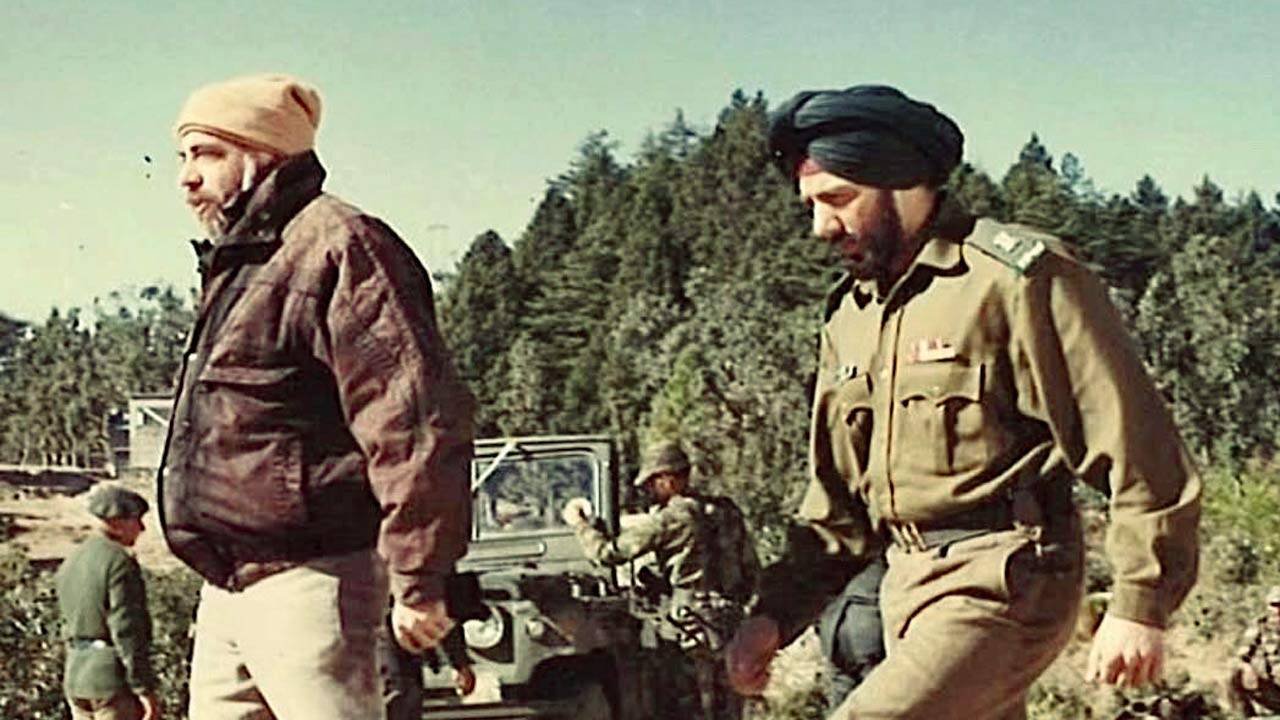
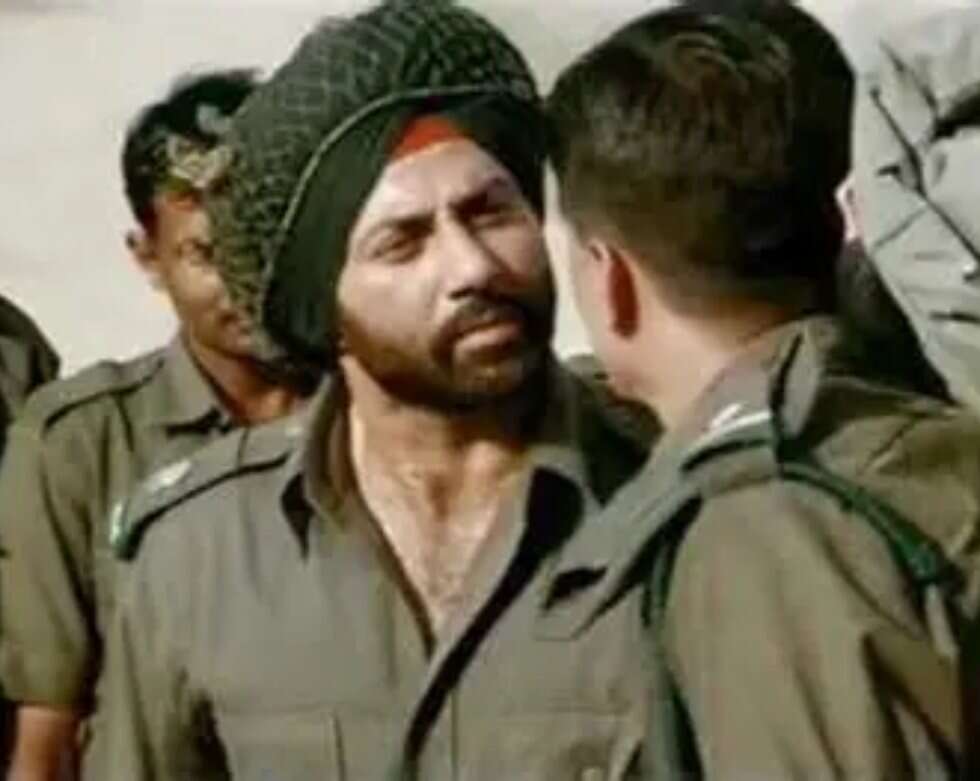
For nearly three decades, JP Dutta’s Border has been an inseparable part of India’s Independence Day viewing ritual. Released in 1997, the war drama, based on the Battle of Longewala during the 1971 India-Pakistan war, went far beyond being a conventional story of soldiers and combat. For Dutta, who has explored the lives and sacrifices of armed forces personnel through films such as Border, LOC Kargil and Paltan, war has always been as much about the families waiting at home as it is about the men fighting on the frontlines.
That understanding comes from a deeply personal place. Dutta grew up in a family with a long association with the Armed Forces and had a younger brother who served as an Air Force pilot. The filmmaker’s own experiences of waiting, uncertainty and loss inevitably found their way into Border, giving the film an emotional dimension that has allowed it to endure across generations.
On the occasion of Independence Day, Dutta reflects on why Border continues to resonate with audiences almost three decades after its release. “I think people return to an emotion and a memory. There are some films you remember for their story, some for their performances, some for their music. But Border became something else. Somewhere, the film’s emotion resonated so deeply with people that they made it their own. And that emotion has travelled from one generation to another. They have memories of watching it with their loved ones. Maybe that is why, after all these years, people still sit down and watch it on Independence Day. They know what is going to happen. They know the dialogues; they know the songs. But they still feel it. For me, that is the greatest achievement a filmmaker can have.”
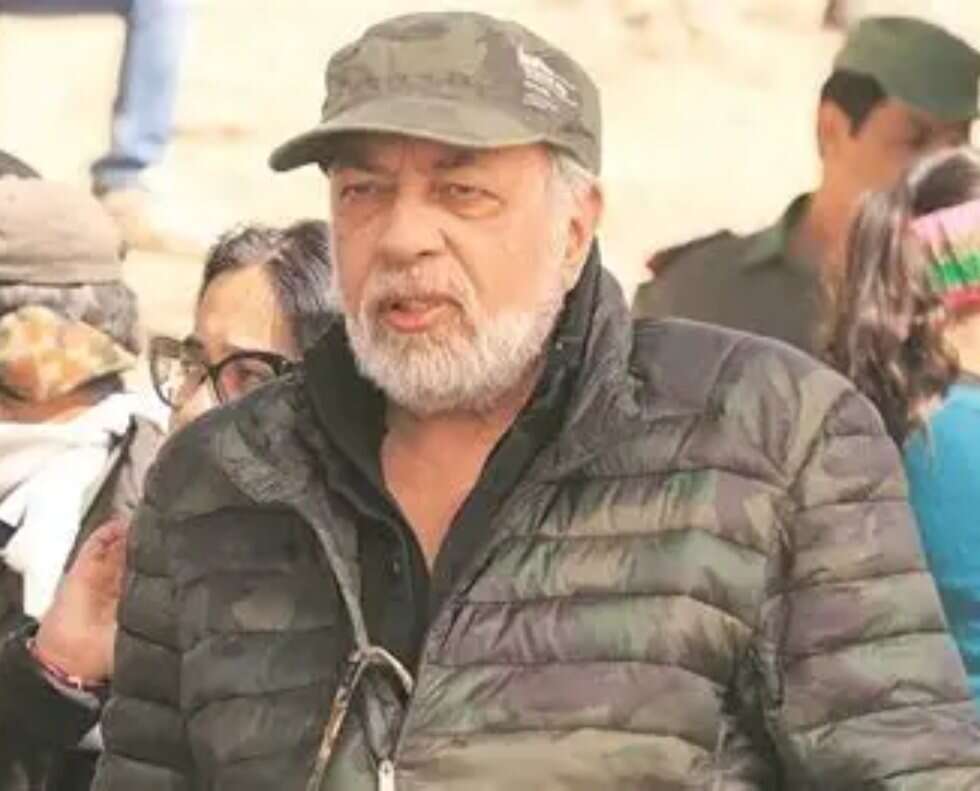
The fact that audiences who weren’t even born when Border released now return to it every August 15 is something Dutta admits he could never have imagined. “It warms my heart and soul in ways I can’t put into words. When we made Border, we were telling the story of men who had fought for this country. That was all. There was no thought that thirty years later a child who wasn’t even born then would know those characters, sing those songs and feel something for those soldiers.”
For Dutta, that generational connection speaks to emotions that exist beyond a particular era. “It tells you that certain emotions don’t belong to a generation. Love for your country doesn’t. The pain of leaving your family behind doesn’t. Sacrifice doesn’t. The technology will change. The way films are made will change. The audience will change. But a soldier standing at the border, hundreds of kilometres away from his family, knowing there is something larger than himself that he has chosen to protect, that emotion will never become outdated. Maybe that is why Border hasn’t either.”
Dutta finds it difficult to revisit Border with complete objectivity because of how much of himself is embedded in the film. “I don’t know whether I can ever watch Border with a cold eye. There is too much of me in that film,” he says. What does surprise him, however, is the fearlessness with which he allowed his characters to express their emotions. “If a soldier missed his mother, he missed his mother. If he loved his wife, he said it. If he was frightened, he was frightened. And when he had to fight, he fought. Today we sometimes become afraid of being emotional because we think emotion is melodrama. I never believed that. War is perhaps one of the most emotional situations a human being can be put into. You are asking a very young man to confront death while carrying an entire life inside him. If I made Border again today, technically, of course, I would have much more at my disposal. But emotionally? I wouldn’t change it.”
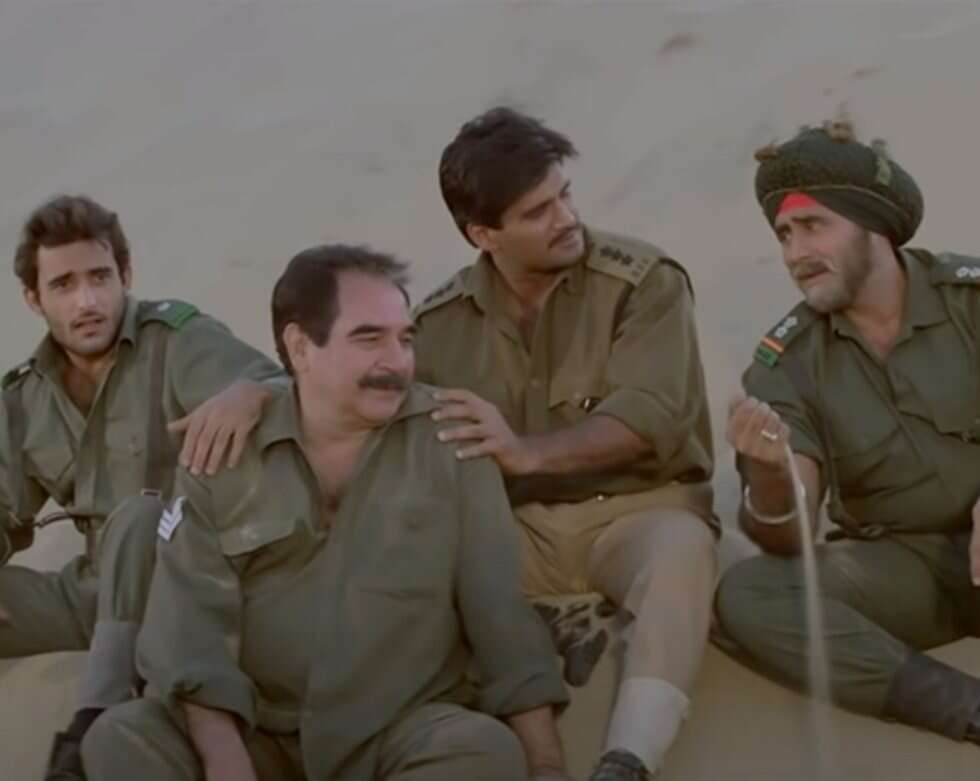
That emotional understanding of the soldier was shaped long before Border. Dutta recalls that the story itself was written after his younger brother returned from the 1971 war. “The story itself was written when he returned from the 1971 war. I remember I was in college and I wrote the story in a rough book. For my family and me, we had lived through the war as a family whose son was out there. I come from a background of the Armed Forces. Many of my cousins and uncles served, and my own younger brother was in the Air Force. So the uniform was never something distant or cinematic to me.”
He remembers the anxiety that accompanied his brother’s service. “Memories of my mother sitting and listening to the radio to hear any news she could on his well-being were a reality of our home. When you make a film about that, it comes from a very different place. I understood the family that remained behind. The waiting. The uncertainty. The pride. And sometimes, unfortunately, the loss. Losing my younger brother changed the way I look at these men forever.”
That is also why Dutta was never interested in presenting soldiers merely as larger-than-life heroes. “I wasn’t looking at soldiers as larger-than-life heroes standing against a beautiful sunset. I was looking at them as somebody’s son. Somebody’s husband. Somebody’s brother. That is why the families in Border were as important to me as the battle. Because every soldier who goes to war leaves another battlefield behind at home, people waiting for him to return. That part of Border or any of my war films was deeply personal.”
Although Dutta is often described as a filmmaker of war films, he makes a distinction between films about war and films about the people who are forced to fight it. “People call me a maker of war films. I have never really thought of them as films about war. I have made films about the men who are asked to fight wars. The tanks, the guns, the aircraft… those are the spectacle. The soldier is the story. And perhaps I keep returning to these stories because I still feel I owe the soldier something… and I will owe him till my last breath.”
That philosophy also shapes Dutta’s understanding of patriotism, particularly at a time when patriotic cinema is increasingly discussed through the distinction between patriotism and jingoism. For the filmmaker, loving one’s country has never required hatred towards another. “For me, patriotism was never aggression. I don’t need to hate another country to love mine. Patriotism, to me, is pride, sacrifice and duty. It is a young man standing at the border knowing his family is hundreds of kilometres away, but believing that there is something larger than himself that he has chosen to protect. That is patriotism.”
He adds, “You don’t have to scream Bharat Mata Ki Jai for two hours to prove that you love India. Sometimes a soldier quietly saying goodbye to his mother tells you much more about patriotism than a hundred slogans can.”
It is a distinction that becomes particularly significant when discussing Dutta’s war films, which have occasionally been reduced to the shorthand of chest-thumping patriotism. The filmmaker believes that such a reading overlooks the anti-war sentiment running through his work. “My films have always ended with the message of peace and anti-war. In Border, I ended with ‘Mere Dushman Mere Bhai’, where I’ve called the enemy my brother… in LOC it was ‘Ek Saathi Aur Bhi Tha’ and in Paltan, it was ‘Main Zinda Hoon’. I have always found it strange when my films are described only as chest-thumping. If you look at them closely, I don’t think I have ever celebrated war.”
For Dutta, the human cost of conflict remains at the heart of his storytelling. “War means somebody’s son doesn’t come home. Somebody’s husband doesn’t come home. And that is true on both sides of a border. I can salute the courage of the soldier and still wish that the battle never had to be fought. To me, there has never been a contradiction between those two thoughts.”
Nearly three decades after Border, that philosophy has travelled into another generation through Border 2. Released earlier this year, the sequel carries forward the franchise while marking another chapter in Dutta’s commitment to stories about the Armed Forces. The film was written by his daughter Nidhi Dutta, who is now continuing the family’s association with stories about India’s soldiers. Dutta says he feels fortunate to see her carry that legacy forward.
“I’m blessed my daughter Nidhi is carrying that legacy forward. She’s written Border 2 and now again post that she’s written films on our soldiers again, like the celebrated General Harbaksh Singh… a story that has to be told. And as a company, I’m glad we are continuing to tell these stories and we always will.”
Disclaimer : This story is auto aggregated by a computer programme and has not been created or edited by DOWNTHENEWS. Publisher: filmfare.com