In an industry where familiar surnames often dominate the conversation, actors like Akash Makhija remind us why outsiders remain the lifeblood of Indian cinema. Armed with little more than talent, resilience and an unwavering belief in his dream, he spent well over a decade navigating auditions, rejections and financial struggles before finally finding his breakthrough. His chilling performance in Raakh is the reward for years of quiet perseverance rather than overnight success. Akash’s journey is a testament to the power of persistence, proving that fresh voices and lived experiences continue to enrich the industry in ways that truly matter.
Your performance in Raakh is the talk of the town.
The first review I got was from my wife. She watched the series while I was away. When I got home, she was in tears. She said she felt so uncomfortable after watching me that she wanted me to sleep on the sofa that night. I was completely shocked! I’m also getting death threats and disturbing messages on Instagram. People have written things like, “God forbid I ever meet you,” and one person said he felt like strangling me through the television. Another said he was repulsed by me. At the same time, someone commented that my eyes reminded him of Irrfan Khan. For an actor, these reactions are actually compliments. It made me realise that if a character stays with the audience long after they’ve finished watching, you’ve done your job well.
While portraying Babu, what did you discover about yourself as an actor?
I was nervous when I got the role because I wasn’t sure whether I could do justice to such a complex character. But I learnt that confidence can take you a long way. More importantly, your craft and honesty towards your work are what keep you going. I realised that if you read the script repeatedly and understand every scene deeply, your craft becomes stronger. You don’t literally become the character but you can make the audience believe that you are. I’m not formally trained as an actor but I’ve learnt that if your conviction is strong and you’re willing to work hard, you can pull it off.
How did you prepare yourself to play such a dark and disturbing character?
I believe acting is truthful pretending. The more vulnerable an actor is, the more believable the performance becomes. Emotions are like buttons for me. I know how to access sadness, happiness or anger because those emotions already exist within me. That said, I never bring my characters home with me. Once the shoot is over,
I leave them behind.

You had mostly done comedy earlier. How did you end up playing someone as dangerous as Babu?
Around 700 to 800 actors auditioned for the role. Fourteen were shortlisted, then we had workshops, and eventually three of us remained. Initially, I was told someone else had been finalised. A few days later,
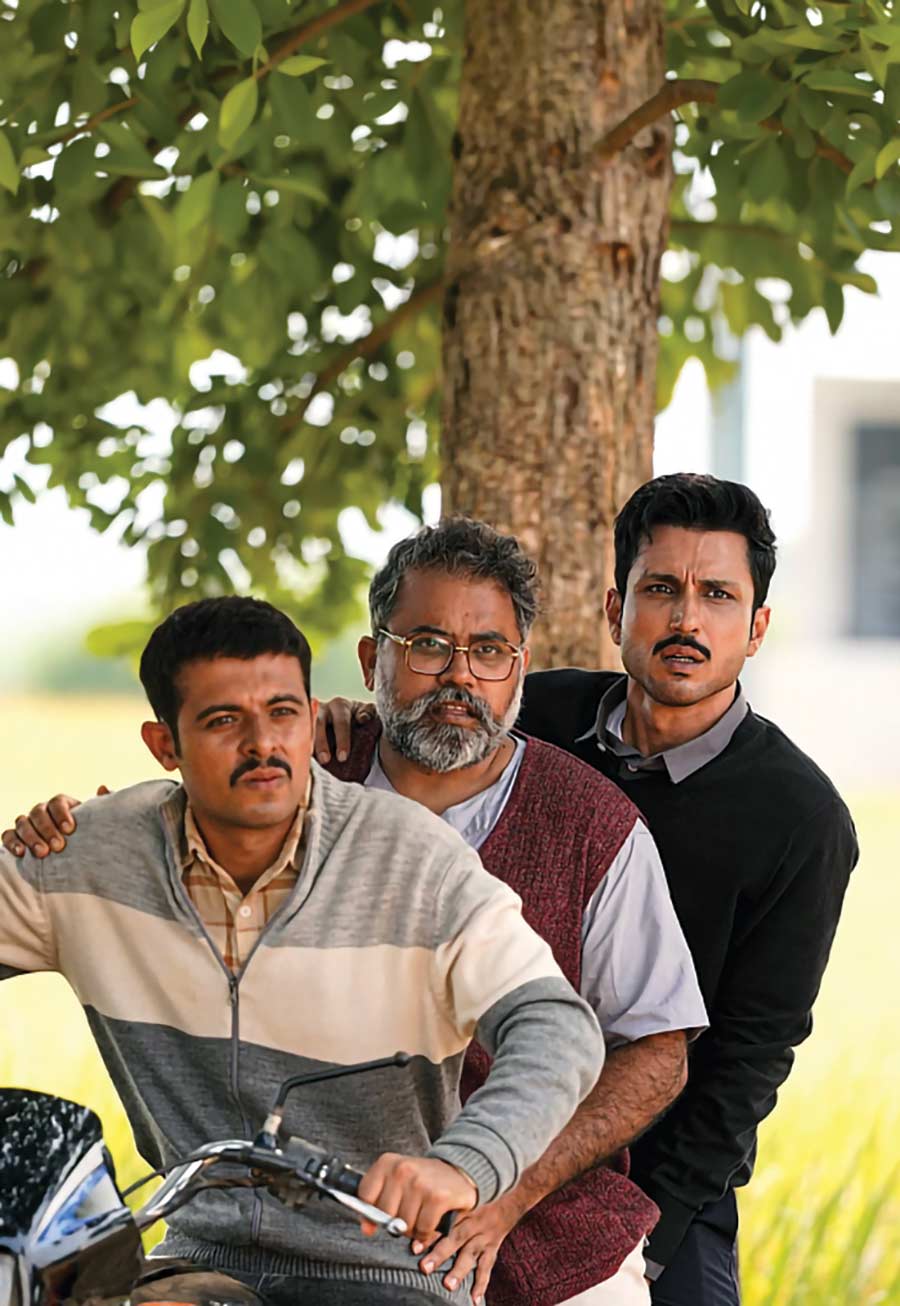
I got a call saying I had been selected. I live in Kalyan, so I started reading the script on my phone while travelling. I was stunned by how evil Babu was. When I reached the production office, I found myself sitting across the table from Sonali Bendre, Ali Fazal, Amir Bashir and Rakesh Bedi sir. I was so overwhelmed that I couldn’t even speak. Rakesh sir nudged me and asked me to read.
I told him, “I’m too awed to speak.” Before filming, I underwent a seven-day workshop where we worked extensively on Babu’s psychology, how he thinks, behaves and how deeply sexually frustrated he is.
The series is inspired by the Ranga-Billa case. What brief did director Prosit Roy give you?
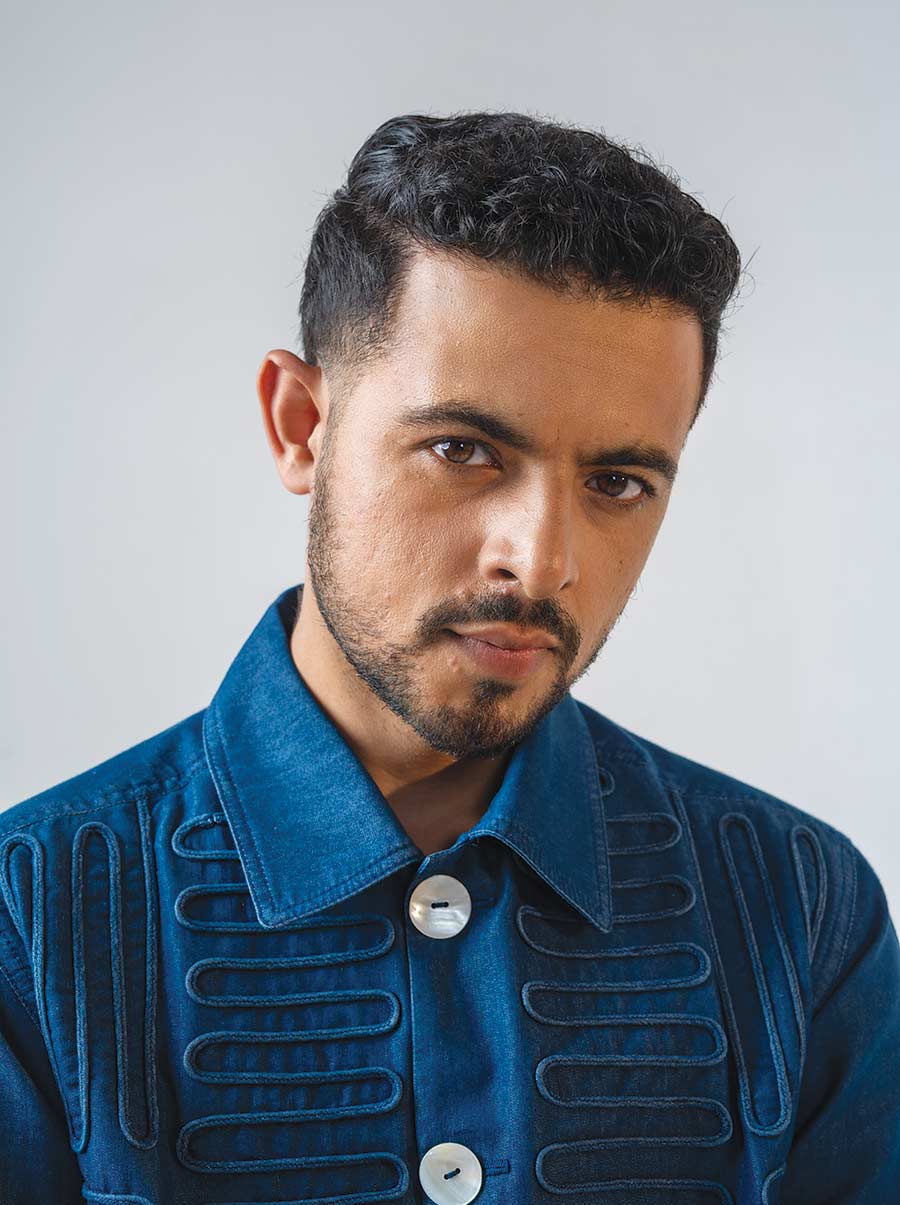
Prosit sir asked me to completely reframe the character. I imagined Babu as a mix of different animals. Depending on the situation, he’d behave like one of them. While hunting, he’d be a lion. While escaping, he’d move like a snake. Around Rajjo, he’d become as harmless as a cow. I don’t smoke in real life, but I smoked beedis for the role. I also stopped wearing perfume and sometimes even skipped bathing because I felt it helped me get into Babu’s headspace. We never wanted him to come across as a larger-than-life villain. We wanted him to feel like someone who could exist in society.
How much did the role affect you mentally?
It was physically and emotionally exhausting. My character has a burnt hand, so I had to spend nearly an hour every day getting prosthetics applied, and another hour getting them removed. I also had cuts and bruises created with make-up, but there was so much action that by the end of the day I couldn’t tell which injuries were fake and which ones were real.
I had just got engaged when we started shooting, and my fiancée had to bear the brunt of it. I was constantly tired and irritable whenever we spoke.
How did you detach yourself from Babu once filming ended?
Luckily, I didn’t have to do anything special because I immediately began shooting Gram Chikitsalay, which is a comedy. That became my therapy. I live in a joint family and spend a lot of time with friends, so going back home naturally helped me return to myself.
Tell us about your journey.
I decided to become an actor when I was six years old. I was obsessed with Baburao from Hera Pheri and used to imitate him in school. Even as a child, I never suffered from stage fright. I grew up in a Sindhi family in Ulhasnagar. During my first year of studying BMM at National College, I discovered that auditions were happening in Andheri. I’d attend my first lecture and then head straight for auditions, only to get rejected every single time. The words “not fit” became a regular part of my life. I never told my family about the rejections because I didn’t want them to worry or question what
I was doing.
Did you ever ask why you were being rejected?
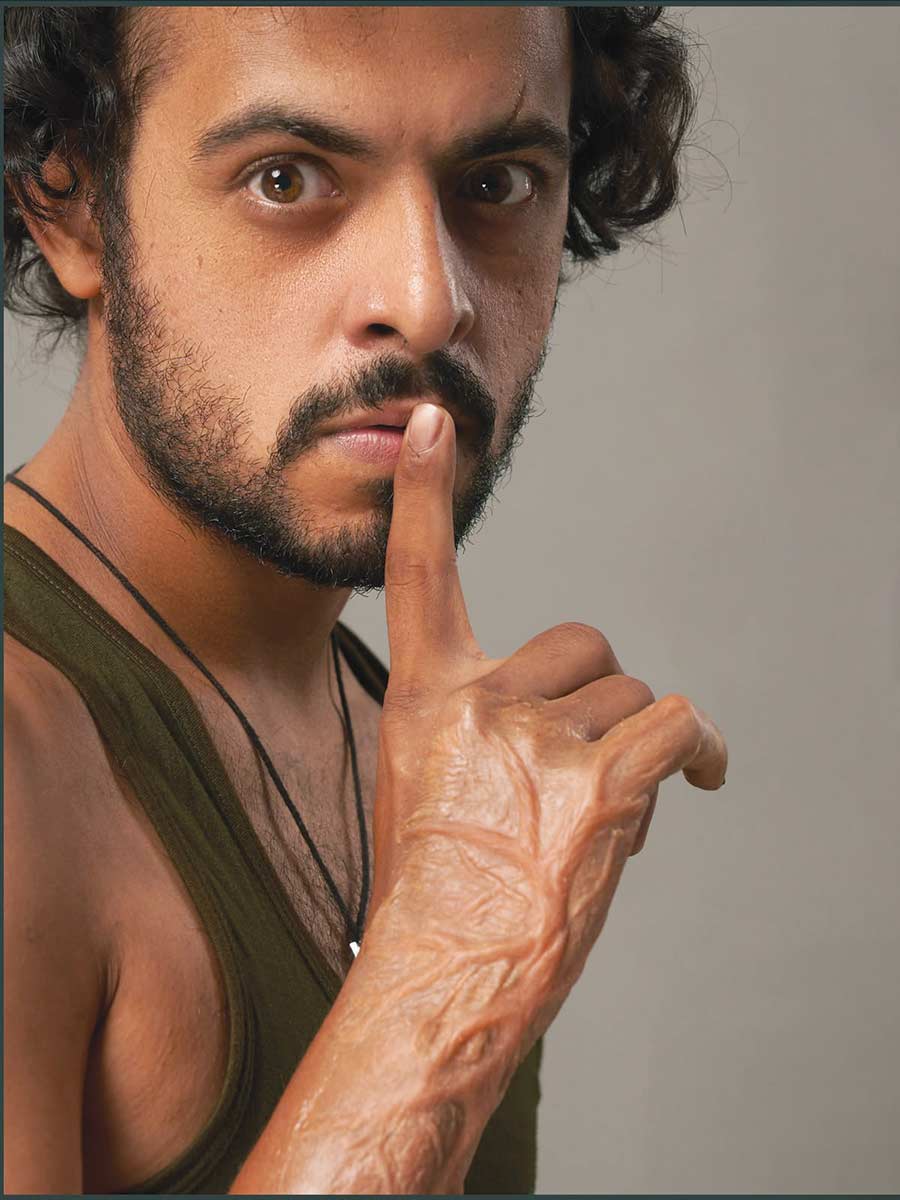
The answer was always the same. They wanted a handsome hero with clear skin who fit the conventional lead image. At that time there was no OTT, so opportunities were very limited. I genuinely believed my curly hair and pimples were the reasons I wasn’t getting selected. People even told me I’d never play lead roles and would only get character parts. Those years have left a mark on me. Whenever someone refuses to cast me, I still feel rejected. But what changed everything was that I stopped obsessing over the result and started enjoying the process. That’s when I began getting small television roles, including Nirmal Pathak Ki Ghar Wapsi. Back then, my biggest dream was to win the Star Parivaar Best Beta award. In films, I’d barely get a few scenes. I even had a small role alongside Rajkummar Rao in Bhool Chuk Maaf. It took me 12 years before I finally landed a role that truly showcased what I could do.
What helped you reach where you are today?
Consistency. That’s the biggest reason I’m here today. There are no shortcuts. If you genuinely believe you’re talented, stay practical but don’t stop showing up. It may happen today, tomorrow or even after 14 years. Acting shouldn’t be a decision made after watching someone become famous on television. It’s a technical, demanding profession, just like medicine or engineering. You have to approach it with the same level of professionalism.
What has been your biggest eye-opener about the industry?
That nothing is permanent. Just because you have work today doesn’t mean you’ll have work tomorrow. Even after delivering a hit, you can’t assume you’ve become a star. When Half Girlfriend was released in 2017, I was playing Arjun Kapoor’s friend. At the same time, I also had a television show.
I genuinely believed my struggle was over. Then the television channel shut down, people moved on from Half Girlfriend and I found myself back in dition queues. The race never ends. Earlier, I was chasing auditions. Today, I’m chasing good scripts.
What have your struggles taught you?
Earlier, I was always dreaming about becoming someone. Now that I’ve achieved many of those dreams, life feels surprisingly normal. That’s why my biggest lesson is to stay in the present. Another important lesson came from Manoj Bajpayee when we worked together in Bhaiyaji. He told me that if you’re not selected for a role, it doesn’t mean you’re less talented. It simply means that luck wasn’t on your side that time. That stayed with me.
What matters more in this industry, talent or luck?
Both. Talent is essential, but luck matters too. Sometimes you simply have to be at the right place at the right time.
Also Read: Gram Chikitsalay Season 2 Review: Finding Its Own Pulse
Disclaimer : This story is auto aggregated by a computer programme and has not been created or edited by DOWNTHENEWS. Publisher: filmfare.com