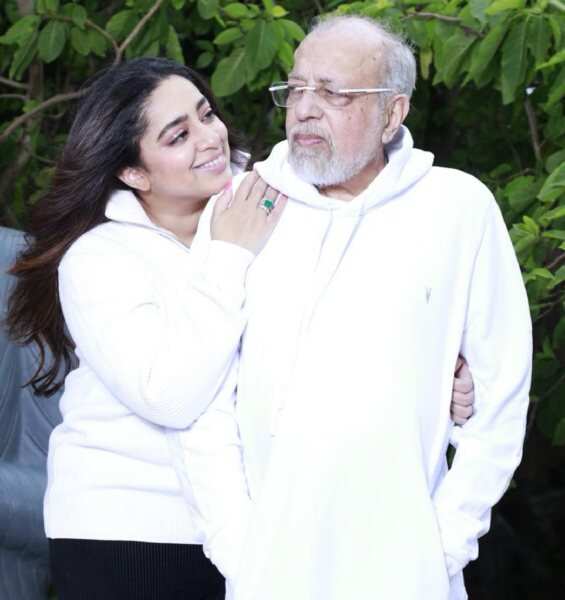
For Nidhi, the connection between the two films is not simply a matter of a family name or a franchise being carried forward. Her earliest memories of Border, she recalls, are deeply personal. “My earliest memories of Border are being on set with dad, visiting him in Jaisalmer when he was shooting the climax to celebrate my birthday and taking that drive. I remember my mom was expecting my little sister. So she was six months pregnant, and we were driving all the way to the border just to go meet dad. I remember seeing the tents they had put up, the whole camp and the trenches they had built. And I’m just so grateful that I have that memory as a child.”
Those memories go back even further, to the origins of the story itself. “From the first time that dad took out that rough book in which he had written the story when he was in college. When my uncle, who is his younger brother, was in the Indian Air Force and part of the Longewala battle, had come back from the war in ’71, he narrated what happened that night to dad. And dad created a story in his head around it. He had written it in this rough book that he had from college.”
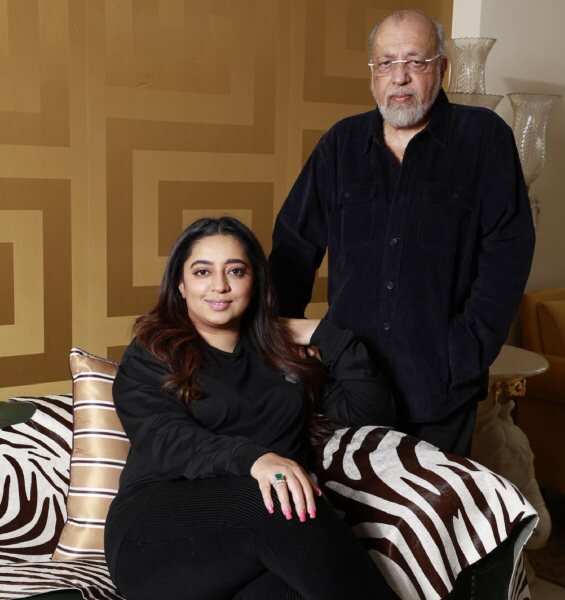
The scale of what Border would eventually become was impossible to know then. “Today this film is beyond success. It’s beyond a hit. It’s eternal. But when it started off, it was one man trying to tell a story about his soldiers and sharing it with his family. Those moments are personal and special.”
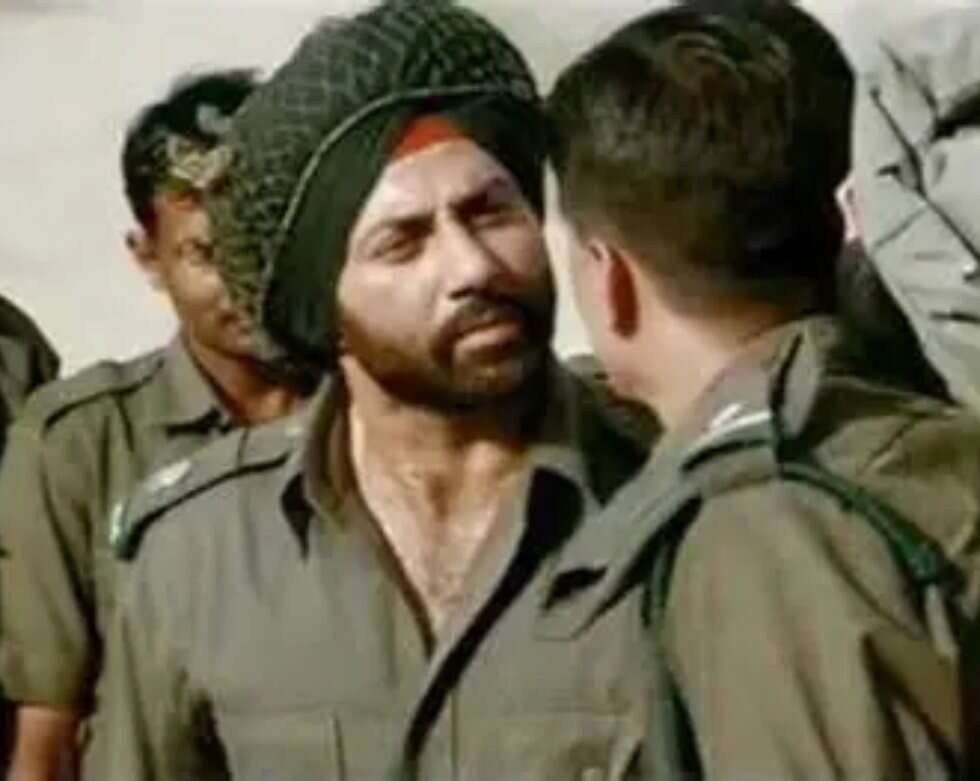
Now that she is telling these stories herself, she sees a direct continuity between their experiences. “Today, when I am telling a story, I am also coming from the same space and the same schooling. The same family background. So my narrative is going to be the closest narrative that there can ever be to a JP Dutta film. Because my emotion, my experiences, my thoughts are the same as my father’s. Of course nobody can be him. But closest to him. Then that would be my kind of storytelling or my narrative.”
That understanding of patriotism also shapes Nidhi’s response to the increasingly common distinction between patriotism and jingoism. She says she does not believe in the latter. “I don’t believe there is anything called jingoism. I believe that there is something called pride for your country. Pride about your soldiers. Pride about how tough your country is when it fights. We as a country have never been an aggressor. We’ve always defended our boundaries. Our borders. So when you’re telling stories about that, there is nothing called jingoism. It’s patriotism.”
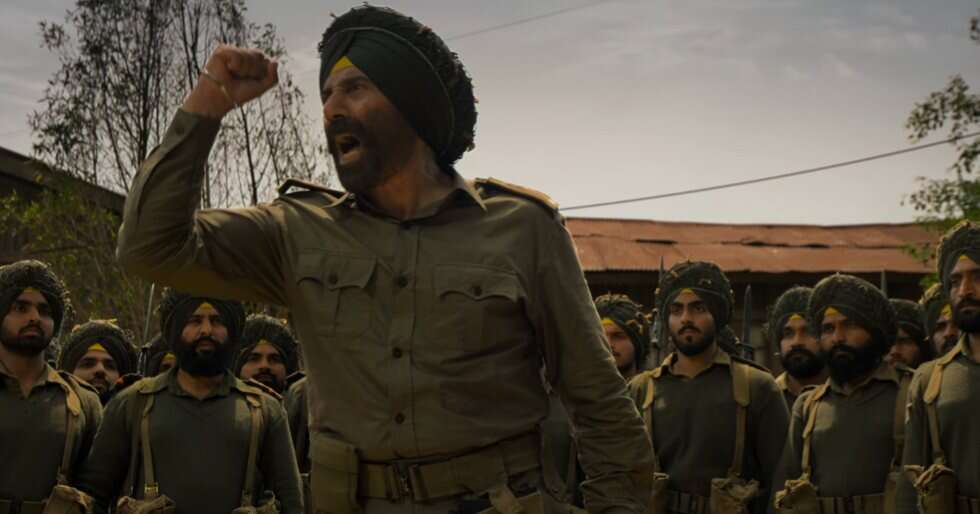
That philosophy became particularly relevant when Nidhi stepped into the making of Border 2. Unlike the original, where JP Dutta was the director, writer and driving creative force, the sequel gave Nidhi her own authorship within the franchise. She wrote the story and produced the film, while Anurag Singh directed and co-wrote the screenplay and dialogues. JP Dutta remained involved as a producer.
Released on January 23, 2026, Border 2 brought together Sunny Deol, Varun Dhawan, Diljit Dosanjh and Ahan Shetty, with its story centred on the 1971 war and the experiences of personnel across the Indian Armed Forces. For Nidhi, the film represented an opportunity to carry forward an emotional legacy without simply attempting to recreate what her father had done nearly three decades ago.
And the story is far from over. The next chapter of the Border franchise is already being developed, with Nidhi having earlier confirmed that Border 3 has been in the works. Asked about the film, she says, “You will hear about Border 3 very soon. There will be updates soon. We’ve been working on it for a while now. Since just before the release of Border 2. It was always on the cards. Bhushan Kumar and I had always decided we would make Border 3. Just hoping, praying that everything works out.”
Also Read: Exclusive: I Don’t Need to Hate Another Country to Love Mine: JP Dutta on Border, Patriotism & More
Disclaimer : This story is auto aggregated by a computer programme and has not been created or edited by DOWNTHENEWS. Publisher: filmfare.com