- Democrats gained Congress; Trump pledges extensive use of veto power.
- Trump plans executive orders for tariffs, immigration, and housing policies.
- Administration eyes impoundment, Schedule F, and foreign policy powers.
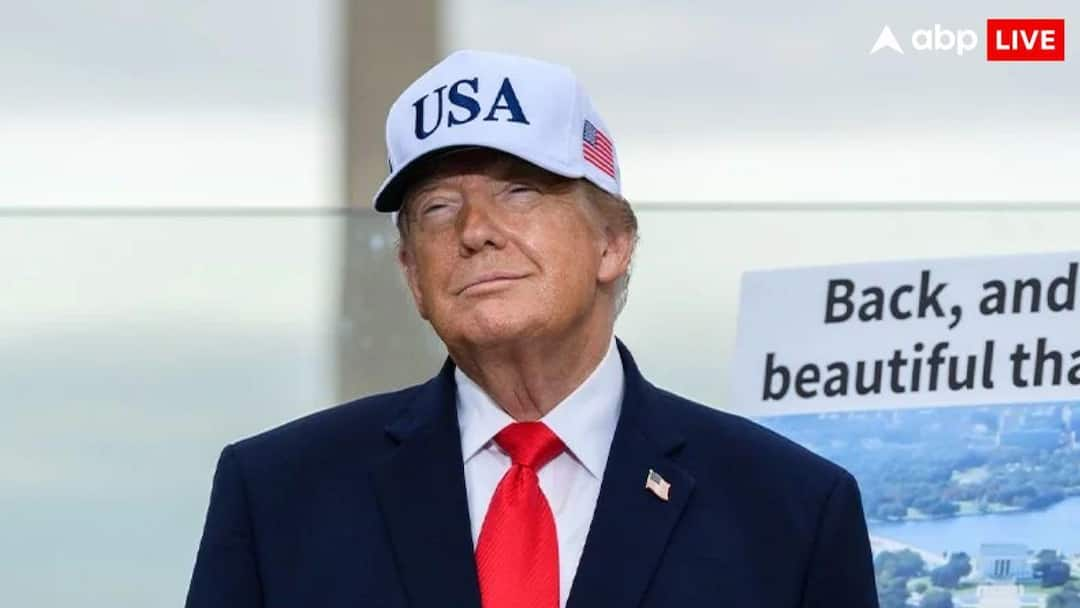
US President Donald Trump faces a major political challenge after Democrats secured control of both chambers of Congress in the midterm elections. However, Trump has made it clear that he is prepared to use his presidential powers to block the opposition’s legislative agenda. Calling himself ‘Mr Veto’, he has warned that he could reject bills passed by Democrats. His administration is also preparing alternative measures to retain control over key policy areas, ranging from immigration and trade to government spending and foreign affairs, despite the shift in congressional power.
Veto Power: Trump’s Biggest Weapon
Under the US Constitution, the President can reject legislation passed by Congress through a presidential veto. Trump has indicated that he intends to use this power extensively against Democratic proposals.
He has said that Democrats would send him bills containing what he considers unreasonable proposals, which he would simply veto. Trump has suggested that after one or two months of repeated vetoes, Democrats could eventually come to the negotiating table.
Overriding a presidential veto requires a two-thirds majority in both the House of Representatives and the Senate. This makes it difficult for Democrats to overturn Trump’s decisions without Republican support.
Executive Orders: Bypassing Congress
Executive orders offer Trump another way to implement policies without seeking fresh congressional approval, although they must remain within the limits of presidential authority and can face legal challenges.
His administration is reportedly preparing measures in three major areas:
- Tariffs: Imposing new duties on imports of critical minerals and wind turbines.
- Immigration: Tightening visa rules for international students and temporary foreign workers.
- Housing: Introducing measures aimed at reducing housing and construction costs.
Trump’s legal team is also examining how far the President can exercise his executive authority and how such decisions could be defended in court.
Also Read: US Midterm Elections: Democrats Win Both Houses Of Congress, What It Means For Trump’s Presidency
Budget Battle: Withholding Funds
Another potential tool is impoundment, also described as a pocket rescission. It involves the President withholding funds approved by Congress rather than spending them as authorised.
In September 2026, Trump attempted to withhold $810 million in congressionally approved funding, arguing that it did not benefit American citizens. The Government Accountability Office reportedly found the move violated the Impoundment Control Act.
Schedule F: Reshaping Government
The Trump administration has also pursued changes to federal employment through Schedule F, a policy designed to reclassify certain government positions.
The move could affect thousands of federal employees by reducing their existing job protections and making it easier to dismiss them.
Foreign Policy: Trump’s Wider Powers
The President enjoys considerable authority over foreign policy and trade. Trump could use these powers to:
- Impose tariffs under certain statutory provisions.
- Put pressure on other countries through trade negotiations.
- Direct military operations within the limits of applicable law.
Congress can still influence these decisions through legislation, funding restrictions and oversight.
Facing Congressional Investigations
Democrats are also expected to use their control of Congress to investigate the Trump administration. This could include demanding documents, issuing subpoenas and summoning government officials to testify.
Trump’s legal team has reportedly been preparing administration officials to deal with congressional investigations and requests for records. White House lawyers have also examined whether private presidential conversations with advisers can be protected from congressional scrutiny.
Trump has nevertheless indicated that he remains open to negotiations, suggesting that repeated vetoes could eventually lead to political deals.
Input By : Zahid Ahmed
Disclaimer : This story is auto aggregated by a computer programme and has not been created or edited by DOWNTHENEWS. Publisher: abplive.com