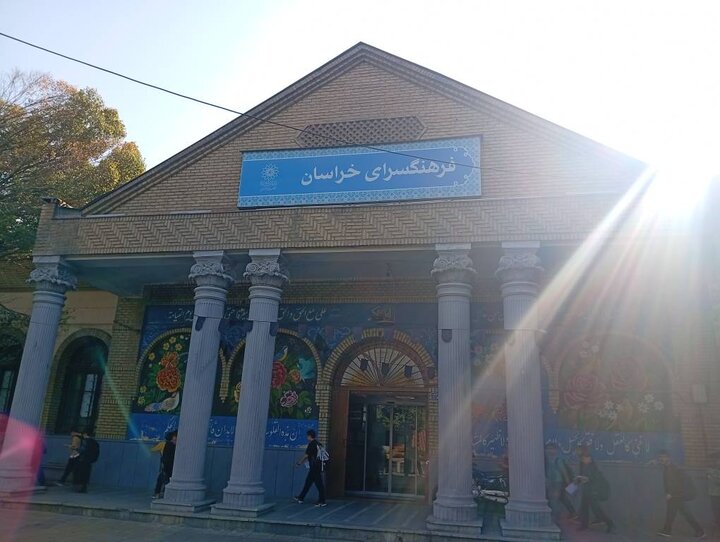
TEHRAN – Farhangsara-ye Khorasan, or Khorasan Cultural Center, in southern Tehran is a place where people can take part in cultural activities, enjoy artistic programs and attend educational and social events. But what makes it especially interesting is its location in an area with a rich history.
The center stands near the site of Iran’s first Mashin Doodi railway station, linking its present-day cultural activities with an important part of Tehran’s past.
There is usually a variety of programs to choose from, ranging from art and educational activities to local celebrations and community gatherings. These events give people living in the area a chance to meet, learn something new and take part in the cultural life of their neighborhood.
The center also has an amphitheater with audio and visual equipment and seating for 80 people. It can be used for performances, presentations, meetings and other events, making it a useful space for local cultural activities.
Yet a visit to Farhangsara-ye Khorasan is about more than what happens inside the building. Its surroundings have a story of their own, closely tied to the early days of railway travel in Iran.
A cultural center with a historic legacy
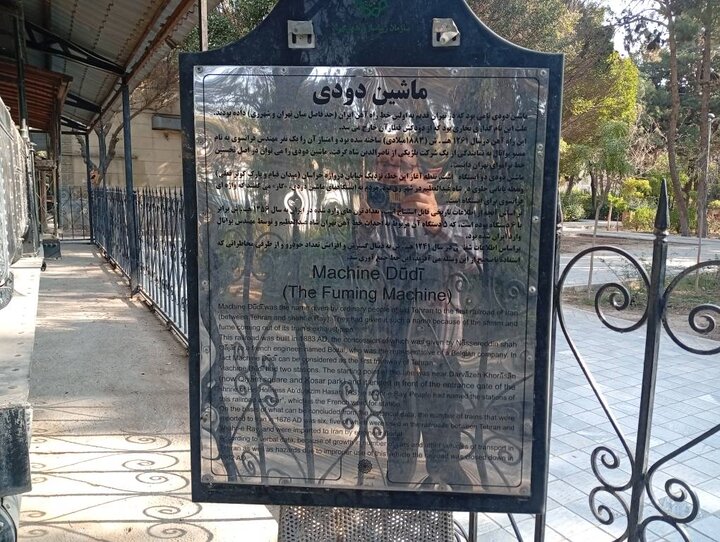
The Mashin Doodi railway began operating in 1882, during the reign of Qajar king Naser al-Din Shah. Its name, which refers to the smoke and steam produced by its locomotives, became familiar to people in Tehran. The railway connected the capital with the historic city of Rey along a route of about eight kilometers.
Before the railway arrived, people mainly travelled by horse-drawn carriage or used camel caravans to move goods. Such journeys could be slow and expensive. The new railway made travelling between Tehran and Rey easier and helped trade and everyday interactions grow.
It also played a part in changing the face of Tehran. Shops and businesses sprang up around railway facilities, more people settled in the area, and construction gradually spread. As the city grew, streets and public services also developed.
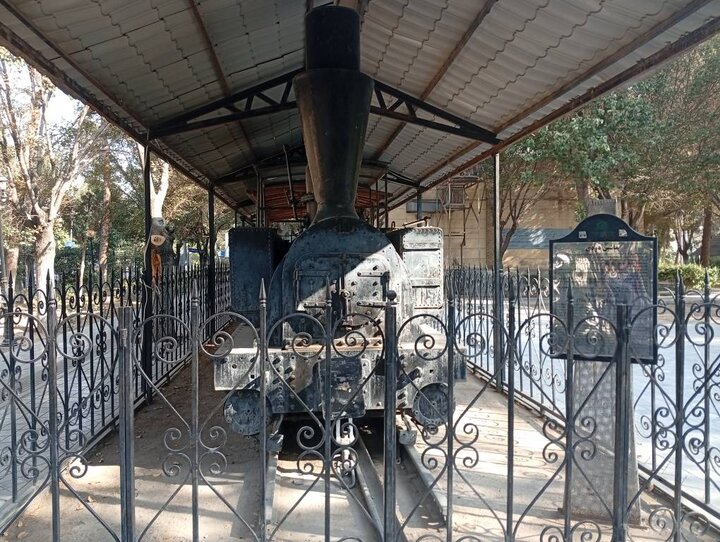
The Mashin Doodi railway remained in operation for decades, until regular services ended in 1962, when more modern forms of transport began to take its place. Its story did not end there, however. In 2018, sections of the old railway were rediscovered during construction work in Rey. Restoration efforts later helped preserve parts of this heritage, including a Qajar-era locomotive, which now attracts visitors interested in Iran’s early railway history.
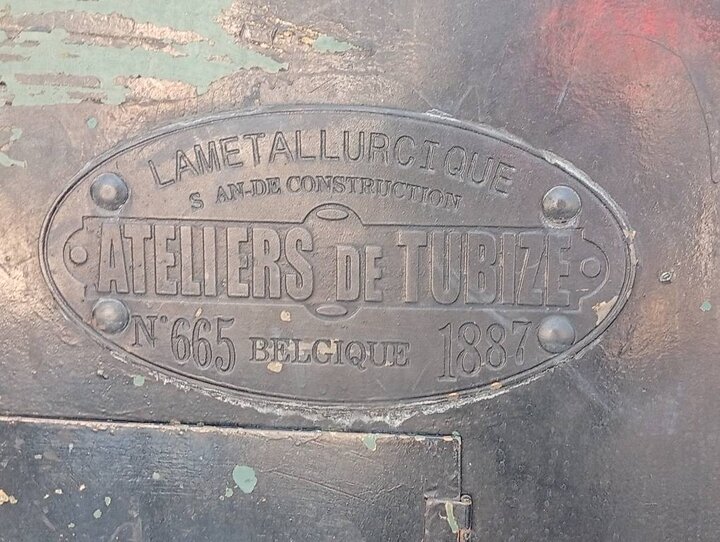
The story of Khorasan station is part of this wider period of change. Historical accounts describe how French specialists studied possible railway routes and locations for the station before the project received approval from the Qajar court. Building the railway was not easy. Workers and engineers faced financial problems, shortages of materials and equipment, and technical difficulties in laying tracks and constructing bridges and small tunnels.
The station building itself reflected a mix of Iranian and European influences. Brickwork, high arches, spacious halls and decorative details gave it a distinctive character, while its design served the practical needs of a modern railway.
As Tehran expanded and passenger numbers grew, the railway facilities changed over the years. Eventually, after railway services ended, the historic site found a new purpose as a cultural venue.
Connecting Tehran’s past with its cultural present
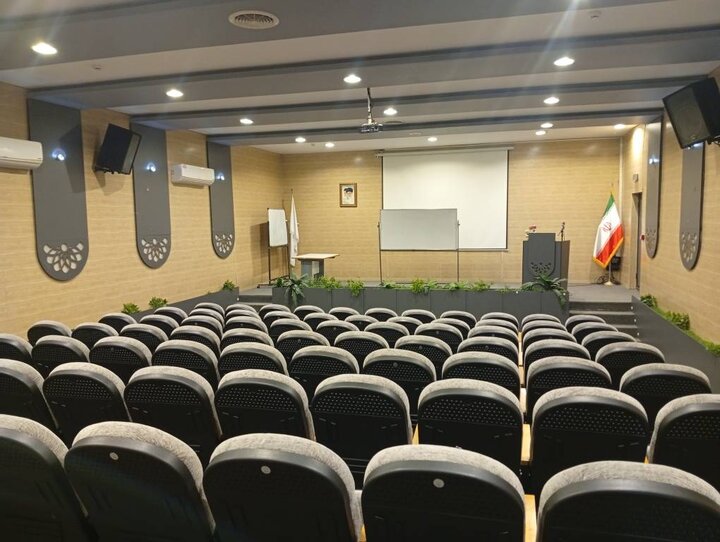
Today, Farhangsara-ye Khorasan gives the historic area a new lease on life. Instead of being just a reminder of an earlier era, it has become a place where people can gather for cultural events, learn new skills and enjoy artistic activities.
For an ordinary visitor, that combination is what makes the center worth discovering: it is a place to take part in cultural life today while getting a glimpse of Tehran’s past.
AM
Disclaimer : This story is auto aggregated by a computer programme and has not been created or edited by DOWNTHENEWS. Publisher: tehrantimes.com