
As the debate surrounding the controversial 2026 F1 regulations rumbles on, the man tasked with implementing them has spoken out.
FIA single-seater director Nikolas Tombazis did not propose the near 50/50 split of electrical power to internal combustion engine output which lies at the heart of the latest regulations, but it was his team which had to turn the concept into a raceable reality.
That process has required all manner of compromises to mitigate the inherent challenges involved in managing the deployment and recharging cycles of that electrical energy.
In a roundtable call with select media including Motorsport.com ahead of the Miami Grand Prix, Tombazis echoed the sentiments expressed by F1 CEO Stefano Domenicali in an exclusive interview with this website two weeks ago. Without pointing the finger of blame at the automotive manufacturers involved in F1, he conceded that their market priorities at the time effectively dictated the 50/50 principle.
Since it’s widely acknowledged that the fundamentals of the next technical formula need to be agreed this year, the stakeholders need to avoid another scenario in which market priorities change before they are implemented.
“It is true the political landscape has changed and back when we discussed the current regulations, the automotive companies who were very involved told us that they’re never going to make another [new] internal combustion engine again,” said Tombazis.
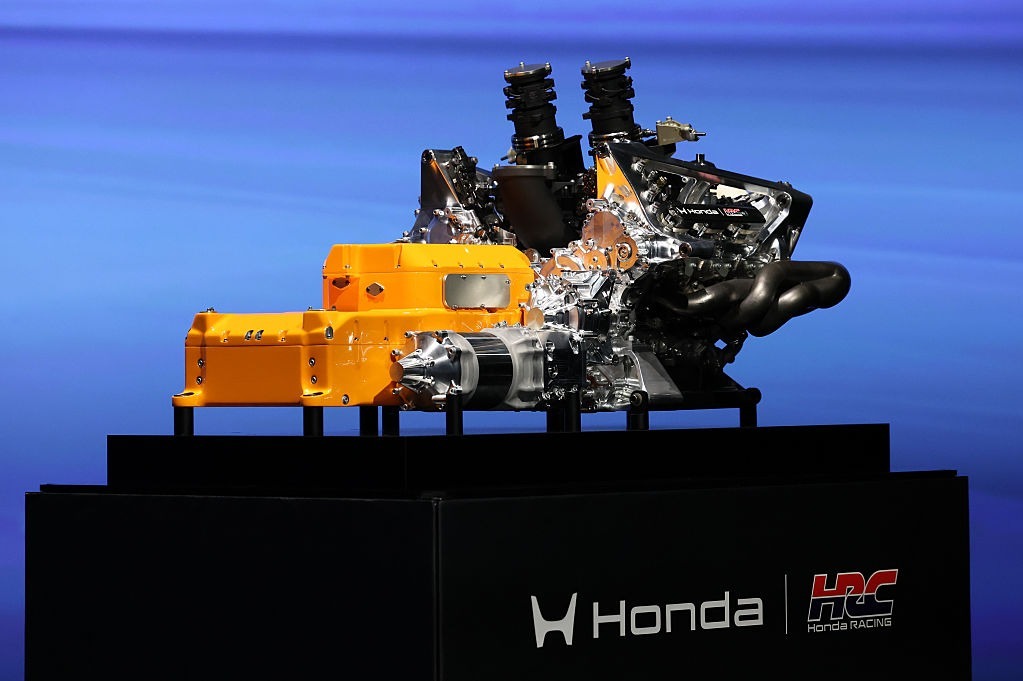
Honda has quit F1 and come back four times since the 1960s.
Photo by: Takashi Aoyama/Getty Images
“They were going to phase out and by whatever year they were going to be fully electrical.
“Obviously this hasn’t happened. That’s not to underestimate the importance of electrification globally but it didn’t happen as much as said. Secondly, one of the not frequently discussed stories because it’s not something visible, is that we did go for fully sustainable fuels. And I think that’s a reasonably good outcome.
“In terms of where we want to be in the future, we do need to protect the sport from the world macroeconomic situation, meaning we cannot be hostage to automotive companies deciding to be part of our sport or not.
“We want them to be part of our sport, absolutely – that’s why we’ve worked so hard to secure new ones to participate. But we can also not be in a position where if they decide they don’t want to, we’re suddenly left vulnerable, so we need to keep working for cost reduction.
“And then finally, if we are to change anything for the next cycle, we need to start discussing it very soon because the time it takes to make a power unit and an engine and all that is quite long. So, yes, it may sound a bit strange to be discussing these matters only a few races after we’ve started but that is the natural cycle of the discussion and when it needs to take place.”
When the 50/50 principle was agreed in the summer of 2022, full electrification of the automotive industry’s products was seen as a case of ‘when’ rather than ‘if’. Many governments worldwide were committed to legislating the internal combustion engine out of existence.
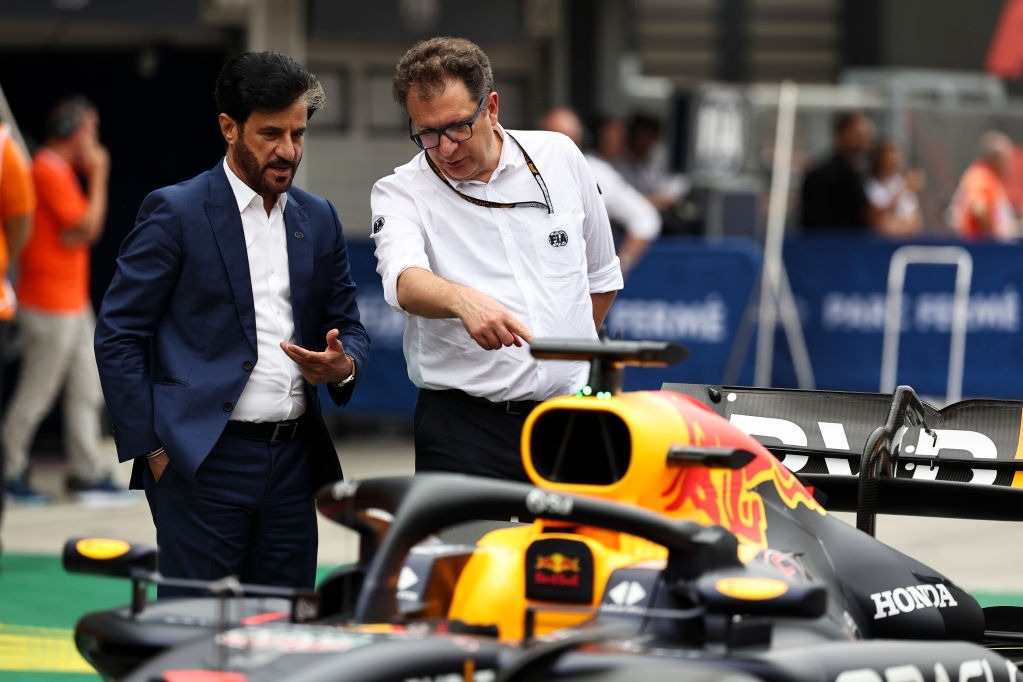
FIA single-seater director Nikolas Tombazis (right) with his boss, FIA president Mohammed ben Sulayem.
Photo by: Getty Images
But the uptake of EVs has met with consumer resistance in many markets, and it has become clear that full electrification is not achievable within the time frames originally envisaged. In parallel with this, the development of sustainable fuels has granted the ICU a potential lifeline – to the extent that many automotive manufacturers are rowing back on their commitment to electrification.
The question facing those who will shape the next set of F1 technical regulations is whether the market will change again between now and when the next rules come into effect, currently planned to be 2031. Making power units less expensive to develop and produce would not only aid arguments at board level within the automotive companies to remain involved, it could also open the door to independent manufacturers.
As a side effect it could also reduce the car manufacturers’ influence on more detailed aspects of the rules, such as permissible materials within the engines. This, reading between the lines, is an outcome both F1 and the FIA regard as highly desirable.
We want your opinion!
What would you like to see on Motorsport.com?
– The Motorsport.com Team
Disclaimer : This story is auto aggregated by a computer programme and has not been created or edited by DOWNTHENEWS. Publisher: motorsport.com



