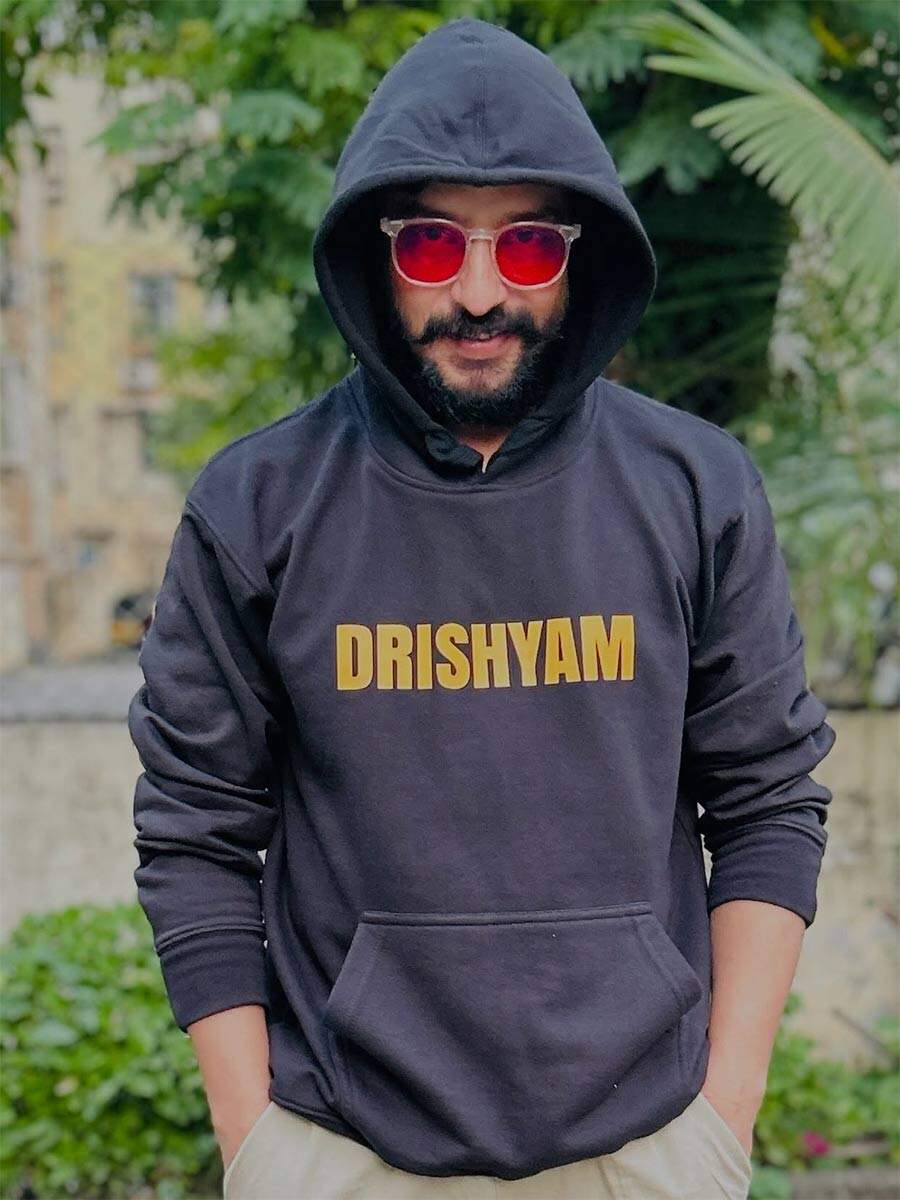
In the world of Drishyam, everyone who takes on Vijay Salgaonkar ends up chasing shadows. Nishant Singh’s Shiv Kulkarni is no exception. Introduced as an undercover cop in Drishyam 2 and given a deeper backstory in Drishyam: The Conclusion, Shiv has grown from a mysterious presence into a man with a past, a plan and a wife.
Nishant, who hails from Bihar, trained at Mumbai University’s Academy of Theatre Arts and cut his teeth in theatre, a 73-episode daily soap, films and web series. In this conversation with Filmfare, he talks about finding a Goan-Maharashtrian rhythm far from his own roots, resisting the urge to rewrite scenes as a writer-director himself, and playing conviction instead of worrying about looking foolish.
You’ve played Shiv Kulkarni in both films. Did he grow on the page between the two, or did you build the growth yourself?
Yes, the character definitely grew between the two films, Drishyam 2 and Drishyam: The Conclusion, and I think that growth was very thoughtfully written. Shiv Kulkarni remains undercover until the interval in Part 2, and when his identity is finally revealed, it opens up an entire backstory. We discover that he has been bugging Vijay for two years, which gives us a much deeper understanding of his character and the larger plan he has been part of.
In The Conclusion, we explore his past further and learn how he acquired the plot while working as a real estate agent. So, it wasn’t something I had to build entirely on my own as an actor; the writing itself gives Shiv a well-defined journey across the films. Even his relationship with Jenny, who is now his wife, adds another dimension to his life. When you look at both films together, you realise there’s a whole journey to Shiv’s character beyond what we initially see, and that’s what makes him so interesting to play.
You’re a writer and director too. When you read Drishyam’s script, did you catch yourself editing it in your head? Did you ever pitch a line or beat to Abhishek or Aamil?
No, not really. I was having too much fun living the character. I was very conscious of the fact that I was there as an actor, and I wanted to focus on that and give my best to Shiv Kulkarni. Of course, when you have a creative mind, thoughts and ideas do come to you, and I would sometimes find myself thinking about things from a writer’s perspective. But I enjoyed those thoughts in my own head rather than bringing them to the table.
Having said that, I did joke around with Ajay sir, Abhishek sir, Aamil, Tabu ma’am and Prakash Raj sir that I wanted to change sides! I mean, no matter how hard you work, Vijay Salgaonkar always wins. But that was all in good humour. Abhishek sir, Aamil and the entire crew have created something really special, and I was happy to trust their vision and enjoy the process of being an actor on this film.
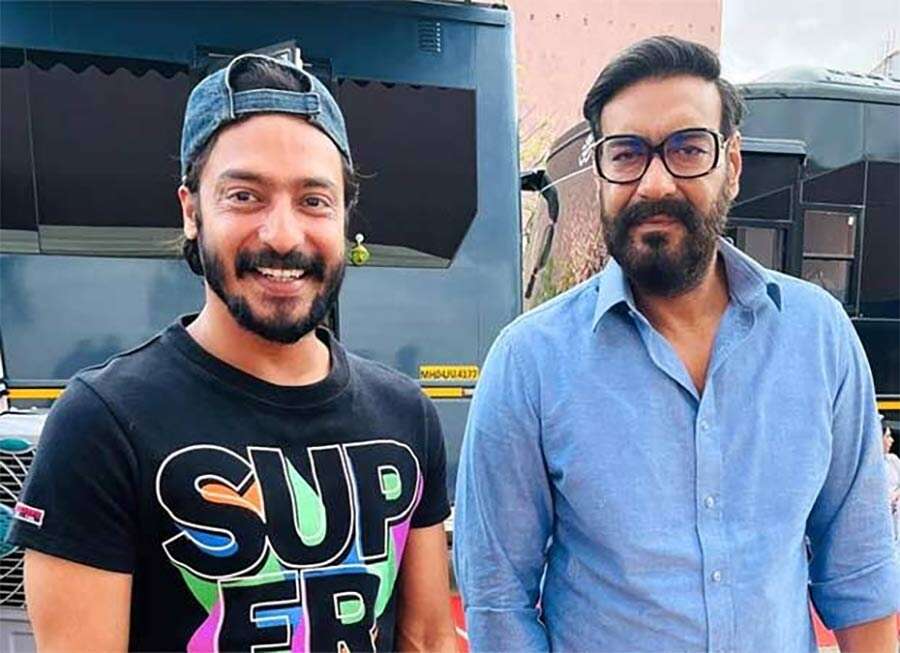
You come from Bihar, and Shiv is a cop in a Goan-Maharashtrian world. How did you find his body language, accent and rhythm when it’s so far from your own background?
Well, that’s our job as actors, isn’t it? To become someone who might be very different from who you are in real life. But I must give a big thank you to the Academy of Theatre Arts, Mumbai University, where I did my Master’s in Acting. The professors, my batchmates, hostel mates, seniors and the entire training environment brought me much closer to Marathi culture. Living around people, listening to them and speaking with them helped me pick up the language naturally.
I also played Sambhaji in a Marathi play called Raigadala Jevha Jaag Yete. While preparing for the role, I read extensively about him, including two Marathi books recommended by Aniruddh Khutwad sir. That experience really helped me understand the language, Marathi characters and Maharashtra as a whole.
I’ve always been drawn to new things, whether it’s a new language, culture or art form, and, touchwood, I tend to pick them up quite quickly. I have also worked in a Marathi play called Kaay Danger Vaara Sutla Aahe, and we did around 60 shows of it. I even speak a particular rural Marathi dialect, which I picked up along the way. I’m grateful that my journey has exposed me to so many different worlds because, as an actor, all these experiences eventually find their way into your performance. With Shiv, it was about observing, absorbing and then finding his own rhythm and body language rather than imitating someone.
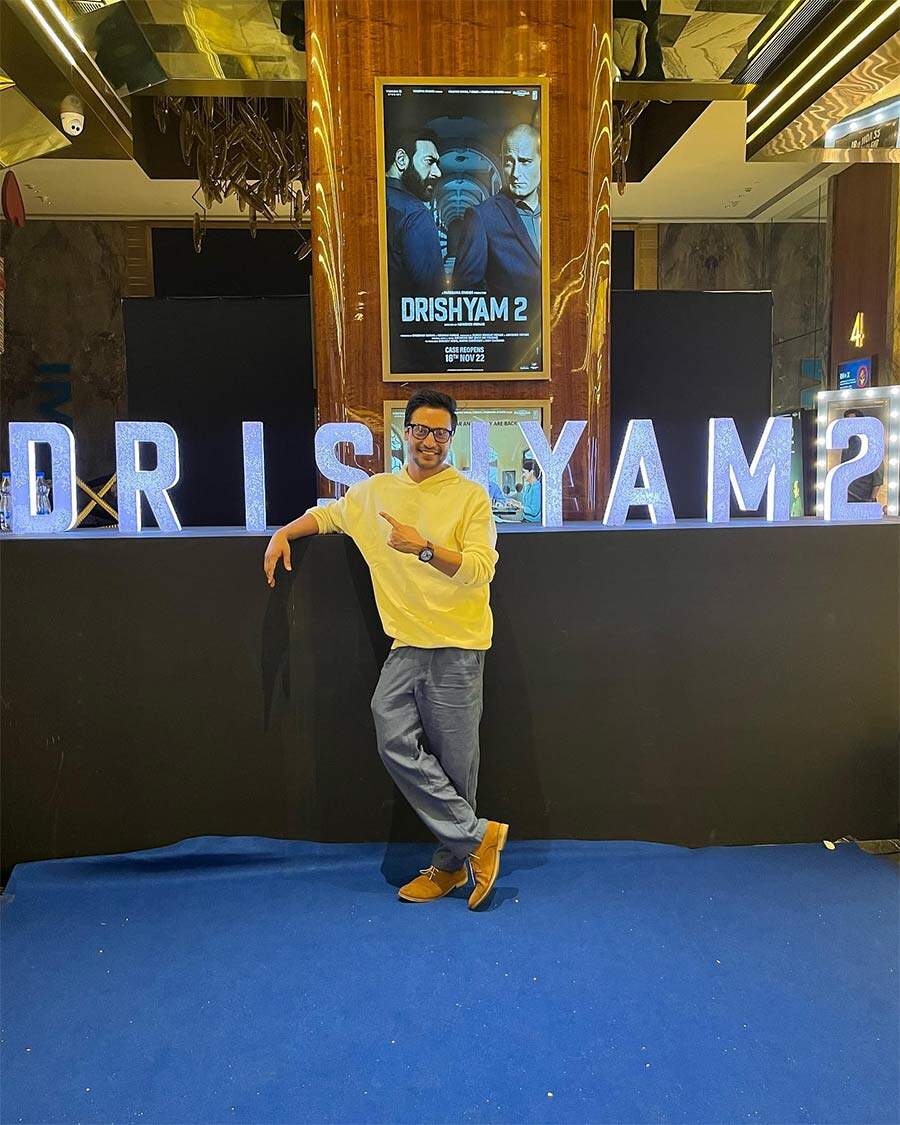
You’ve done a 73-episode daily soap, films and web series. Where did you learn the most about acting, and what did the long TV grind teach you that a film set doesn’t?
I don’t think learning has anything to do with the platform. You learn every day, every moment, from everyone around you, on every set, while living each character and working with different people. I think the most important thing is to remain a student and be grateful for every experience.
Since I started with theatre, I would say that theatre taught me the most in terms of understanding the soul of acting. It introduced me to the craft. Then, when you stand in front of a camera for the first time and watch your own take, you begin to understand how the camera sees you and how your performance is eventually captured and delivered to the audience. I personally love working with the camera because I feel it can see your soul through the lens.
I don’t really like comparing television, films and web series because each medium has its own demands. But if I had to say what television taught me, it would be speed and consistency. Working on a daily soap teaches you to prepare quickly, deliver continuously and still remain connected to your character, even when the pace is demanding. That discipline stays with you, no matter which medium you work in.
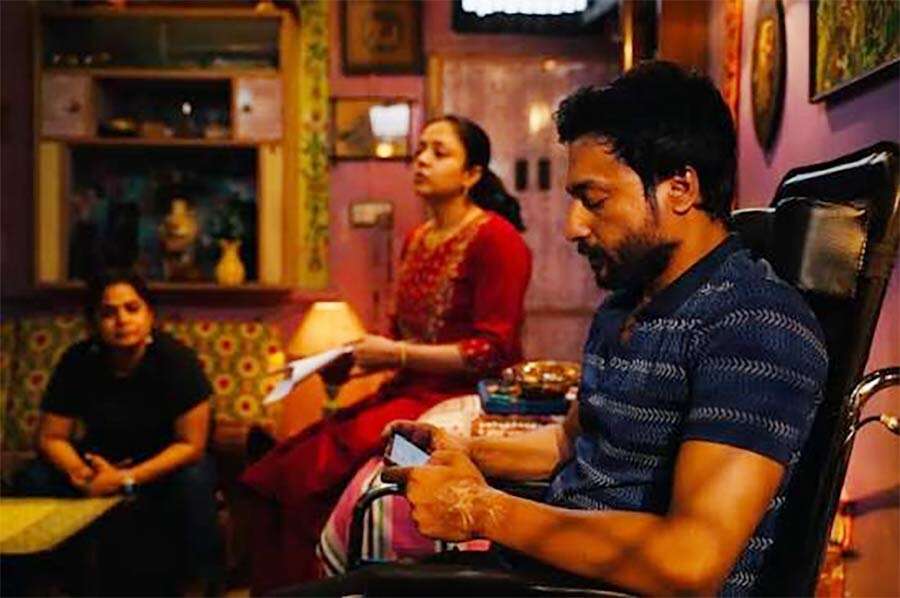
In a film where the audience always knows a bit more than the police, how do you play a man who’s one step behind without making him look foolish?
I think anyone who comes up against Vijay Salgaonkar is bound to look foolish at some point, be it Tomar(Jaideep da’s character), Shetty(Prakash sir’s character, Meera Deshmukh(Tabu mam’s character) or anyone else. But that’s the fun of Drishyam. The film is not so much about what happens as it is about how it happens.
The same applies to Shiv. How does he enter Vijay’s life? How does he bug the entire house? How does he conceal his identity as a real estate agent? How does his true identity come out, and how does Vijay eventually outsmart him, just as he does the other officers and characters who come after him? That’s where the real game lies.
So, while playing Shiv, I’m not really worried about whether he will fail or end up one step behind Vijay. I’m focused on being true to the character and doing whatever Shiv believes is necessary to catch Vijay for the crimes he is investigating. As an actor, if I start worrying about whether my character looks foolish, I’m looking at him from the outside rather than living his reality. If Shiv is outsmarted, that’s part of the story, and the way it happens is what matters to the film. The audience gets to enjoy the cleverness of Vijay’s moves, while I get to live Shiv’s conviction and his pursuit of Vijay.
Shiv Kulkarni may never get the better of Vijay Salgaonkar, but Nishant Singh has clearly won something bigger. By trusting the writing, staying a student of every medium and living Shiv’s conviction rather than judging him, he has turned a man who is always one step behind into one of the franchise’s most memorable pursuers. In a series where the fun lies in how things happen rather than what happens, Nishant’s Shiv proves that the chase can be just as gripping as the win.
Also Read: Ranbir Kapoor, Sidharth Malhotra, Arjun Kapoor, Abhishek Bachchan want revenge
Disclaimer : This story is auto aggregated by a computer programme and has not been created or edited by DOWNTHENEWS. Publisher: filmfare.com