
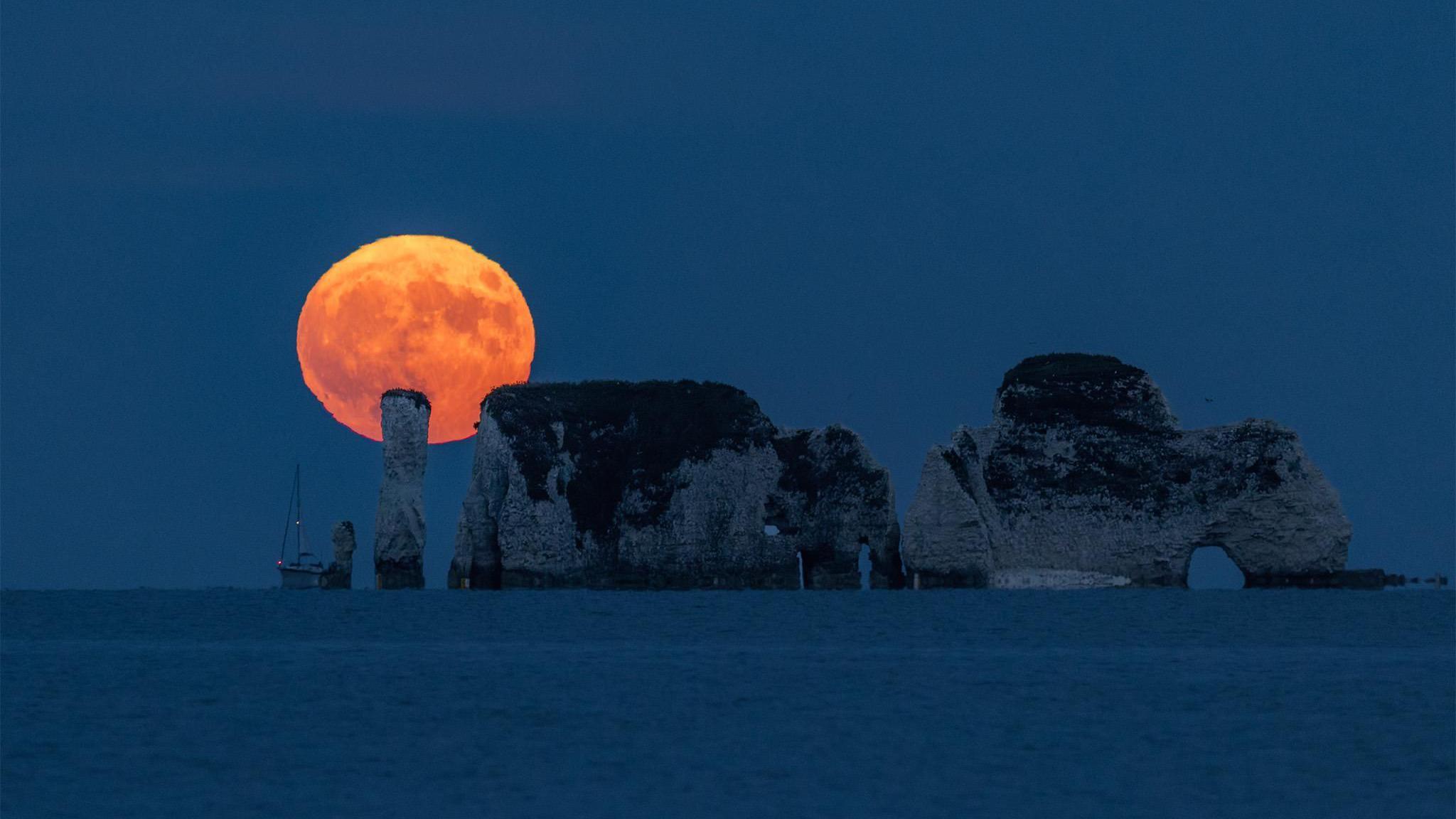
Full Strawberry Moon captured over the UK in stunning photos
-
Published
The summer’s first full Moon – known as the Strawberry Moon – lit up UK skies in the early hours of Tuesday morning.
Skygazers have captured stunning photos of the celestial event, which reached its peak at 00:57 BST.
In the northern hemisphere, June’s full Moon is different from others in the calendar year as it is the lowest-hanging in the sky.
This means it sits closer to the horizon causing something known as the Moon illusion, a phenomenon where the Moon appears larger than when it is positioned high in the sky at other times of the year.
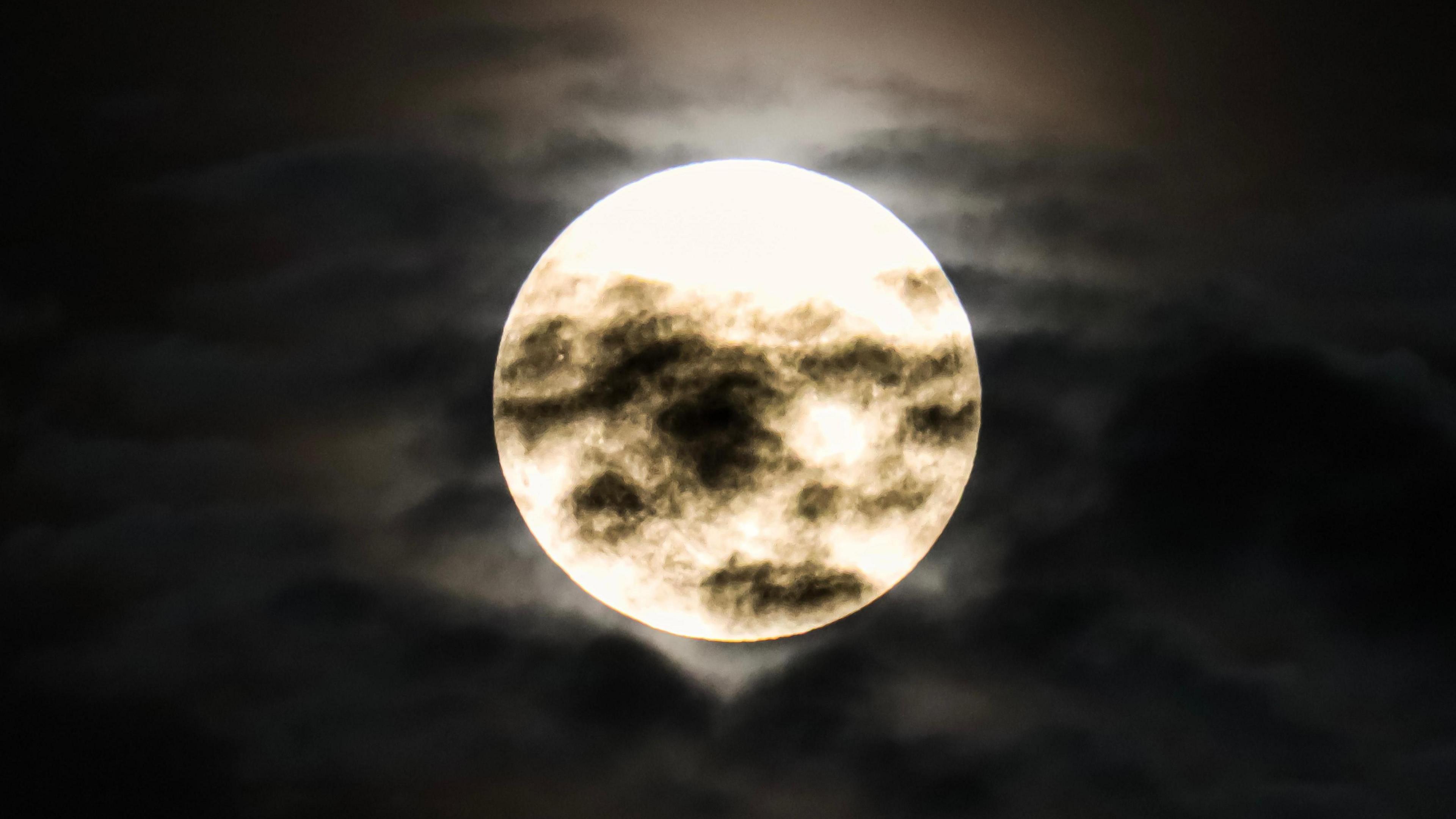 Image source, BBC WEATHER WATCHERS / NICHOLAS
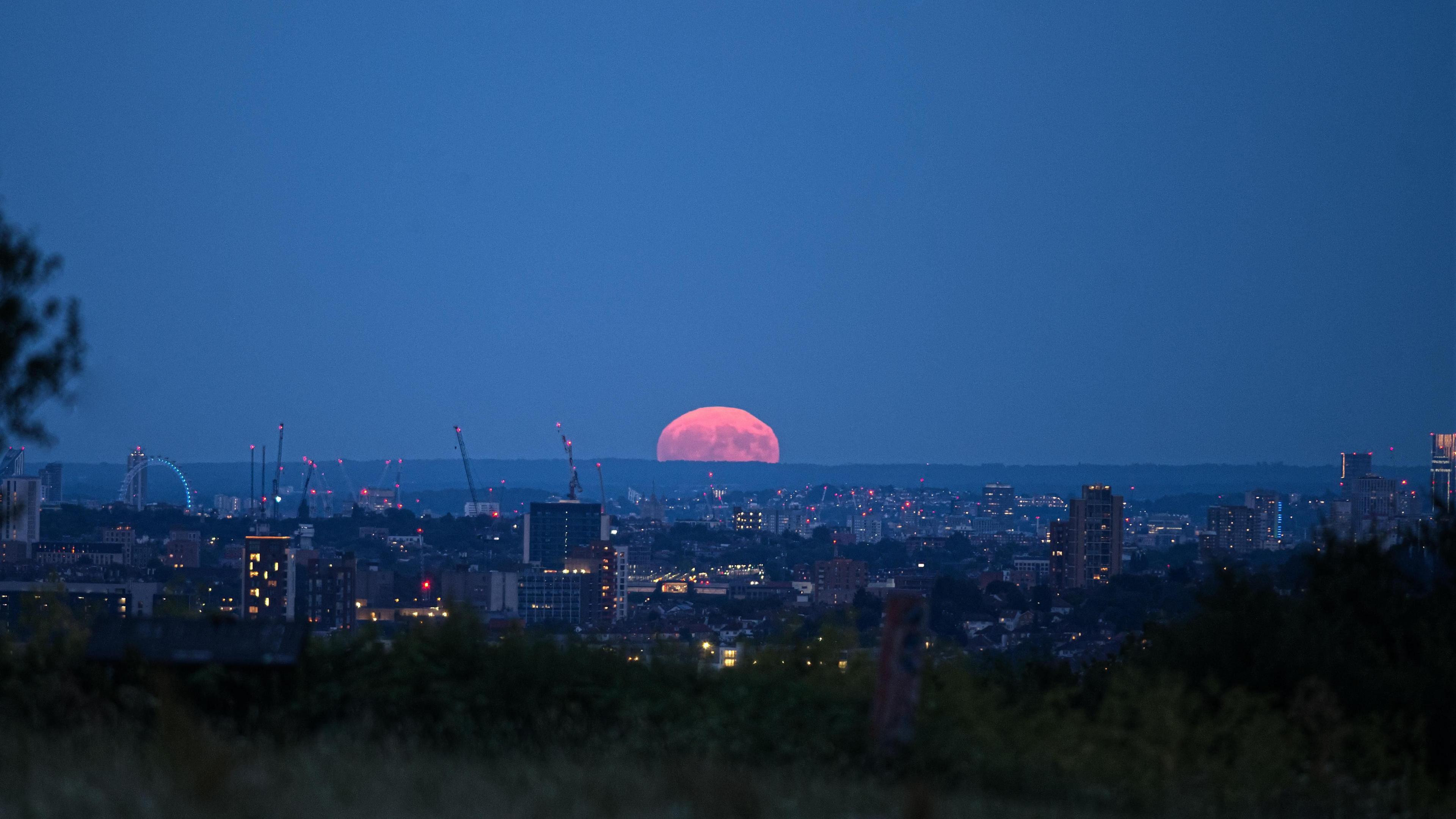 Image source, WEATHER WATCHERS / DARSH_CAPTURES
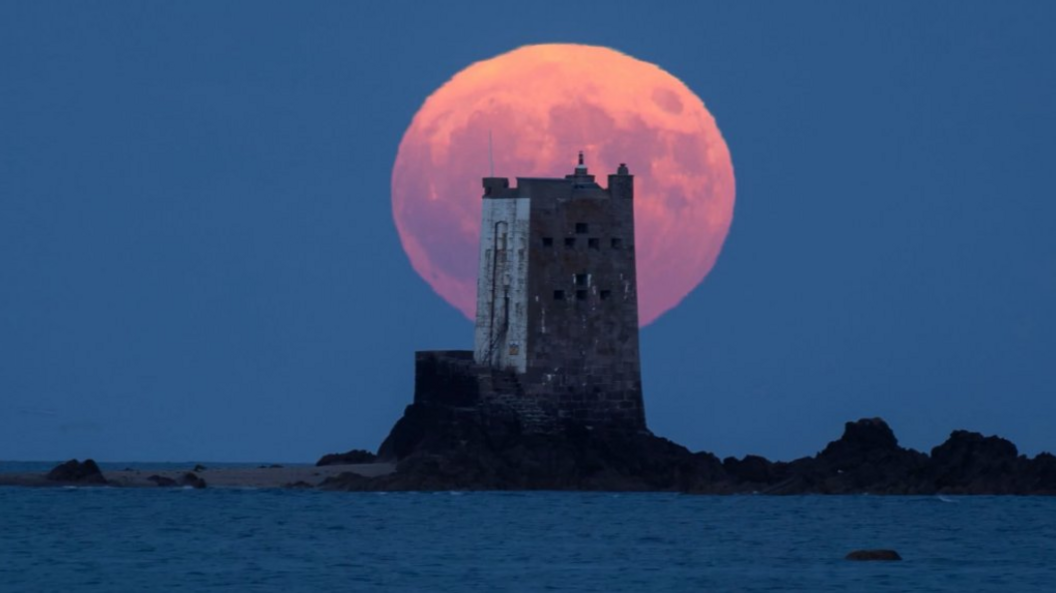 Image source, MATTHEW MUTTOCK
Why is it called a Strawberry Moon?
The Strawberry Moon is the name given to the full Moon in June.
This is to do with the time of year that it rises, rather than its actual colour.
Named after the harvest season observed by indigenous Americans, it signalled the time of year that wild strawberries were harvested, according to the Old Farmer’s Almanac.
Historically, full Moons were given nicknames to help keep track of time and monitor the changing seasons.
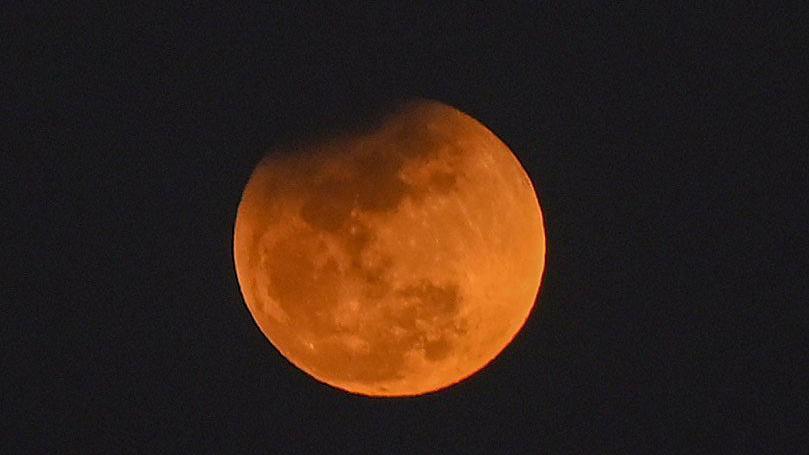
When the Moon does appear pink, red or orange, it is often because of the atmospheric conditions, external.
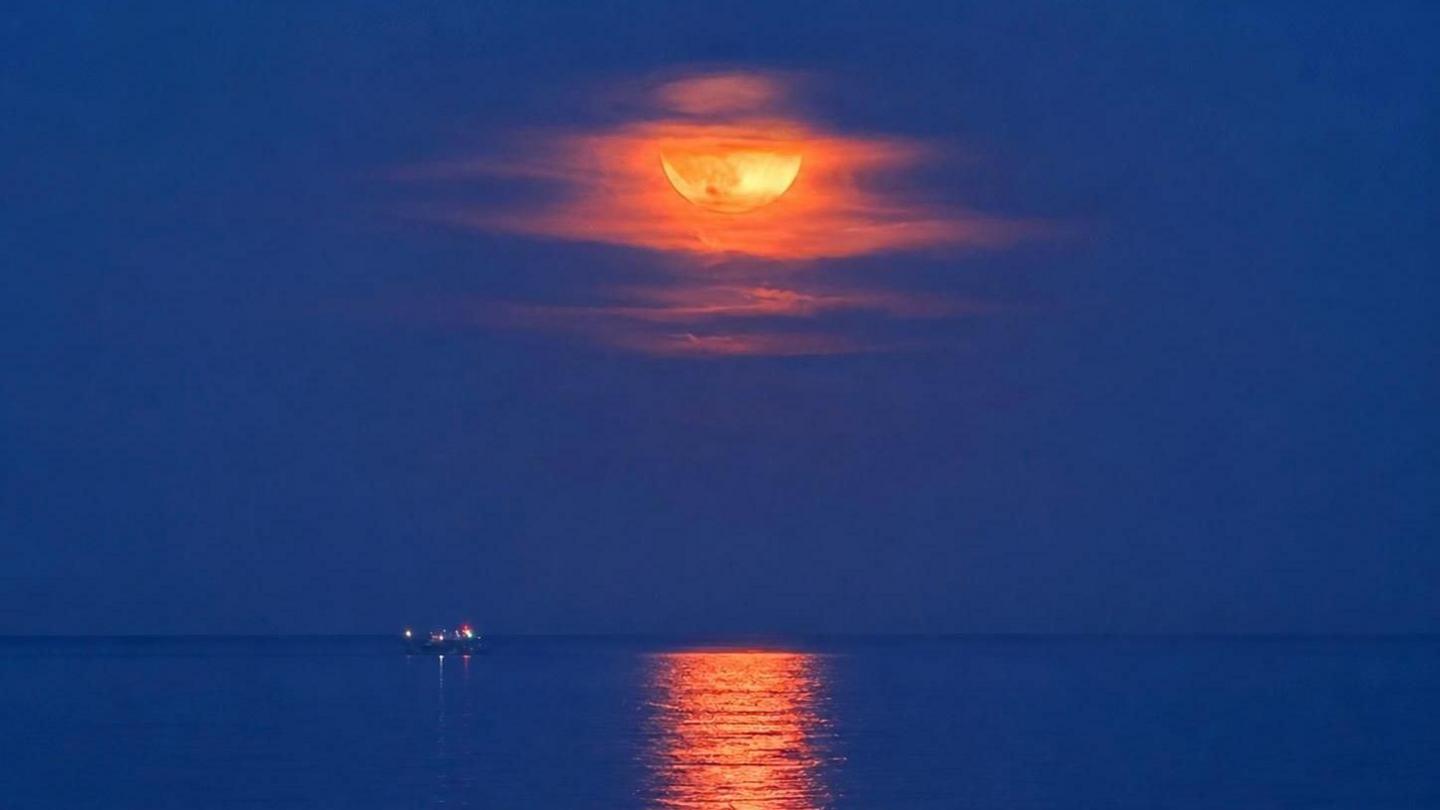 Image source, WEATHER WATCHERS / VAUDS
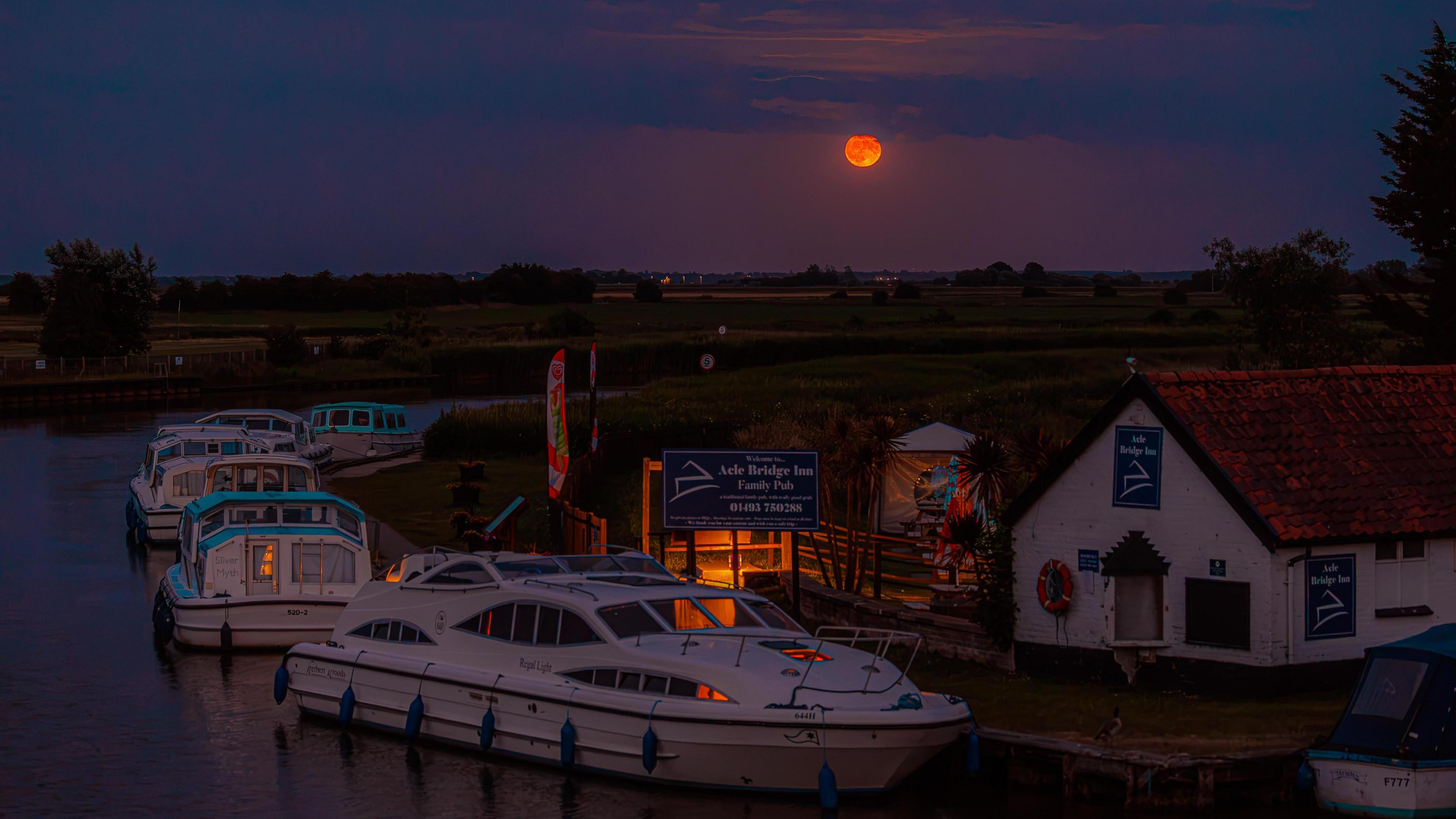 Image source, WEATHER WATCHERS / BOBLET
When is the next full Moon?
If you missed your opportunity to see the full Moon at its peak, it will appear full again on Tuesday night.
After this, there are two more opportunities to spot a full Moon throughout meteorological summer.
The Buck Moon – named after the time male deer sprout new antlers – will rise on 29 July.
This will be followed by the Sturgeon Moon – named after the freshwater fish caught by Native Americans in the Great Lakes – on 28 August.
-
-
Published6 June
-
-
-
Published13 hours ago
-
Disclaimer : This story is auto aggregated by a computer programme and has not been created or edited by DOWNTHENEWS. Publisher: newsrss.bbc.co.uk





