German economic growth slowed in the second quarter but less than expected given the impact of the Middle East war, according to provisional figures released on Thursday.
Output in the EU’s top economy rose 0.2 percent compared with the first three months of the year, statistics office Destatis said, 0.1 percentage point higher than predicted by analysts polled by financial platform FactSet.
Destatis also revised first-quarter growth upward to 0.4 percent.
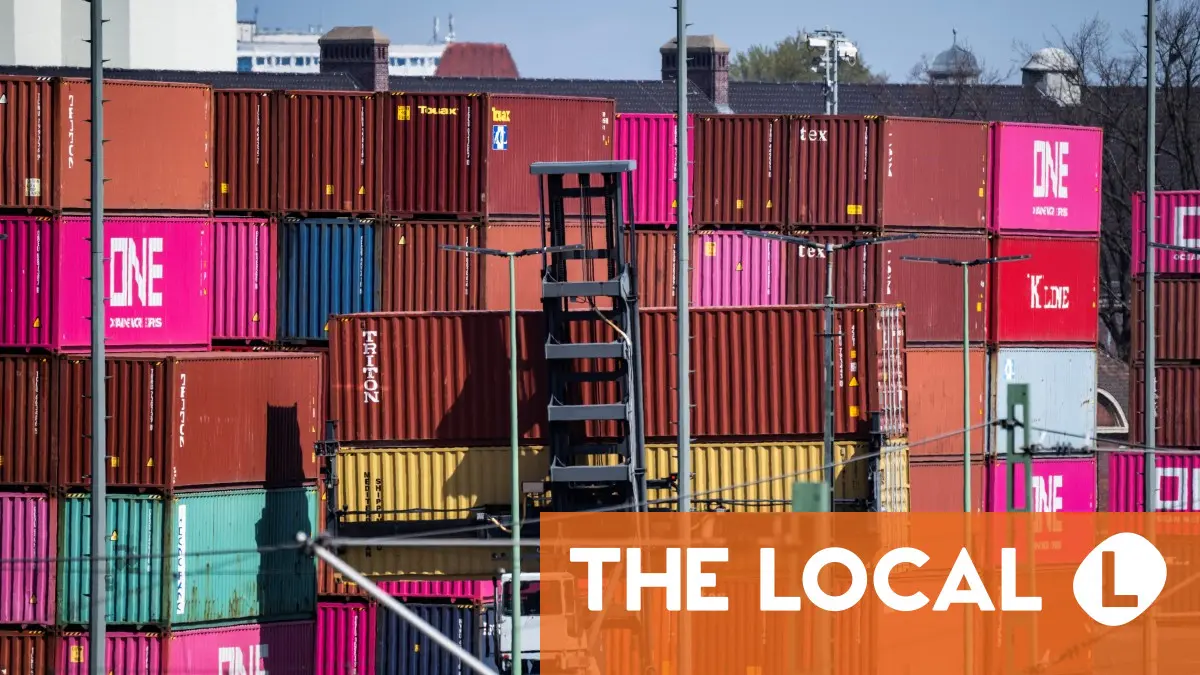
Growth was driven by higher exports, Destatis said, while consumption and investment were subdued.
“It’s almost too good to be true: the German economy defied the fallout from the war in the Middle East,” ING bank analyst Carsten Brzeski said.
“Still we must put this into perspective,” Brzeski added, noting that growth had been poor for years. “The size of the German economy is still smaller than in late 2022.”
Struggling with weak demand and high costs at home as well as US tariffs and increasingly competitive Chinese exports abroad, Germany was already in the doldrums even before the US-Israeli war against Iran hit business sentiment and sent energy prices surging.
The economy has barely grown since a burst of pent-up pandemic demand at the end of 2022.
“Slight growth is an important signal but no sign of a real shift,” Dominic Deller, CFO of valve-maker Samson told AFP.
“Industry is still feeling the impact of costs pressure, bureaucracy and geopolitical uncertainty.”
Though Chancellor Friedrich Merz has promised to borrow and spend hundreds of billions in a bid to revamp creaky infrastructure, some economists have warned that money alone will do little without potentially painful welfare reforms and deregulation.
“The economy still needs more reforms that improve international competitiveness, a clear plan for affordable energy and more direct incentives, e.g. tax cuts, to boost domestic demand,” Brzeski said.
Disclaimer : This story is auto aggregated by a computer programme and has not been created or edited by DOWNTHENEWS. Publisher: thelocal.de