
The federal cabinet has approved sweeping health reforms aimed at saving billions. From higher medication costs to changes for families and a new sugar tax, the impact for German residents could be significant.
Germany’s long‑debated healthcare reform was approved by the federal cabinet on Wednesday.
Families with non‑working partners, people who rely on regular medication and higher earners with statutory insurance cover are likely to feel the changes most.
While the cabinet decision does not yet make the reforms law, it does at least signal that members of the governing coalition – the conservative Christian Union parties (CDU/CSU) and the centre-left Social Democrats – have reached agreement after weeks of public wrangling.
But opposition parties did not waste time before criticising the package. Ates Gürpinar, health policy spokesperson for The Left, told Der Spiegel that the reforms were a joke.
“What is being sold to us here as ‘stabilisation’ is in reality a program of redistribution to the top.” For the insured, the new reality is: “Pay more, wait longer, receive worse treatment,” he said.
While experience suggests there could still be some last‑minute fighting as the bill navigates votes in the Bundestag and Bundesrat, current plans anticipate that most measures will take effect in 2027.
Here’s a look at what the changes mean for people living in Germany with public health insurance.
Families and spouses
One of the most controversial changes affects family co‑insurance. Until now, non‑working spouses have often been insured free of charge under their partner’s statutory policy.
But under the approved draft, insured employees whose spouses are currently co‑insured will have to pay an additional 2.5 percent contribution surcharge in future.
READ ALSO: How Germany’s public health insurance shake-up will affect families
Earlier plans for a 3.5 percent surcharge were reportedly dropped following pressure from the SPD. Children, parents of young children, people caring for relatives, retirees and families with children under seven will remain exempt.
SPD politicians have indicated they would still like to secure further improvements for families during the parliamentary process, according to a report by ARD.
High earners in the statutory system will also take a hit because of one-time increase in the contribution assessment ceiling by €300.
Sick pay cuts walked back
A general cut to statutory sick pay was originally on the table but has now been dropped. Sick pay will remain at its current level, meaning those on long‑term sick leave will continue to receive 70 percent of their gross salary after six weeks.
But a new “partial sick leave” model is also reportedly in the pipeline, which would allow employees to return to work at 25, 50 or 75 percent capacity while still officially ill.
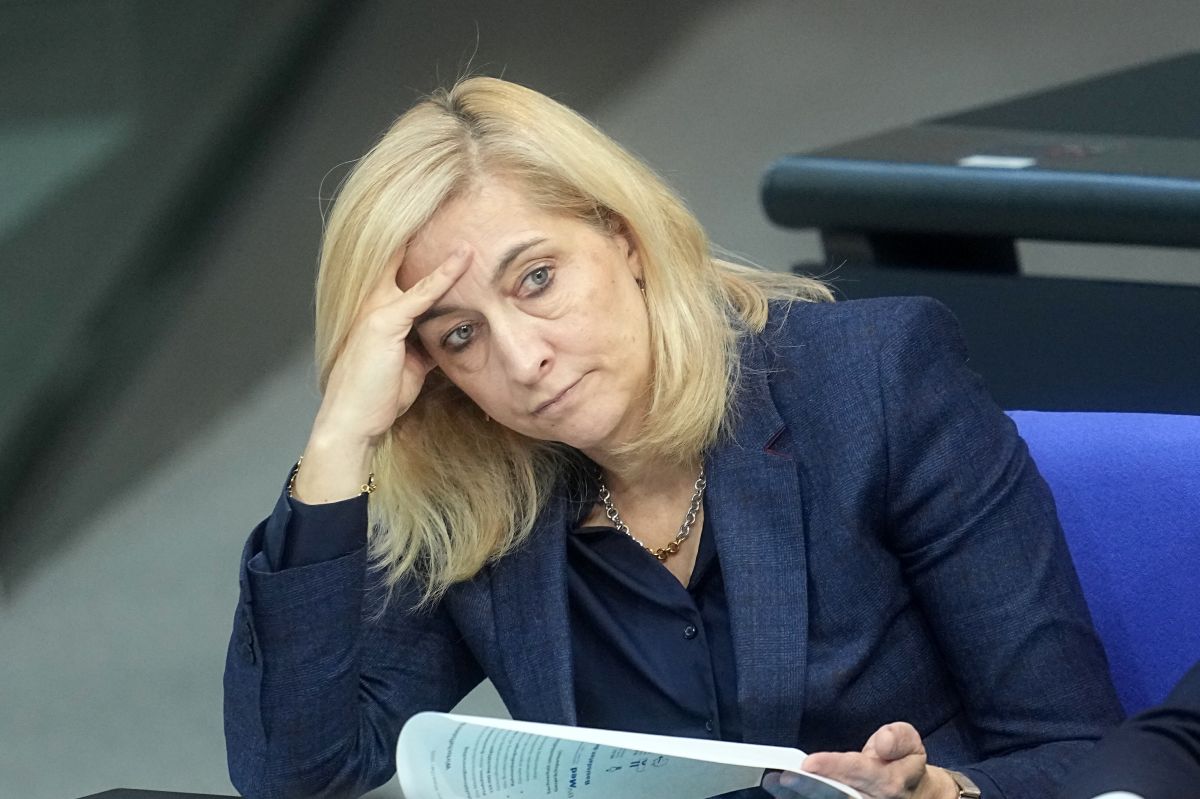
Nina Warken (CDU), Federal Minister of Health, sits in the government bench in the Bundestag. Photo: picture alliance/dpa | Michael Kappeler
Higher medication costs and reduced benefits
For many insured residents, the most immediate impact will be higher co‑payments for prescription medicines. The minimum co‑payment is set to rise to €7.50 per prescription, with a maximum of €15, up from €5 to €10 previously.
The annual cap on payments for insured individuals is set to remain at two percent of gross income — or one percent for the chronically ill. In theory, this means that someone earning €40,000 gross could now pay up to €800 per year out of pocket for medicines, according to a report by Mercur.
Coverage for homeopathy and cannabis flowers will be scrapped, while subsidies for dentures are set to be reduced. Skin cancer screenings every two years remain under review.
READ ALSO: What does public health insurance really cover at the dentist in Germany?
Sugar tax
After years of resistance, a tax on sugar‑sweetened drinks is set to be introduced from 2028. The tax is expected to raise around €450 million annually, which the government says will help relieve the health insurance system.
SPD politicians and health experts support the move as a public‑health measure, while parts of the CDU previously opposed it. Consumer groups have welcomed the tax but warn it will only be effective if revenue is channelled into preventative health measures.
READ ALSO: How can I claim bonus rewards from my German health insurance provider?
Basic income recipients and tax funding
One of the less visible but most politically sensitive parts of the reform concerns who pays for healthcare for people receiving long-term unemployment income benefits (currently known as Bürgergeld).
In practice, it is statutory health insurers – and therefore their members – who pick up much of the bill.
At present, the federal government pays a flat‑rate contribution of €144 per person per month for basic income recipients. However, experts estimate that the real cost of their healthcare is closer to €311 per person per month. The gap – around €12 billion a year – is effectively covered by the statutory health insurance system.
People with private health insurance do not contribute to this financing at all.
Under the cabinet‑approved plans, the federal budget will contribute an additional €250 million next year, with that amount set to rise gradually over time. But experts and many politicians say this is still far below what would be needed to really cover the costs.
Complicating matters further, the reform also proposes cutting overall federal subsidies for statutory health insurance – from €14.5 billion to €12.5 billion per year. In other words, while the state will pay slightly more for basic income recipients, it will simultaneously reduce support elsewhere in the system.
This issue has been one of the sharpest points of conflict within the governing coalition, with the SPD arguing that healthcare for basic income recipients should be paid out of general tax revenue – meaning everyone pays, including privately insured individuals.
OPINION: Germany’s fuel crisis response shows the government has lost its mind
Disclaimer : This story is auto aggregated by a computer programme and has not been created or edited by DOWNTHENEWS. Publisher: thelocal.de



