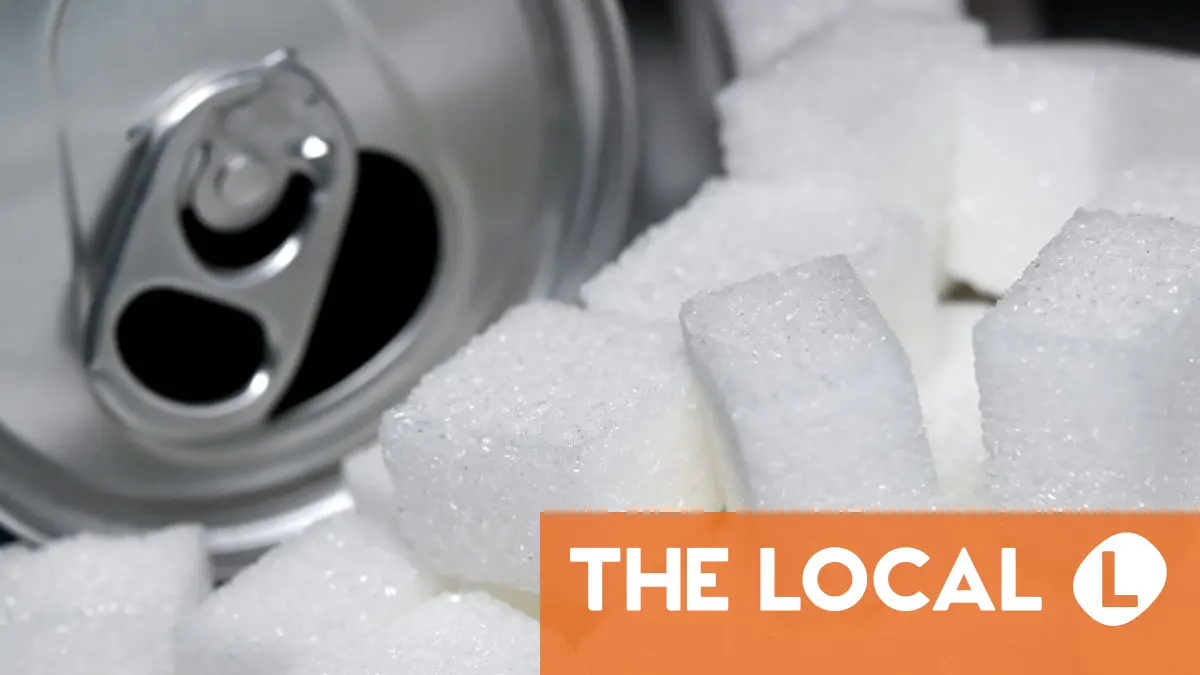
Soft drinks with high sugar content could be more expensive in Germany from mid-2027 under a new tax that was approved by federal leaders on Wednesday.
The Federal Cabinet on Wednesday approved the draft law for a new sugar tax which would push up the price of juices, sodas and other sweetened drinks for consumers with the aim of improving health and raising money.
Approval of the tax proposal comes after weeks of public disagreements and last-minute interventions from the Chancellor’s Office.
Under the compromise, sugary drinks containing at least five grams of sugar per 100 millilitres would be taxed at a rate of 26 cents per litre. Drinks containing eight grams or more per 100 millilitres would face a higher rate of 32 cents.
The tax will be levied on manufacturers, who can decide whether to pass all or some of it on to consumers or moderate the sugar content of their products.
Smaller manufacturers producing less than one million litres of sugary drinks per year would be exempt.
The levy would take effect from July 1st, 2027, according to the current plans. The proposal would still have to complete the legislative process (i.e. pass the Bundestag) before becoming law.
What’s the purpose of the tax?
Backers of the tax say it may improve public health, and also creates much needed income for Germany’s public health insurance system.
Finance Minister Lars Klingbeil, who has led the charge on bringing the new levy, suggests that making highly sugary drinks more expensive will encourage manufacturers to cut sugar levels in their products and help reduce excessive sugar consumption, particularly among children.
The second goal is financial. The federal government expects the tax to raise hundreds of millions of euros annually, with projected revenues rising from around €690 million in 2027 to €925 million in 2028 under the latest compromise.
The money is to be used to keep contributions for statutory health insurance stable.
READ ALSO: What is Germany’s proposed sugar tax and how would it work?
The tax is reportedly modelled on the United Kingdom’s sugar levy, which has been in force since 2018. In Britain, the graduated system – whereby more sugary drinks are taxed more heavily – reportedly led many manufacturers to change their recipes in order to avoid higher tax brackets.
As a result, the sugar content of British soft drinks fell by around one‑third on average, and in some cases by as much as 50 percent.
The new tax was controversial
Although the coalition had previously agreed in principle to introduce a sugar tax, the details triggered fierce internal arguments.
At one stage, a leaked Finance Ministry draft suggested the levy could be expanded beyond traditional sugary soft drinks. Reports indicated that oat milk, ready-made coffee drinks and even beverages containing artificial sweeteners were being considered. That suggestion prompted an immediate backlash.
Among the most vocal opponents were conservative Union party politicians and agriculture ministers from Union-led states.
The final showdown that prompted intervention from the Chancellor’s Office appears to have centred primarily on the structure and level of the tax itself, with ministers ultimately dropping a proposed higher tax band and reverting to a simpler two-tier model.
A not-so-sweet political journey
The road to the current compromise has been anything but straightforward.
Earlier this month, the Chancellor’s Office effectively halted Klingbeil’s plans, saying his proposal differed from recommendations made by the government’s Health Finance Commission and would struggle to win sufficient support.
READ ALSO: Nine fruit and vegetables eaten in Germany that aren’t common elsewhere
Behind the scenes, the debate also sparked accusations of lobbying. Consumer group Foodwatch and Green health politician Johannes Wagner suggested that opposition within the Union was being reinforced by pressure from the food industry and what they described as the “sugar lobby”.
Before the tax is officially applied, the draft law will need to be approved in the German legislature. But after a bruising political battle, it’s now considerably closer to coming into affect next year.
Disclaimer : This story is auto aggregated by a computer programme and has not been created or edited by DOWNTHENEWS. Publisher: thelocal.de