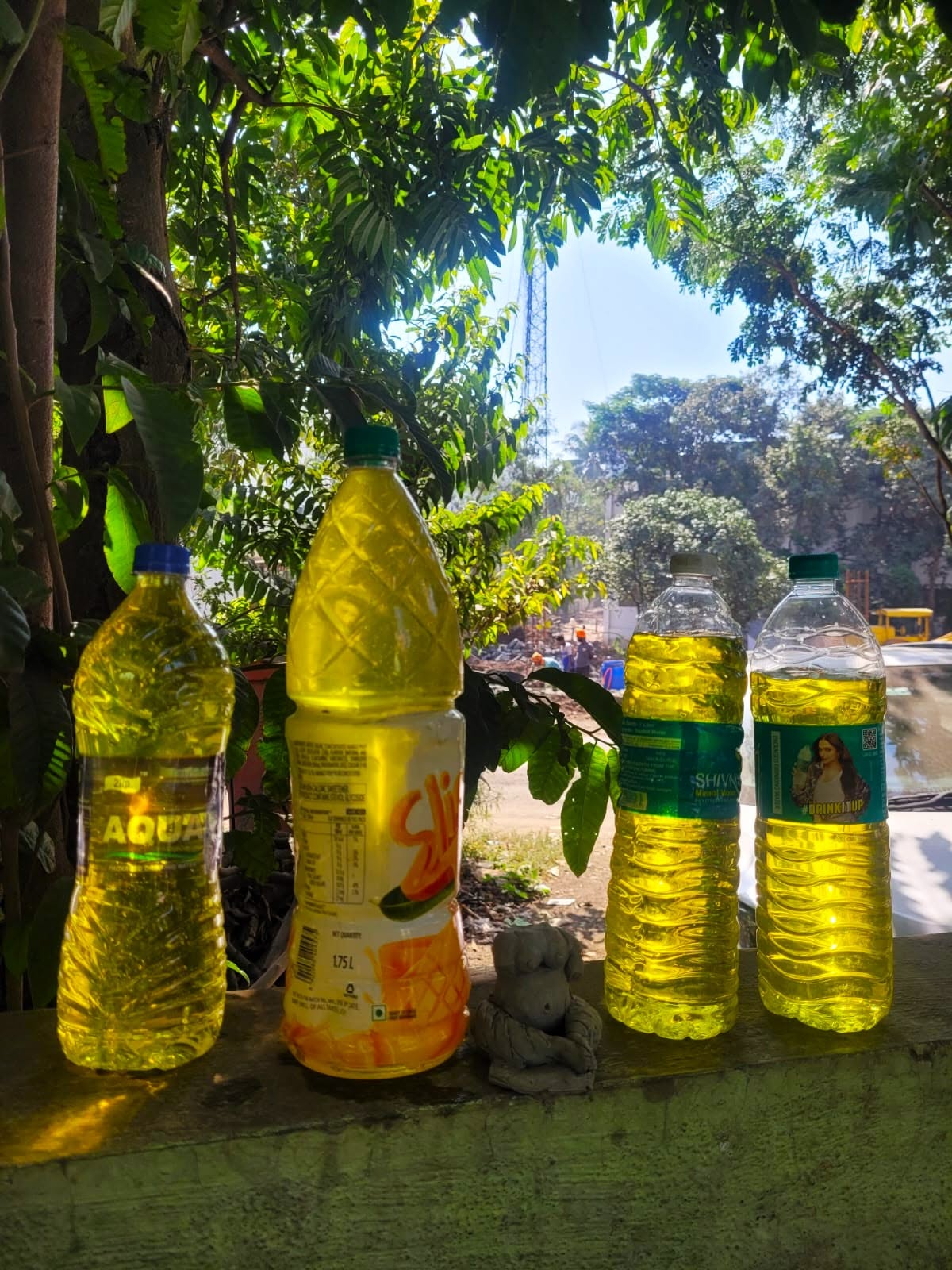
New Delhi: Laboratory testing of groundwater at Ambad in Maharashtra’s Nashik shows acute toxic contamination, with levels of cancer-linked hexavalent chromium 1,000 times higher than safety limits, according to the South Asia Network on Dams, Rivers and People.The contaminated water has caused skin and other health-related issues among residents and is also entering the Godavari river through local drains, it said.
The informal network works on issues related to rivers, communities and large-scale water infrastructure like dams.
The affected river stretch includes ghats where Kumbh Mela will soon be organised, posing a potential health risk to millions of pilgrims who will visit the city, a statement by the South Asia Network on Dams, Rivers and People (SANDRP) released on October 8 said.
It added: “The analysis reveals hexavalent chromium levels of 50.3 mg/L in the total chromium of 50.5 mg/L: surpassing the Bureau of Indian Standards drinking water allowable limit of 0.05 mg/L by over 1,000 times.”
The chemical’s source could be electroplating, metal finishing, paint and other industries located in the Ambad Maharashtra Industries Development Corporation (MIDC) zone, according to the network.
The SANDRP claimed that many of Ambad’s residents have been forced to consume and rely on contaminated water due to low and inconsistent supply from the Nashik Municipal Corporation. As a result, people, including children and women, suffered from chemical ulcers, rashes and blisters, it said.
“Young women and children had painful, swollen lymph nodes and chronic illnesses. Two women in the affected settlement report suffering spontaneous miscarriages. The number can be higher. The link has to be assessed,” the statement said.
It also highlighted that the regulatory response had been “inadequate” despite repeated complaints on multiple occasions.
“The Maharashtra Pollution Control Board (MPCB) issued a routine show-cause notice to only a single company on September 30, 2026, after media reports of yellow water emerged,” the network added.
The MPCB neither made its water testing data public nor communicated it to the affected residents, “leaving the community in the dark about a lethal chemical hazard”, the SANDRP said.
Disclaimer : This story is auto aggregated by a computer programme and has not been created or edited by DOWNTHENEWS. Publisher: deccanchronicle.com