CHENNAI: The public has urged the TVK government to take steps to revive the ‘Amma’ drinking water purification initiative in Chennai as the plants are now defunct.
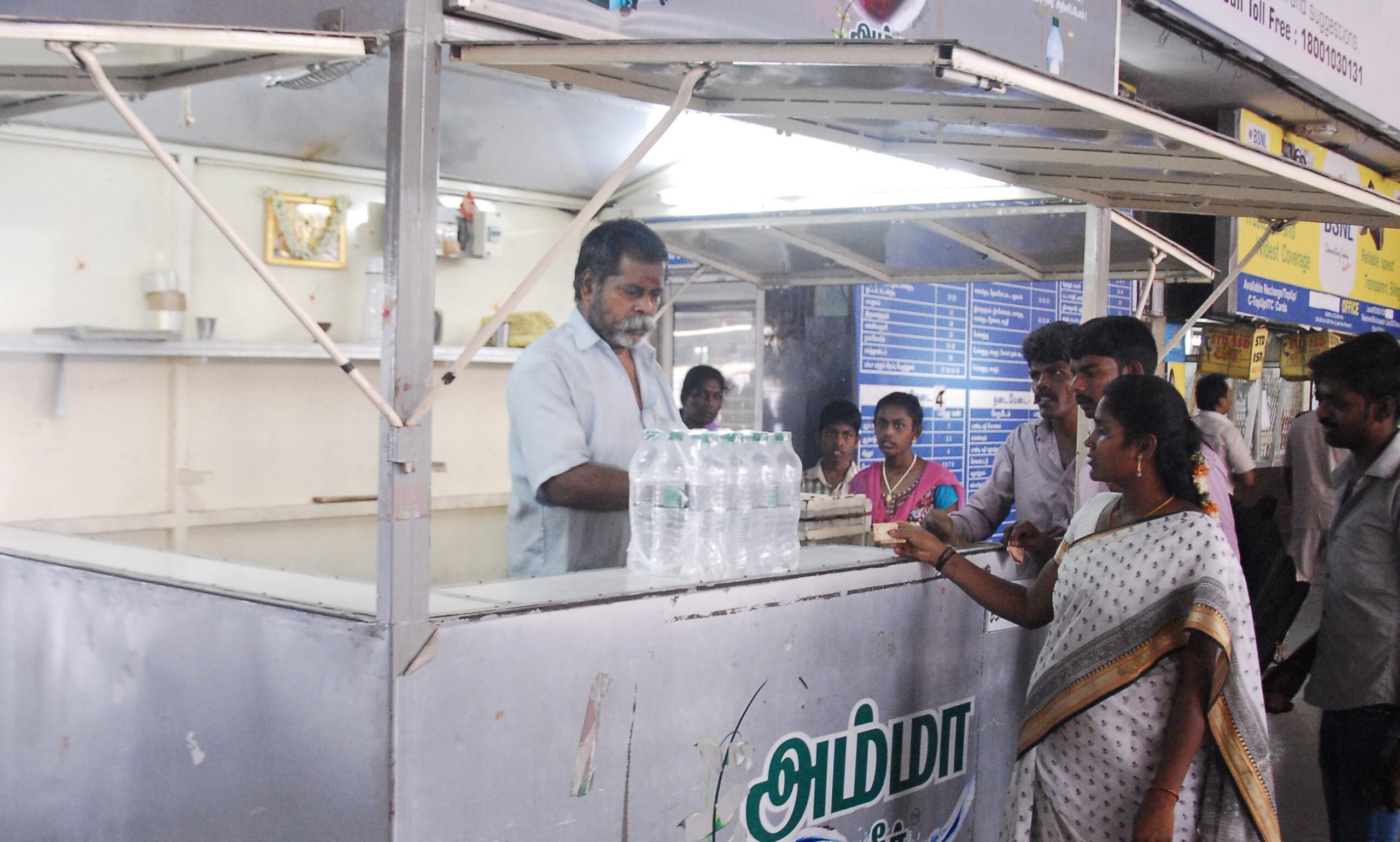
‘Amma’ drinking water purification plants — established in 2016 at 50 locations for a total cost of ₹1.50 crore to provide safe drinking water to the public — are not working and the sites have also wasted.
The then chief minister Jayalalithaa introduced the water purification centres to ensure safe, clean drinking water was accessible to all sections of society. Chennai Corporation established these centres in 50 locations, at a cost of Rs. 3 lakh per centre.
The centres provided purified drinking water comparable in quality to water sold in private cans, completely free of charge. They were very well-received by the public with 400 beneficiaries per centre, and a total of 20,000 families benefited.
Under the scheme, 400,000 litres of purified drinking water were distributed, with an allocation of 20 litres per household drawn on smart cards.
Due to the impact of the Covid-19 pandemic and a change in government, the centres were neglected and abandoned. Despite public requests to reopen the facilities, the DMK government showed no response.
Following complaints that the drinking water was being sold for commercial use — specifically to hotels — a decision was made to transfer the management of the centres from Chennai Corporation to the water supply board and a resolution was also passed at a Corporation meeting.
However, as the formal handing over did not take place as required, the Amma drinking water scheme has effectively come to a standstill.
In the meanwhile, the Chennai Metropolitan Water Supply and Sewerage Board (CMWSSB) decided to set up 50 automated, purified drinking water dispensing units in locations like bus and railway stations, parks, commercial areas, hospitals and Marina beach.
The units, established at a cost of ₹6.04 crore, were inaugurated in June 2025 by the then chief minister M.K. Stalin.
A contract was awarded for the operation and maintenance of these centres for three years. Currently, however, the system is functional in only a few locations, and even in those places, it is not operating as intended.
Now, there is a growing demand from the public to resume the Amma drinking water scheme. “We purchase 20-litre cans of drinking water from outside, paying between Rs. 30 and Rs. 40 per can. We use this canned water for drinking, while the water supplied by the board is used for cooking. Since the water supplied by the board is frequently contaminated, we are forced to rely on canned water. It would be very helpful if the Amma drinking water scheme was revived. The government should take steps to ensure this,” said a Chennaiite.
Although the Corporation passed a resolution to hand over the Amma drinking water centres, the existing contract has not been cancelled, said a water supply board official.
“We requested that the files be returned so that the handover could be processed formally; however, this has not yet taken place. Consequently, we have set up automated drinking water dispensing units at 50 locations,” explained the official.
Since the project is under a three-year contract, it cannot be unilaterally cancelled. Should the government decide otherwise, steps will be taken to reopen the Amma drinking water centres, said the official.
The problems with Amma drinking water scheme was that the facilities were not maintained properly; water was sold for commercial purposes; and the wastewater discharged during the purification process created public health concerns.
Amma drinking water centres obtain water through borewells and contain minerals such as calcium, magnesium and sodium. When this water is purified using the reverse osmosis (RO) process, the resulting wastewater contains a higher concentration of these minerals. While this water is not suitable for drinking, it can be used for other purposes, such as flushing toilets, washing dishes, or cleaning the house.
If this water is mixed with an equal volume of ordinary water, it attains a quality comparable to water used for general purposes. The Pollution Control Board has clarified that this by-product of the purification process is not equivalent to sewage and can, in fact, be utilised for alternative purposes.
Disclaimer : This story is auto aggregated by a computer programme and has not been created or edited by DOWNTHENEWS. Publisher: deccanchronicle.com