- GST rates now generally revised annually, ensuring stability.
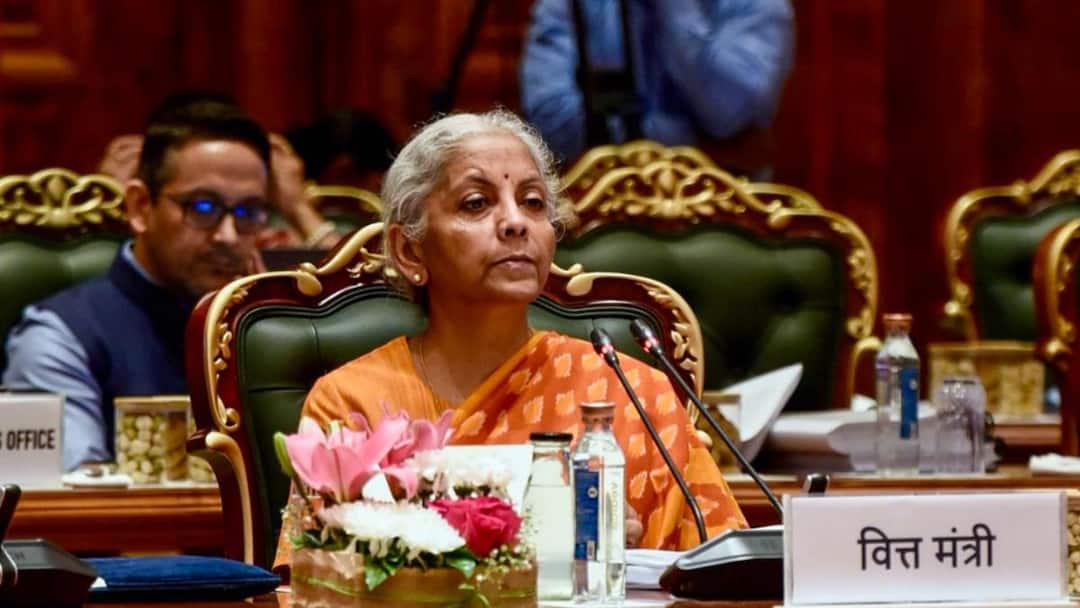
The GST Council on Thursday approved a series of changes aimed at easing compliance and reshaping the day-to-day administration of the indirect tax regime. The 57th GST Council meeting decided to remove the arrest powers of GST officers and raise the threshold for launching prosecution from Rs 1 crore to Rs 5 crore. The Council also approved changes to penalties and decided that future GST rate revisions would generally be made once a year. The measures come as the tax system moves towards a more stable rate structure and greater clarity for taxpayers.
Arrest Powers Scrapped
Under the decisions announced by the Finance Ministry, GST officers will no longer have the power to arrest taxpayers under the existing provisions.
The threshold for initiating prosecution has also been increased fivefold, from Rs 1 crore to Rs 5 crore.
The Council further removed the minimum punishment requirement. The nature of punishment-whether a fine, imprisonment or both-will now be left to judicial discretion in individual cases.
The changes are part of a broader effort to make the GST framework more predictable and reduce the scope for disproportionate action against taxpayers.
The general penalty, applicable in cases where no specific penalty has been prescribed, has also been reduced from Rs 25,000 to Rs 10,000.
Also Read: Brent Crude Above $102: Why Expensive Oil Is Bad News For Indian Markets
Focus Shifts To Compliance
The Finance Ministry said the GST rate structure has now been settled, allowing the Council to focus more closely on how the tax system functions in practice.
It added that changes to GST rates will now generally be considered once a year, potentially providing businesses with greater certainty when planning their finances and operations.
The Council also addressed concerns surrounding input tax credit, particularly for businesses that have complied with their obligations but could face difficulties because of a supplier’s actions.
A Committee of Officers will examine how to protect a genuine purchaser who possesses a valid invoice, has received the goods and has made full payment to the supplier.
The committee has been given three months to complete its examination. Its recommendations will then be placed before the next meeting of the GST Council for consideration.
Also Read: Share Markets Deep Dive As Oil Soars Over $100: Sensex Crashes 1,000 Points, Nifty Nears 22,200
Disclaimer : This story is auto aggregated by a computer programme and has not been created or edited by DOWNTHENEWS. Publisher: abplive.com