
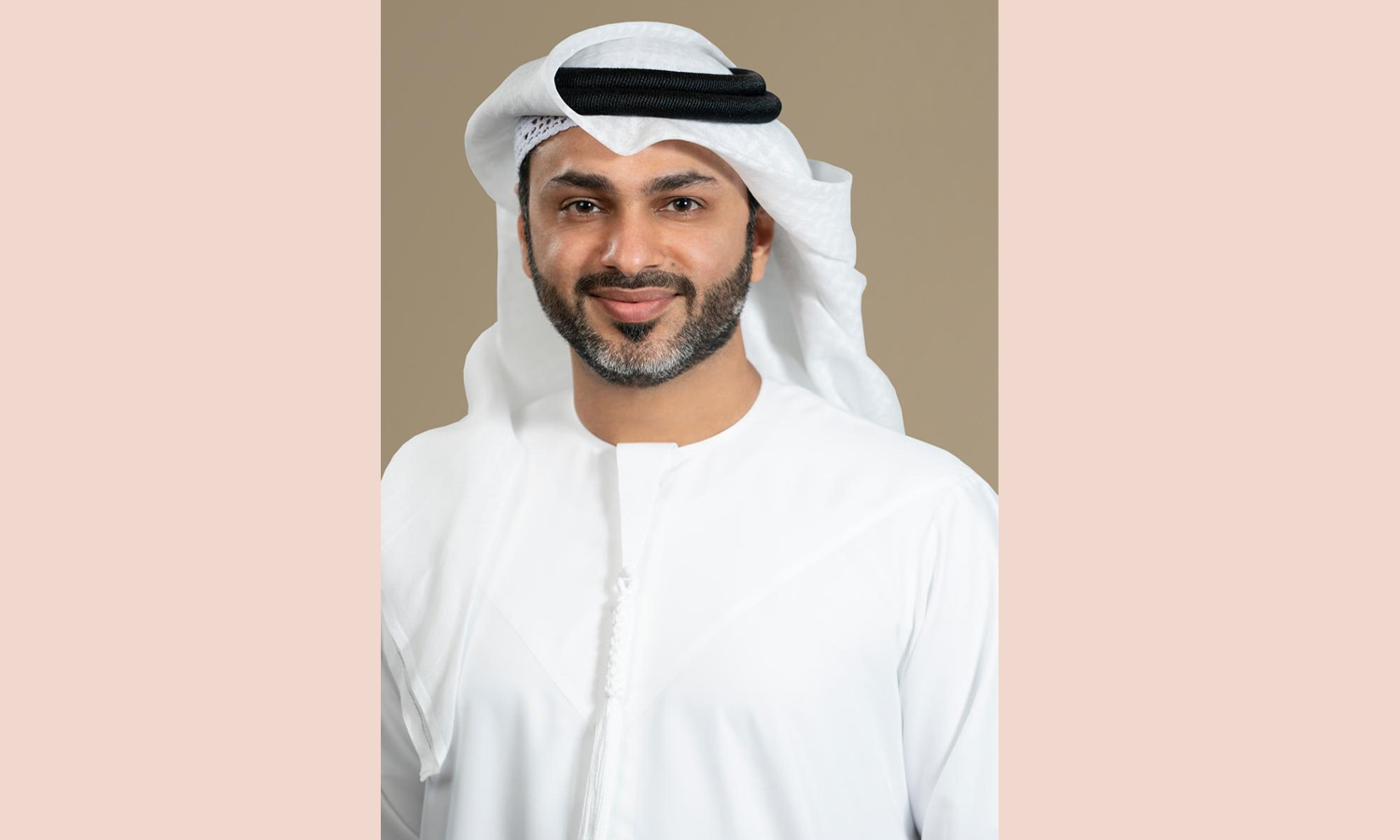
Abu Dhabi is building a tourism ecosystem where culture, technology and community reinforce one another, creating long-term resilience rather than relying on any single attraction. For DCT Abu Dhabi, growth is measured not just by visitor numbers, but by lasting value for residents, businesses and future generations.
Abu Dhabi’s approach to tourism increasingly integrates culture, technology and community. How does this interconnected model strengthen resilience?
Abu Dhabi’s tourism model is intentionally diversified. Rather than relying on any single attraction, market or visitor segment, we have built an ecosystem where culture, entertainment, technology, nature, hospitality and community reinforce one another. That creates resilience because demand comes from multiple directions, visitors have more reasons to stay longer, and the destination continues to evolve while remaining true to its identity.
Saadiyat Cultural District is one example of that approach in action. Louvre Abu Dhabi, Zayed National Museum, Natural History Museum Abu Dhabi and teamLab Phenomena Abu Dhabi now sit alongside one another, complementing Yas Island’s world-class entertainment, our year-round calendar of major sporting and cultural events, and a growing programme of public art and creative experiences across the emirate. From 2030, Dar Al Funoon Abu Dhabi, Dhabi will further strengthen this ecosystem, adding a major performing arts institution that will attract audiences throughout the year. Each investment adds value to the others, creating a destination that is greater than the sum of its parts.
Technology is equally important. We continue to invest in digital platforms, visitor insights, AI-enabled services and smarter destination management so that experiences are increasingly seamless, personalised and responsive. These investments strengthen the visitor journey while helping our industry partners better understand demand and adapt as travel patterns evolve.
Ultimately, however, destinations are defined by people. Long-term resilience depends on investing in local talent, supporting Emirati artists and entrepreneurs, and creating opportunities for young people to participate in Abu Dhabi’s cultural and tourism economy. That is how you build a destination that continues to create value for communities, visitors and future generations over the long term.
The results demonstrate the strength of this approach. In 2025, Louvre Abu Dhabi welcomed a record 1.4 million visitors, while the emirate’s cultural and heritage sites attracted 8.7 million visits overall. When residents engage with these institutions alongside international visitors, they become part of everyday life rather than standalone attractions. That is what creates a tourism ecosystem that continues to grow, adapt and thrive over the long term.
Guggenheim Abu Dhabi
DCT Abu Dhabi has focused heavily on future-ready systems and digital transformation. How are these investments reshaping visitor experiences today?
The best technology is the technology a visitor never notices. If someone tells me their day in Abu Dhabi felt effortless, that is the system working exactly as it should. Digital transformation is largely invisible; its effect on the visitor is not.
Our focus has never been technology for its own sake. We have invested in the digital infrastructure, data capability and partnerships that help the entire tourism ecosystem operate more intelligently. That means better planning, stronger coordination across government and industry, more personalised experiences, and the ability to manage peak demand without compromising service. Whether someone is visiting a museum, attending a major event or moving around the city, the experience should feel seamless from start to finish.
The scale of what we now deliver reflects the strength of those foundations.In 2025, Abu Dhabi hosted 252 culture and leisure events, drawing 4.2 million attendees. Experiences at that scale depend on sophisticated systems working behind the scenes, allowing visitors to focus on enjoying the destination rather than navigating it.
Digital transformation is also helping us build for the future. As Abu Dhabi expands its portfolio of cultural institutions, attractions and live entertainment venues, we are investing in the capabilities, content and talent needed to operate them at a world-class level. Those investments strengthen today’s visitor experience while ensuring the destination continues to evolve for years to come.
How do you ensure that rapid tourism and cultural growth remain sustainable and people-centric at the same time?
For us, growth is only successful if it creates lasting value for residents as well as visitors. Tourism should improve the places people live, not simply attract more people to them. That means every major investment is assessed not only for its economic impact, but for the value it creates for residents, businesses and future generations. We look at how it contributes to quality of life, supports local employment and skills, protects cultural identity, and encourages people to engage with Abu Dhabi’s cultural and natural assets alongside our visitors.
It also means designing for long-term resilience rather than short-term growth. We are diversifying tourism across the emirate, strengthening destinations such as Al Ain and Al Dhafra Regions alongside Abu Dhabi City, while broadening our visitor economy across culture, entertainment, nature, wellness and business events. That creates a more balanced model, spreads economic opportunity and reduces reliance on any single market or experience.
Abu Dhabi welcomed a record 26.6 million visitors in 2025. We see that as validation of the model rather than the objective itself. Success is measured not only by how many people visit, but by whether Abu Dhabi remains an exceptional place to live, work and visit at the same time. If we can achieve all three together, then we know we are growing sustainably.
Dar Al Funoon
Abu Dhabi has positioned itself as both a cultural capital and a business destination. How do these two ambitions complement each other?
Culture and business are mutually reinforcing. People may first come to Abu Dhabi for a conference, exhibition or investment opportunity, but it is often the cultural experiences, hospitality and quality of life that encourage them to stay longer, return, or build lasting relationships with the emirate.
The reverse is equally true. A strong business ecosystem supports investment in museums, entertainment, hotels and major events, creating the critical mass that makes Abu Dhabi a more compelling destination for leisure travellers. That is why we have developed culture, tourism, business events and entertainment as one connected ecosystem rather than as separate sectors.
We are already seeing the impact of that approach. In 2025, Abu Dhabi welcomed 2.2 million business event delegates, a 40% increase year on year, while hotel revenues reached AED 9.1 billion. Increasingly, delegates are extending their stay, bringing family members or returning as leisure visitors after experiencing the destination for the first time. That crossover between business and leisure travel is becoming an increasingly important driver of tourism growth.
Ultimately, our ambition is to be recognised not only as a place to visit, but as a place to meet, invest, create and live. Culture strengthens our global identity, business strengthens our economy, and together they create a destination that is both economically resilient and internationally relevant.
From heritage preservation to AI-led innovation, Abu Dhabi operates across very diverse sectors. What ties these priorities together under one larger vision?
People often see heritage and innovation as competing priorities. We see them as complementary. Heritage gives Abu Dhabi its identity; innovation helps us protect it, share it and make it more accessible to more people.
Whether we are restoring a historic site, developing a museum, investing in artificial intelligence or improving digital visitor services, the objective is the same: to create experiences that are more meaningful, more accessible and more resilient over the long term. Technology is not the destination. It is an enabler that helps us tell our stories in new ways, manage our assets more effectively and continually improve the visitor experience.
That philosophy is reflected across Tourism Strategy 2030. We are preserving Emirati heritage while embracing emerging technologies, expanding our cultural institutions while investing in smarter destination management, and supporting innovation while ensuring growth remains rooted in Abu Dhabi’s identity. Those priorities are not in tension; they strengthen one another.
The results demonstrate that approach. As I mentioned, last year Abu Dhabi’s cultural institutions and heritage sites welcomed more than 8.7 million visits, reflecting growing interest in experiences that are both authentic and forward-looking. That balance will continue to define how we develop the destination in the years ahead.
Sphere Abu Dhabi
As global travellers increasingly seek meaningful and immersive experiences, how is Abu Dhabi adapting its cultural and tourism narrative for the next decade?
Travellers today are looking for experiences that feel personal, authentic and worth returning for. They want more than a checklist of attractions; they want to understand a destination, spend meaningful time with family and friends, and discover something they cannot experience anywhere else. That shift is very much reflected in how we are shaping Abu Dhabi’s tourism offering for the decade ahead.
Our approach is to continue broadening the destination while staying true to what makes Abu Dhabi distinctive. Alongside our rich Emirati heritage, visitors can explore world-class cultural institutions, entertainment, nature, wellness, sport and year-round events. Looking ahead, landmark developments including Guggenheim Abu Dhabi, Sphere Abu Dhabi, Dar Al Funoon Abu Dhabi and the Disney theme park and resort will add entirely new dimensions to that experience, giving visitors even more reasons to return.
That approach resonates strongly with Indian travellers. India is now Abu Dhabi’s largest international source market, with more than 436,000 Indian hotel guests visiting the emirate in 2025 – a 22 per cent increase on the previous year. Strong air connectivity, including the recently launched Air India Express service between Navi Mumbai and Abu Dhabi, alongside extensive services from Etihad Airways and other carriers, makes the destination more accessible than ever.
At the same time, we continue to invest in dedicated campaigns and partnerships that reflect the interests of Indian audiences and families, such as our ongoing collaboration with Experience Abu Dhabi brand ambassadors Ranveer Singh and Deepika Padukone and activations around holidays like Diwali.
Our ambition is simple: every visit to Abu Dhabi should reveal something new. As the destination continues to evolve, we want people to return not because they missed something the first time, but because there is always another side of Abu Dhabi waiting to be discovered.
Disclaimer : This story is auto aggregated by a computer programme and has not been created or edited by DOWNTHENEWS. Publisher: deccanchronicle.com