
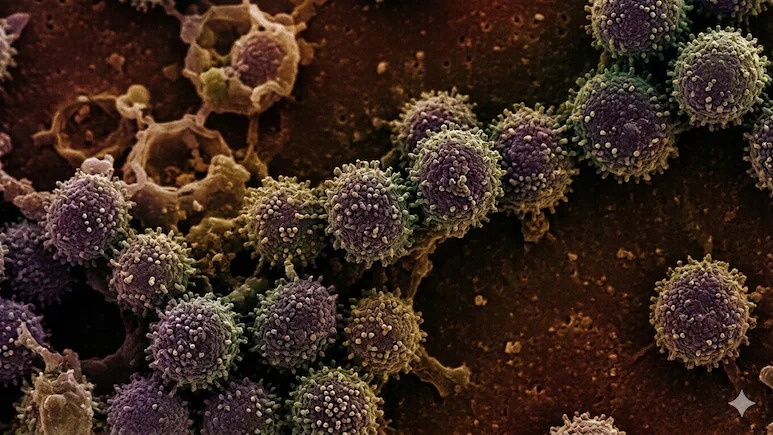
A routine cleaning activity or accidental exposure to rodent-infested areas may seem harmless, but doctors warn that it can sometimes lead to a dangerous viral infection known as Hantavirus.
According to Dr. Shiva Raju, the infection spreads mainly through contact with infected rodents and the particles released from their urine, droppings, or faeces.
“Humans can get infected through inhalation of the virus from infected rodents. Contact with rodent urine, droppings, faeces, or contaminated surfaces can increase the risk of infection,” says Dr. Shiva Raju, HOD-Internal Medicine, KIMS.
How the Infection Spreads
Doctors explain that Hantavirus is commonly associated with rodents such as rats. The virus can enter the body when contaminated particles become airborne and are inhaled.
“Avoiding rodent-infested places and contaminated surfaces is one of the most important preventive measures,” advises Dr. Shiva Raju.
The infection does not always show symptoms immediately. In many cases, symptoms may appear within one week to ten days after exposure.
Early Symptoms Can Resemble Common Illness
The initial signs of Hantavirus infection may appear mild, making early recognition difficult.
Common symptoms include:
* Fever
* Cough
* Myalgias or body pain
“People may initially develop fever, cough, and muscle pain before the illness progresses,” explains Dr. Shiva Raju.
Two Severe Forms of Hantavirus Infection
Doctors classify severe Hantavirus illness into two major syndromes.
1. Hantavirus Respiratory Syndrome
This condition primarily affects the lungs and breathing.
Patients may develop:
A) Persistent cough
B) Breathlessness
C) Respiratory failure in severe cases
“Hantavirus respiratory syndrome can become life-threatening, especially when respiratory failure develops,” says Dr. Shiva Raju.
He further notes that the mortality rate in severe respiratory disease can range between 30 to 40 percent.
2. Hemorrhagic Fever With Renal Syndrome
Another dangerous form of the infection affects the kidneys and blood vessels.
This syndrome may lead to:
* Internal bleeding
* Acute kidney failure
“Hemorrhagic fever with renal syndrome is a serious condition that can become life-threatening if not treated promptly,” warns Dr. Shiva Raju.
Treatment and Prevention
Currently, treatment for Hantavirus infection is mainly supportive and depends on the patient’s symptoms and severity of illness.
“Treatment is supportive and focused on managing the symptoms and complications,” explains Dr. Shiva Raju.
Doctors stress that prevention remains the best defense.
Recommended precautions include:
1. Avoiding rodent-infested areas
2. Preventing direct contact with rodent urine or droppings
3. Cleaning contaminated areas carefully
4. Maintaining hygiene around storage and living spaces
“People should clean areas carefully and avoid direct exposure to rodent-contaminated surfaces,” says Dr. Shiva Raju.
Health experts say awareness is critical because the infection can rapidly become severe in some individuals. Recognising symptoms early and reducing exposure to rodents can significantly lower the risk.
“Simple preventive steps can help reduce the chances of infection and protect overall health,” concludes Dr. Shiva Raju, HOD-Internal Medicine, KIMS.
Disclaimer : This story is auto aggregated by a computer programme and has not been created or edited by DOWNTHENEWS. Publisher: deccanchronicle.com



