Hedgehog road deaths ‘devastating’ populations
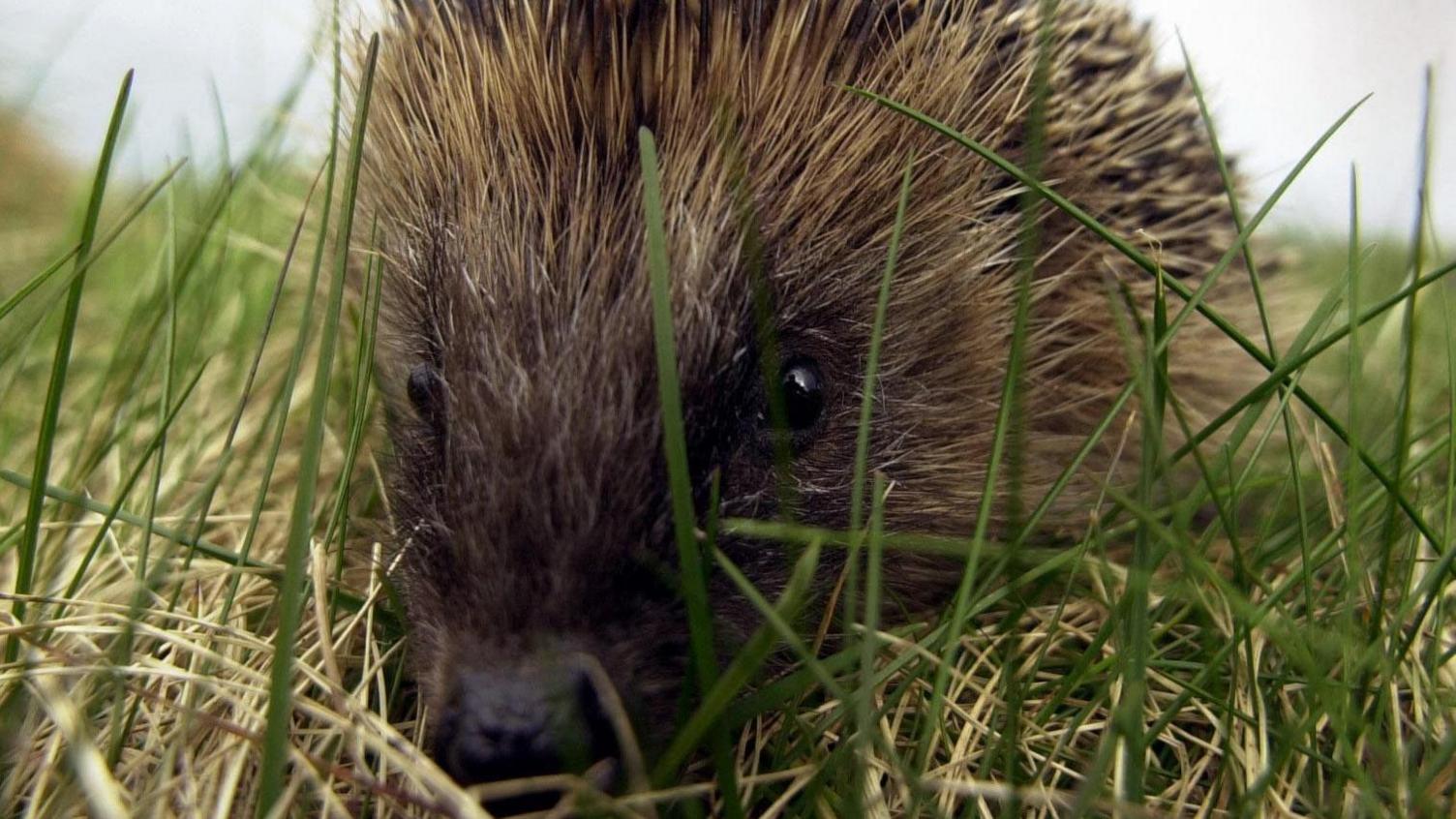 Image source, PA
-
Published
Road deaths can kill nearly a third of a hedgehog population and push smaller communities towards extinction, a new study has shown.
A team led by researchers at Nottingham Trent University (NTU) studied four hedgehog populations of varying sizes in Nottinghamshire to judge the effect of traffic kills on animal numbers.
The study found such collisions killed between 15% and 29% of a group each year, and was the main cause of recorded hedgehog deaths, amounting to about two fifths of the total.
While larger populations saw more deaths, their numbers overall were more stable but smaller groups could be “devastated” by the loss of “just one or two”.
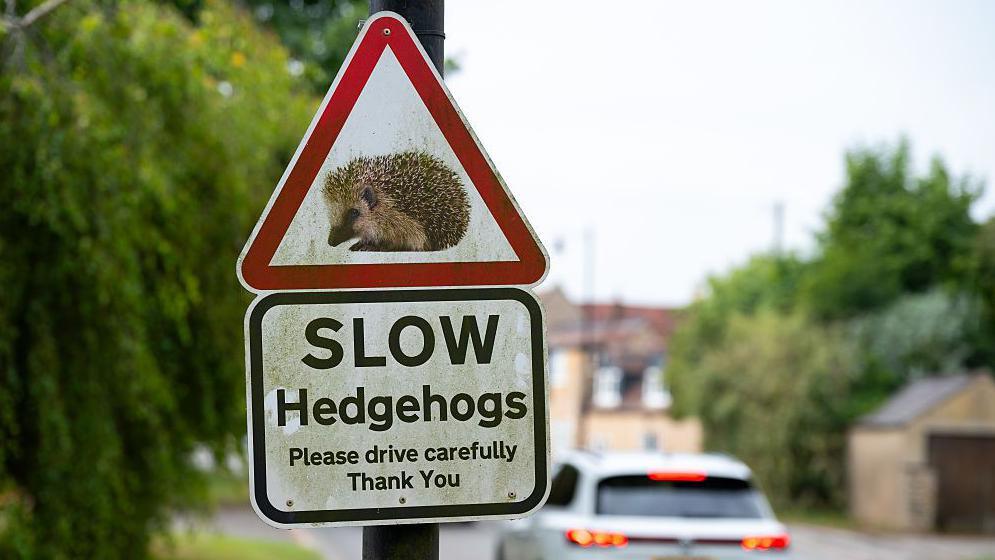 Image source, Getty Images
Hedgehogs in Britain have undergone long term decline due to factors like loss of habitat and invertebrate food sources, along with predation by badgers and foxes, poisoning by insecticides and injury from farming and garden machinery.
It is estimated rural populations have fallen by 30-75% since 2000, although urban populations have stabilised and may be recovering.
The research, funded by the British Hedgehog Preservation Society and People’s Trust for Endangered Species, was aimed at gauging the impact of road deaths on these pressured groups.
Focussed on four hedgehog populations in Nottinghamshire, surrounded by arable fields and pastures, the researchers walked 520 miles (838km) of survey routes measuring population size, reproductive rates and survival rates.
The study found larger populations had more traffic-related deaths, but were able to offset these with higher reproductive rates and the fact most of those killed were males rather than females.
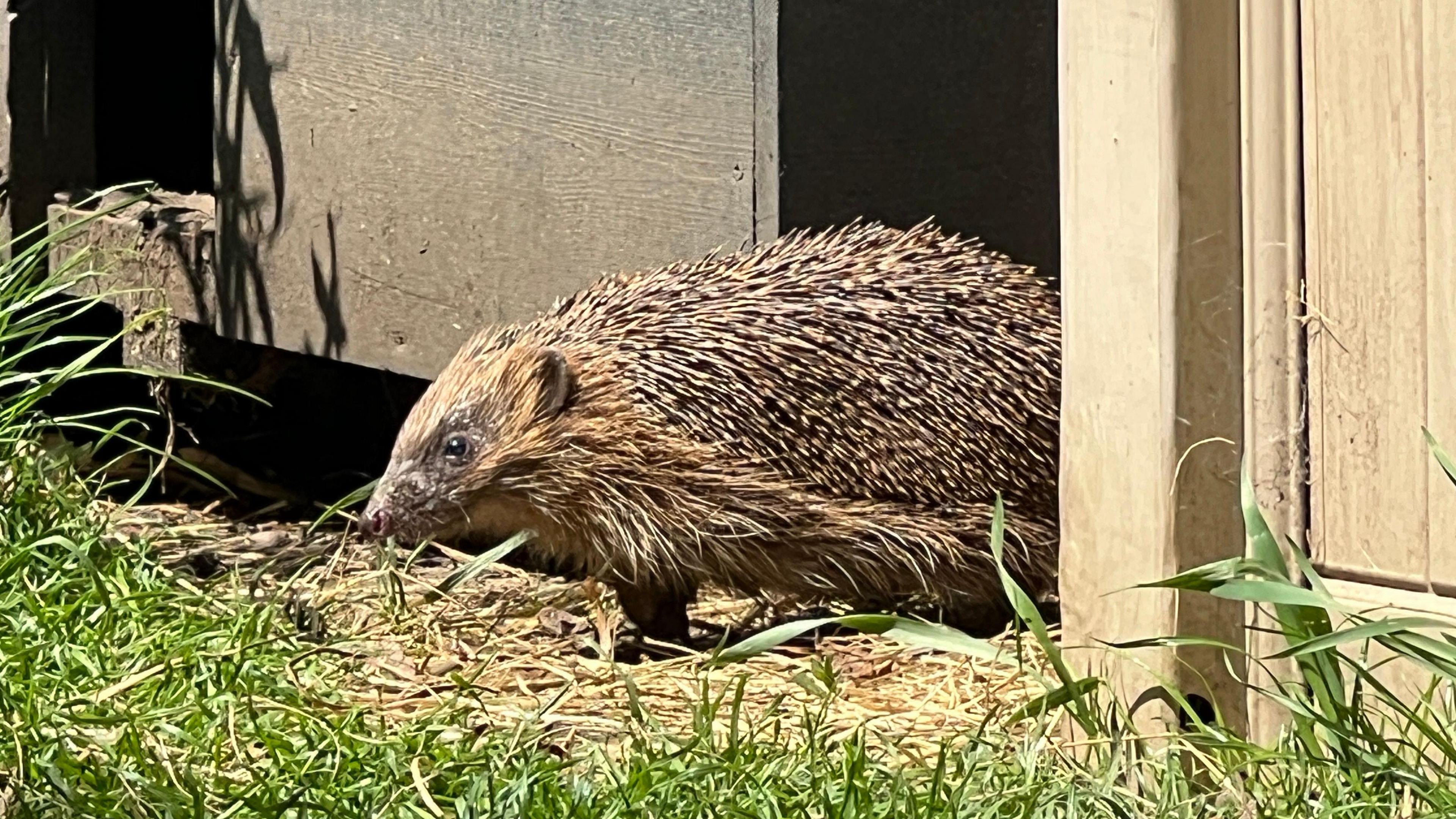
But with smaller populations with fewer than 15 individuals, even a low number of deaths could have a significant impact.
Lead researcher Dr Lauren Moore, from NTU, said: “Hedgehogs are declining in the UK and we have found how even a small amount of roadkill – perhaps just one or two individuals a year – could have devastating effects on an already small population.
“In the past, research has assumed that high roadkill rates have a large and negative impact on hedgehog populations and that a small amount does little harm.
“This does not tell us the full picture and in fact populations vary a lot in terms of size, reproductive rates, other causes of death and food availability.
“We need to better support hedgehog populations until there are tried and tested ways to reduce collisions happening in the first place.”
Conservationists said bolstering smaller hedgehog populations, providing habitat to support more animals, and helping them move around to increase viability of populations without crossing more roads were important.
Simple actions could help, such as leaving wild areas in gardens to provide food and nesting sites, and creating “hedgehog highways” – gaps in fences and walls – so they can move safely between gardens and link up with other animals to boost populations, they said.
Get in touch
Tell us which stories we should cover in Nottingham
Listen to BBC Radio Nottingham on Sounds and follow BBC Nottingham on Facebook, external, on X, external, or on Instagram, external. Send your story ideas to eastmidsnews@bbc.co.uk, external or via WhatsApp, external on 0808 100 2210.
-
-
Published23 July
-
-
-
Published2 July
-
-
-
Published19 May
-
Disclaimer : This story is auto aggregated by a computer programme and has not been created or edited by DOWNTHENEWS. Publisher: newsrss.bbc.co.uk