This story is part of “Parenting: What Google Won’t Tell You” — The Better India’s people-led parenting series that goes beyond conventional advice to document how real families are actually raising their children. Through real parents, parenting coaches, influencers and experts, the series brings honest, diverse and relatable perspectives on the questions, choices, challenges and solutions that shape everyday parenting — the things Google can’t always answer.
When Kiara Powar was 13, she came home from a badminton match, hugged her mother, and cried for an entire day. After years of playing the sport she loved, she had to give it up because severe migraines were causing blackouts on the court.
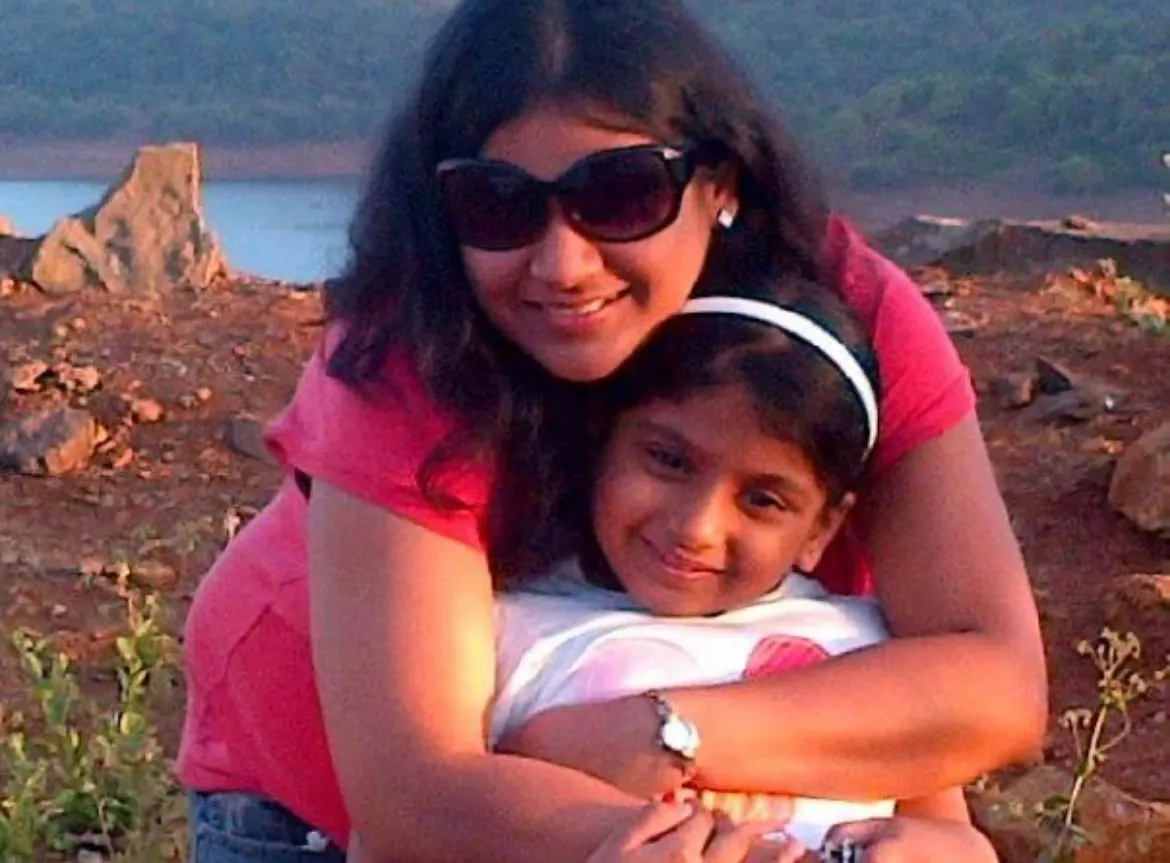
For Shweta Powar, watching her daughter navigate the loss was heartbreaking. Kiara had already faced a lifelong health condition, bullying, and rejection from people she had grown up with. Now, she was being forced to step away from something that had brought her happiness.
“I told her, ‘It’s okay if people talk about you. This is exactly when we have to fight back and keep working harder to prove our point,’” Shweta recalls.
Today, Kiara is a sports presenter and sportscaster, hosting digital shows such as Bat, Ball Aur Baatein and Sports & The City. Her journey from a young badminton player to a career in sports has been shaped by the challenges she faced growing up with Type 1 diabetes, and the support of her parents, who never wanted her condition to limit her ambitions.
For Shweta and her husband, Kiran Powar, a former first-class cricketer, the journey began when Kiara was just two years old and was diagnosed with Type 1 diabetes. The diagnosis meant learning to manage a condition they knew very little about. But as parents, they made one decision early on: they would help their daughter understand her condition without letting it dictate what she could aspire to.
Learning to live with diabetes, one day at a time
The signs began about a month before Kiara’s diagnosis. She was urinating frequently and gradually losing her appetite. After initial consultations failed to identify the problem, her parents sought another medical opinion.

The doctor recognised the seriousness of her condition and asked them to rush her to a hospital. Kiara was admitted to the ICU, where she remained under observation for 48 hours before doctors confirmed that she had Type 1 diabetes.
“We had heard the word diabetes, but we didn’t know what Type 1 juvenile diabetes was or what had to be done,” Shweta says.
At the time, managing the condition meant four insulin injections a day. Shweta and Kiran had to learn how to administer the injections, monitor Kiara’s sugar levels, and adjust insulin doses in consultation with her medical team.
The first few months were especially difficult. Shweta remembers being afraid of giving her daughter the injections, while the family struggled with the social stigma surrounding the condition.
Initially, they avoided family gatherings and social occasions, worried about people’s reactions. But after six months, they realised that shielding Kiara from the world was not the answer.
“We didn’t want our child to grow up under fear. We wanted her to face it, challenge herself and fight against the odds,” Shweta says.
They began focusing on helping her live as normally as possible. Her school nurse helped with insulin injections during the day, while Shweta managed her morning routine and made sure she received her evening dose and meals on time.
At home, the family followed the same food habits as Kiara, with homemade, sugar-free alternatives to sweets. The aim was not to make her feel different, but to help her understand what her body needed.
When badminton became her refuge
Growing up in a sporting family, Kiara developed an interest in tennis at seven and began playing badminton professionally at nine. She wanted to build a future connected to sports.
Her parents supported her ambitions while working with her doctors, coaches, nutritionist and trainer to manage her health alongside training. She followed a disciplined routine, carried meals to practice, and had support available in case her sugar levels dropped.
But adolescence brought challenges beyond diabetes. At 13, Kiara experienced severe emotional distress after relatives and cousins stopped communicating with her. The stress affected her health, and she began experiencing confusional migraines that caused blackouts while playing badminton.

After medical tests and repeated episodes on the court, her family had to confront a difficult decision: continuing the sport was no longer a risk they could ignore.
Giving up badminton was painful, especially after the sacrifices she had made to pursue it. Yet her parents encouraged her to keep moving forward, even when others doubted what she could achieve.
Making room for independence
Kiran and Shweta also made practical adjustments to help Kiara balance her studies and sporting ambitions. When the demands of school and intensive training became difficult to manage together, they decided to homeschool her in Grade 6.
Her days included badminton practice, strength training and lessons with tutors, allowing her to continue her education without abandoning the sport she loved.
Throughout these years, her doctor, Dr Atish Laddhad, remained an important source of guidance, helping the family navigate frightening episodes of low blood sugar. Her coaches and trainers also helped them understand when to push forward and when to step back.
As Kiara grew older, she gradually took responsibility for managing her condition. Today, even when travelling alone, she makes sure she carries extra medical supplies, needles and syringes.

For Shweta, that independence is part of what parenting has always meant: being present without making a child feel incapable.
“I feel you should treat the child as a normal child and allow them to do normal activities, especially what they want to do,” she says.
Today, as a sports presenter, Kiara remains connected to the world she has loved since childhood. Her path may have changed from competing on the badminton court to talking about sport on screen, but her parents’ belief in her has remained constant.
Kiara’s journey has not been without difficult choices or setbacks. But her parents have tried to ensure that diabetes remains something she manages, rather than something that decides her future.

Their approach has been simple: understand the challenges, build a dependable support system, and give a child the confidence to discover what she can do.
All images courtesy of Kiara Powar
Disclaimer : This story is auto aggregated by a computer programme and has not been created or edited by DOWNTHENEWS. Publisher: thebetterindia.com