
War-driven price rises
Prices for precious metals actually began rising with Russia’s invasion of Ukraine back in early 2022, but economists say prices surged significantly with the US and Israeli attacks on Iran.
In 2023, silver prices in India largely fluctuated between $725 (70,000 rupees) and $830 (80,000 rupees) per kilogramme, rising to around $985 (98,000 rupees) in 2024. But this year, amid the conflict with Iran, silver prices briefly soared as high as $4,670 (450,000 rupees) per kg before easing after the ceasefire. Even now, after some decline, prices are hovering around $2,600 (250,000 rupees) per kg, more than three times their levels just a few years ago.
Dr. Salahuddin Ayyub, an economist and international trade expert with India’s Ministry of Commerce and Industry, said geopolitical conflicts have triggered unprecedented volatility in global commodity markets.
“When stock markets become volatile, investors move their money into safer assets, such as gold and silver,” Ayyub explained. “This sudden surge in demand pushes the prices of precious metals sharply upwards.”
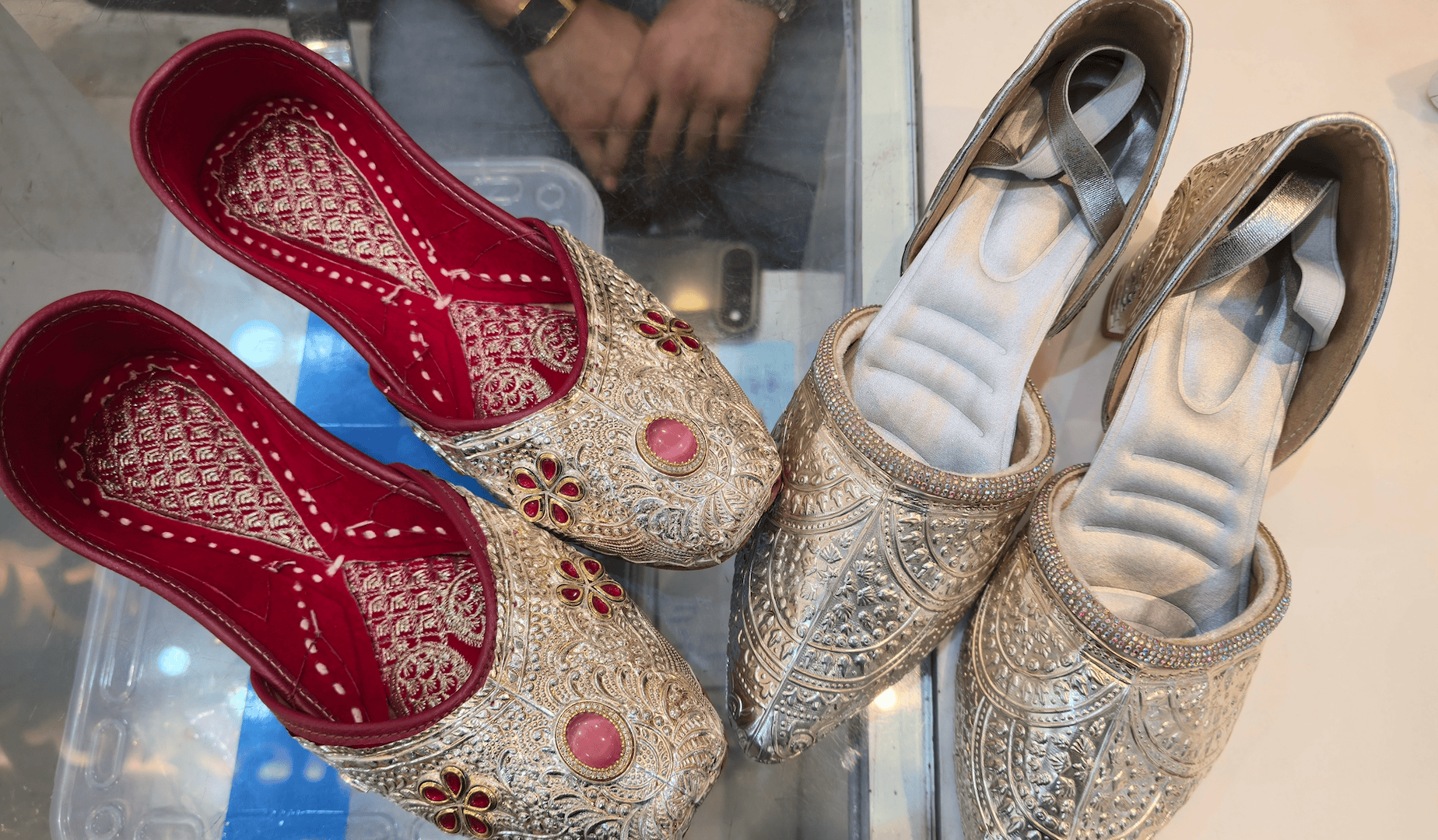
The consequences have been particularly severe in India, he said, because gold and silver remain deeply intertwined with weddings, other cultural traditions and family savings. As prices continue to rise, many households are increasingly opting for lower-cost alternatives, such as artificial jewellery.
He warned that while consumers may find substitutes, those whose livelihoods depend on the precious metals industry, including artisans, silversmiths, jewellery shopkeepers and traditional craftsmen, have far fewer options.
“The impact extends well beyond consumers,” Ayyub said. “Entire communities whose incomes depend on these metals are now facing shrinking demand and growing economic uncertainty.”
The surge in silver prices has had another consequence that is often overlooked by the government and policymakers. According to Ayyub, when a country witnesses a sharp rise in demand for imported precious metals, governments often intervene to curb imports and protect their foreign exchange reserves.
“India depends heavily on imported silver. A sudden spike in imports puts pressure on the country’s foreign exchange reserves, so the government tries to discourage excessive imports through tariffs and other restrictions,” Ayyub said.
These import duties are eventually passed on to consumers. “As tariffs increase, the landed cost of silver rises. That is one of the reasons why silver prices in India are currently trading above global prices,” he said.
Globally, silver currently costs $2,100 (201,000 rupees) per kg, but in India, it’s more than 20 percent higher because of heavy government import taxes and strict licensing that chokes off supply. India depends on imports to meet more than 80% of its domestic silver demand and its purchases account for over 20 percent of the global trade in refined silver.
India more than doubled its effective import taxes on gold and silver in May. That saw silver imports plunge by 87 percent to just $75.6 million that month, down from $566.2 million the previous year, the country’s lowest level in over three years.
High silver prices are now forcing Lucknow’s brides to make tough, sometimes devastating, decisions.
Disclaimer : This story is auto aggregated by a computer programme and has not been created or edited by DOWNTHENEWS. Publisher: aljazeera.com




