This article is in partnership with the Ministry of Road Transport & Highways, Government of India
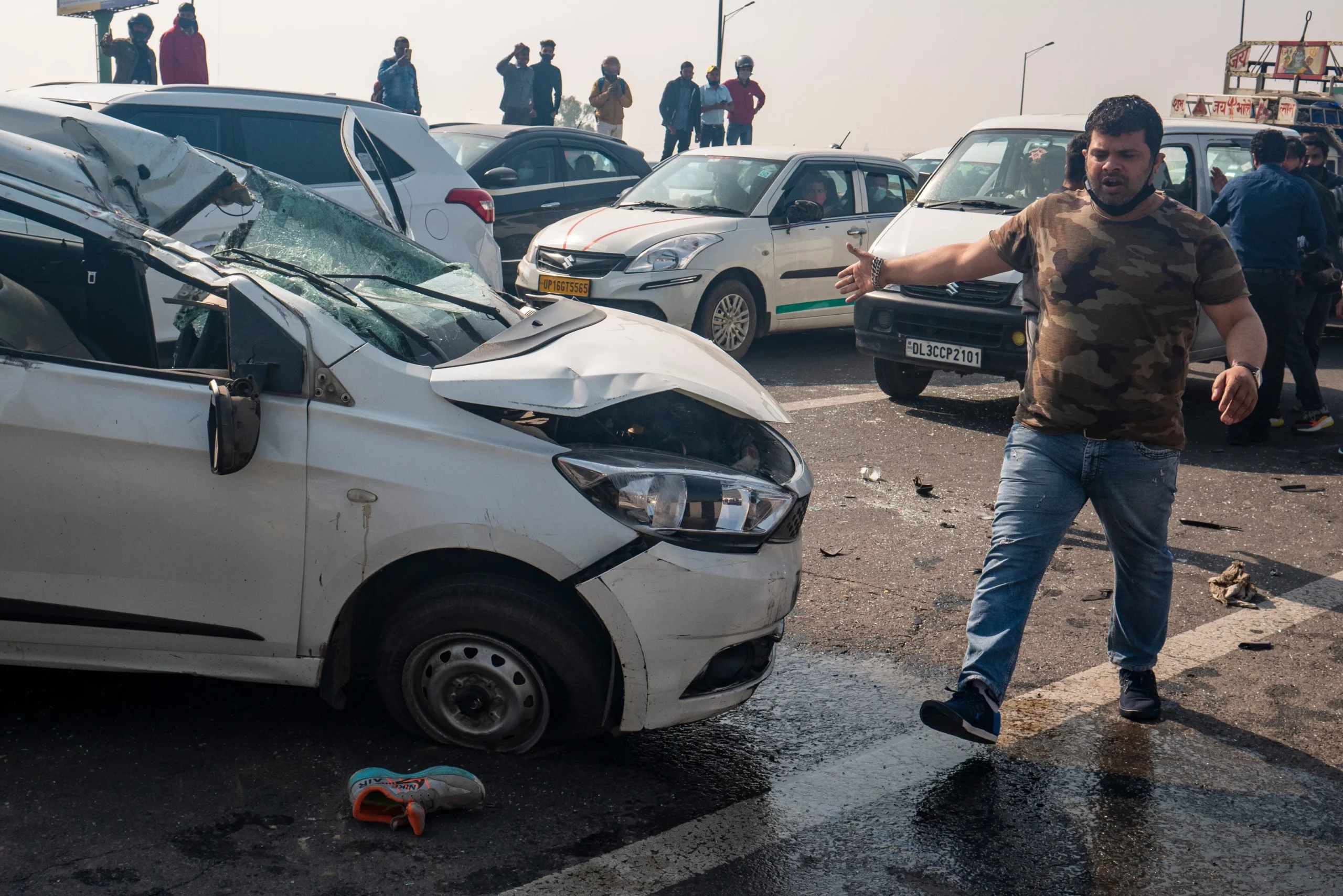
Dr Sonali Sharma and her husband were returning from a day trip to the serene Nako Lake in Himachal Pradesh’s Kinnaur district when they encountered unexpected congestion and saw ambulances rushing past them. The unmistakable sign of an accident ahead was clear. While most drivers continued seemingly unaffected, Sonali and her husband made a life-changing decision: they stopped to help.
Without hesitation, Sonali, a medical professional, provided immediate care to the accident victim, who had suffered fractures, lacerations, soft tissue injuries, and head trauma. Once medical personnel arrived, the couple resumed their journey, knowing they had made a difference in someone’s life.
What followed was a reward of Rs 25,000 through the Rah-Veer Scheme, an initiative that supports citizens who come forward during the ‘Golden Hour’, the first 60 minutes after a road accident, when prompt medical attention can make all the difference in saving lives.
Launched by the Ministry of Road Transport and Highways (MoRTH) in 2020, the Rah-Veer Scheme is part of the Good Samaritan Rules, a groundbreaking initiative that encourages citizens to step up and help during road emergencies.
Those who step forward receive not just recognition but also a Rs 25,000 cash award and a certificate of appreciation. If multiple Rah-Veers assist a single victim, the reward is shared equally. Additionally, ten exceptional Rah-Veers are honoured each year with national recognition, receiving Rs 1,00,000, a trophy, and a certificate during National Road Safety Month.
How can you volunteer to be a Good Samaritan?
“It’s heartbreaking to see people instinctively reach for their phones to capture accidents instead of helping,” Sonali reflects. “But through initiatives like Rah-Veer, we are reminded that our actions can save lives.”
The scheme ensures that citizens who help accident victims are shielded from legal complexities. There is no requirement to disclose personal information, and no one will be detained. Their privacy is protected, encouraging more people to step in when they are needed most.
While Sonali’s medical expertise played a crucial role in treating the victim’s injuries, the Rah-Veer initiative is open to all citizens, regardless of medical training. Even non-medical volunteers can step in as Rah-Veers.
If you choose to volunteer as a witness under the Rah-Veer Scheme, the process is designed for ease, requiring just a single, flexible examination at a time and place of your choosing, with participation remaining entirely voluntary and based on your comfort.
While the Rah-Veer initiative places the power of immediate response in citizens’ hands, it also operates within a broader ecosystem of state support designed to safeguard accident victims. Once those critical first moments have passed, the focus shifts to ensuring sustained medical care without the burden of financial strain.
It is here that the PM RAHAT (Prime Minister’s Road Accident Victims’ Hospitalisation and Assured Treatment) Scheme bridges the gap between emergency assistance and longer-term support. It reinforces the idea that road safety is not just about timely action, but also about accessible care and institutional backing.
Providing emergency medical care to victims of road accidents
According to government data, fatal road accidents increased from 1,55,781 in 2022 to 1,60,509 in 2023, accounting for 33.4 percent of all road accidents that year.
No life should be lost for lack of immediate medical care.
This led to the idea of the PM RAHAT scheme. Introduced by the Ministry of Road Transport and Highways, it is designed to guarantee cashless treatment to road accident victims during the critical Golden Hour, when swift medical attention can significantly improve survival chances.
/filters:format(webp)/english-betterindia/media/media_files/2026/05/15/shutterstock_2126429504_11zon-2026-05-15-13-23-45.jpg)
The scheme covers anyone injured in a road accident involving a motor vehicle: drivers, passengers, pedestrians, cyclists, and even bystanders, regardless of nationality. Victims are entitled to cashless treatment of up to Rs 1.5 lakh for a period of up to seven days, with care available at designated hospitals as well as those empanelled under AB PM-JAY (Ayushman Bharat Pradhan Mantri Jan Arogya Yojana) empanelled hospitals.
Crucially, hospitals are legally mandated to provide immediate treatment and cannot deny admission or demand upfront payment, reinforcing accountability within the healthcare system.
What makes PM RAHAT particularly significant is its seamless approach to funding.
Treatment costs are covered by contributions from general insurance companies in insured cases and by government support in cases involving uninsured or hit-and-run vehicles. By removing financial barriers at the point of care, the scheme ensures that the focus remains where it should be, on saving lives.
The scheme establishes a robust financial mechanism to cover the immediate treatment costs for road crash victims. These costs are primarily borne by contributions from general insurance companies, specifically when the vehicle involved is insured. This ensures that the financial burden does not fall directly on the victim or their family during a critical time.
Furthermore, recognising the complexity of real-world scenarios, the government provides essential financial support for cases involving uninsured vehicles or for tragic hit-and-run incidents where the responsible party cannot be identified or held accountable. This two-pronged funding approach guarantees that the immediate healthcare needs of all road crash victims are met, regardless of the insurance status of the vehicles involved.
By meticulously removing these financial barriers, the concern about how to pay for emergency medical care at the critical ‘point of care’ can be lifted, allowing the entire focus of the healthcare system and first responders to remain on the most crucial objective: saving lives and providing timely, effective medical intervention. This systemic removal of financial hesitation is key to the scheme’s core mission of drastically reducing fatalities and disabilities resulting from road crashes.
Sources
‘Road Accidents in India 2023‘: by Ministry of Road Transport And Highways (Transport Research Wing), Government of India
Disclaimer : This story is auto aggregated by a computer programme and has not been created or edited by DOWNTHENEWS. Publisher: thebetterindia.com