
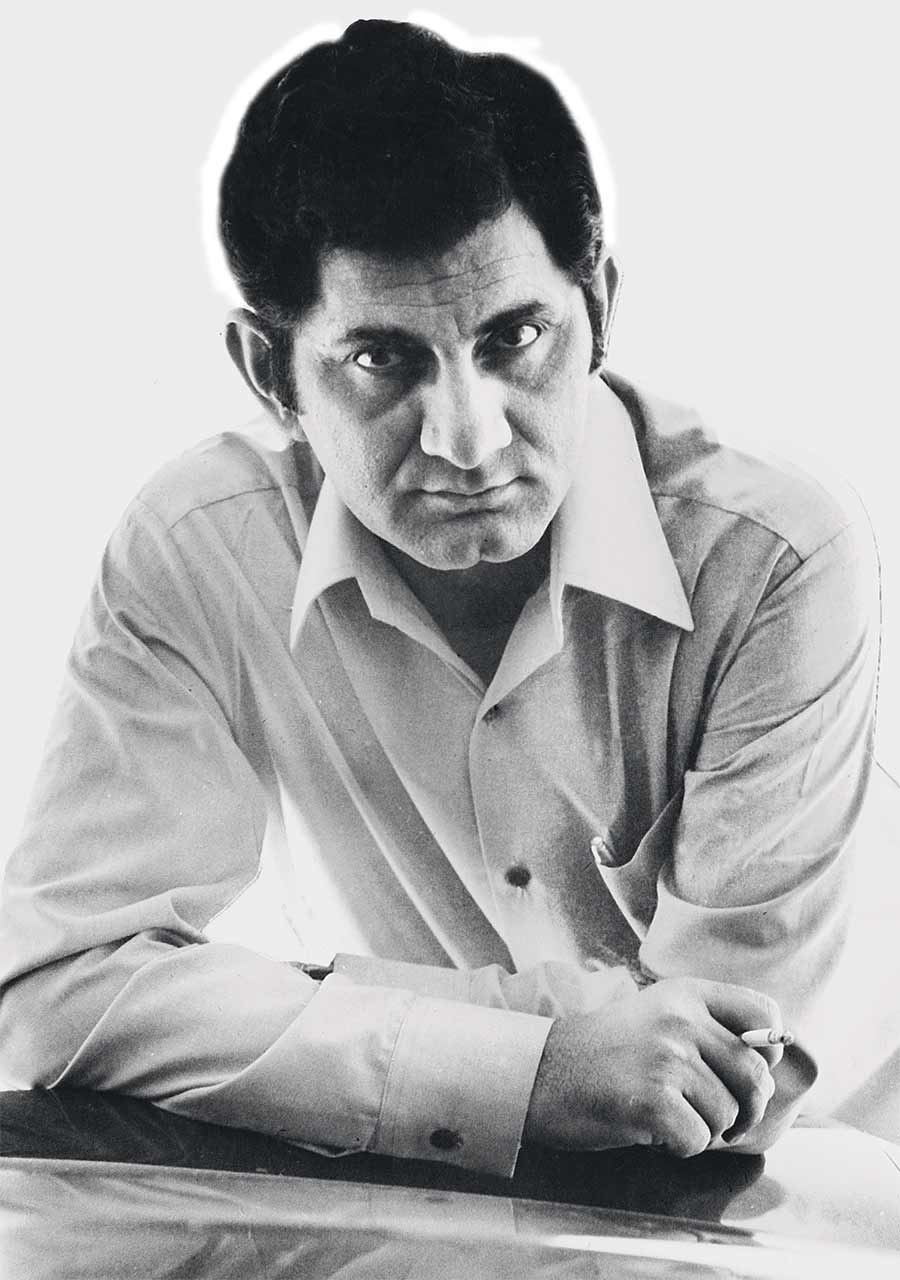
Amidst the league of Urdu poets including Sahir Ludhianavi, Kaifi Azmi, Majrooh Sultanpuri, Hasrat Jaipuri and Shailendra, Anand Bakshi, who came from an army background, became the most prolific lyricist in Hindi cinema with over 3500 songs in over 600 films in four decades. His power lay in his ability to write in the popular idiom, his lucid lyrics breaking down complex emotions. Story goes, once a depressed man contemplated suicide on the railway tracks. From a distance he heard Bakshi’s lines Gaadi ka naam na kar badnam patri pe rakh ke sar ko… (Dost, 1974) playing on the radio. Instantaneously, he returned home and wrote to Bakshi about how his words put his life back on track. The life-enthusiast that Bakshi was, he had a song for every reason, every season… Writing Mehendi lagake rakhna (Dilwale Dulhania Le Jayenge, 1996) when he was 65 and Zinda rehti hain mohabbatein (Mohabbatein, 2000) at 70, just two years before his demise, was his way of proving that his art, much like his heart, was rust-free. However, beneath the inexhaustible songwriter, Bakshi was a tormented soul. Son and author Rakesh Bakshi (Nagme, Kisse, Baatein, Yaadein: The Life & Lyrics of Anand Bakshi) once spoke about the feeling of ‘abandonment’ that troubled his father yet somewhere sculpted his skill. “The first loss was that of his mother (Sumitra Bali), when he was 10. The second was leaving behind his beloved Rawalpindi after the Partition. The third loss was that of his identity. While in the Indian army (Corps of Signals), he was called Anand Prakash Bakshi. In films he became Anand Bakshi. Dad often lamented the fact that he had earned fame but had lost the fearlessness of an army man,” shared Rakesh. The sense of being forsaken manifested itself in lifelong anxieties – the fear of falling ill, phobias of getting into a lift, of air travel, of heights, of being alone… But Bakshi fought these with quiet fortitude. Because when he joined showbiz, the army man had exchanged guns for roses. To sum up the bitter-sweet dichotomy in Bakshi saab’s words, “The pain in my pen won’t let me live and my fans won’t let me die!” Handpicking rare gems from Anand Bakshi’s colossal cache…
Sooni re nagariya | Uphaar (1971)
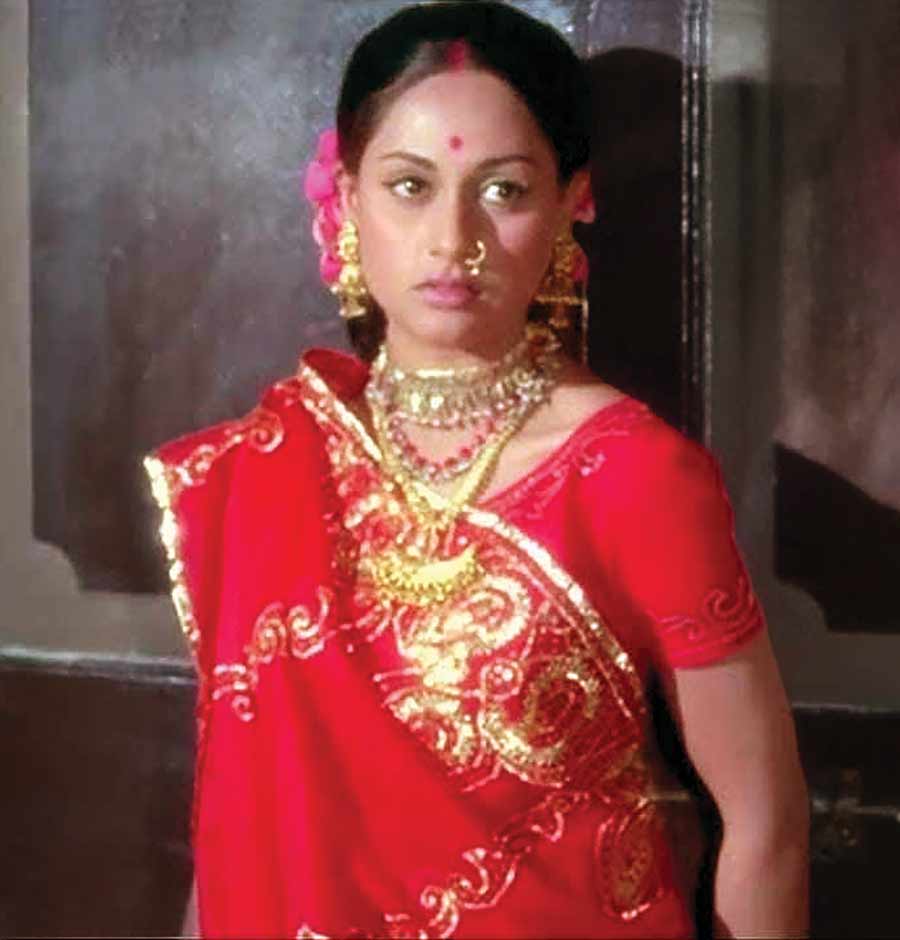
Based on the 1893 short story Samapti (The End) by Rabindranath Tagore, Sudhendu Roy’s directorial is a coming-of-age drama shot against pastoral Bengal. Anoop (Swarup Datta) is in love with child-bride Minoo (Jaya Bhaduri), who’s unable to comprehend his love or the man-woman dynamics. She only realises what he means to her once he goes off to Kolkata, their marriage still unconsummated. Composed by Laxmikant-Pyarelal and rendered by Lata Mangeshkar, Bakshi’s folk flavoured verse is a classic offering. Jaane na kadariya, roki na dagariya, bhaye pardesi mere sanwariya, sooni re nagariya… Minoo symbolises the regret of leaving love unreciprocated.
Yeh jeevan hai | Piya Ka Ghar (1972)
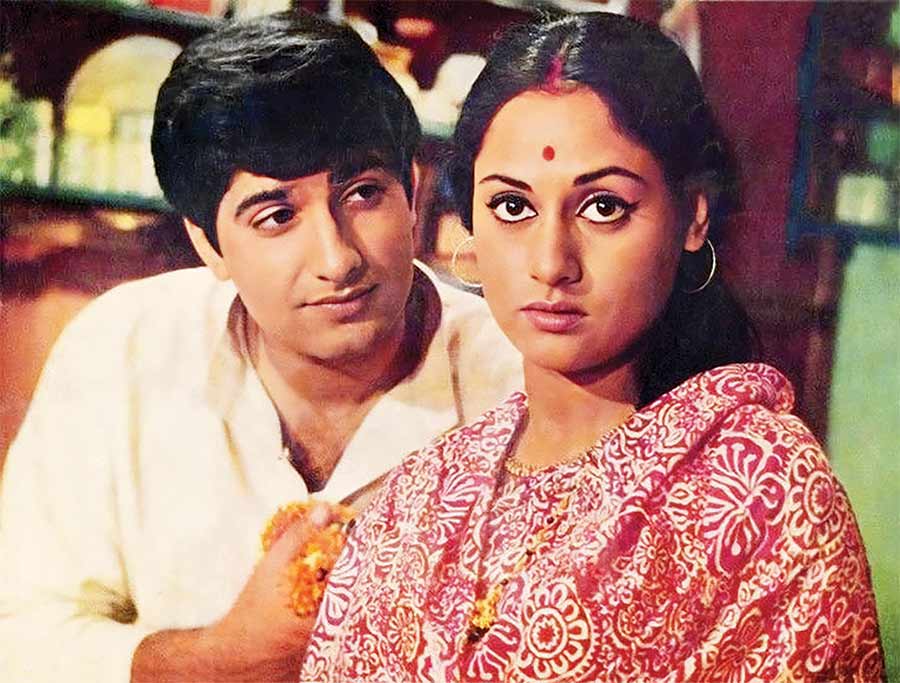
Director Basu Chatterjee’s slice-of-life drama spotlights the perennial urban predicament – lack of space. A newly-married couple (Jaya Bhaduri’s Malti and Anil Dhawan’s Ram) living with extended family in a Mumbai chawl craves for privacy. Romanticising making ‘room’ for adjustment over self-gratification… Bakshi’s lyrics transcend the immediate to become an allegory of life. The paradox of a city with sky-high dreams grounded by unkind reality makes the Kishore Kumar number, composed by Laxmikant-Pyarelal, with generous acoustic guitar, timeless. Thode gham hai, thodi khushiyan, yahi hai, yahi hai, yahi hai chaon dhoop… Bakshi poetically spins the prose of life. So relevant is the number that it played as the background song in the recent Uunchai (2022). Interestingly, the music of Uphaar and Piya Ka Ghar was sold as a double album.
Chingari koi bhadke | Amar Prem (1972)
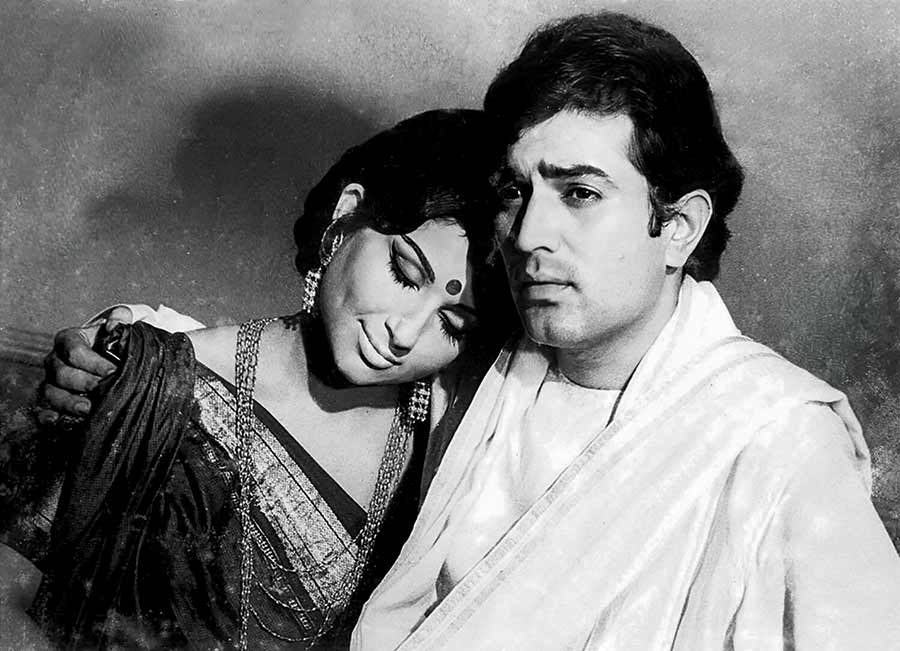
Amar Prem celebrates the winning team of Rajesh Khanna and Sharmila Tagore with director Shakti Samanta. It also established Bakshi’s fine tuning with composer RD Burman and singer Kishore Kumar. Bakshi’s rhetoric, which questions the ironies of life, remains a retro favourite. Anand (Rajesh), disillusioned with marriage and societal hypocrisy, seeks solace in courtesan Pushpa’s (Sharmila) company. One such sundown is spent on a boat against Kolkata’s Howrah Bridge as Anand sublimates his pain through song and spirit. The melancholic flute and violin strings enhance Bakshi’s writing, which emphasises that disappointment often comes from close quarters… Hum se mat poochho kaise mandir toota sapnon kaa, logon ki baat nahin hai, ye kissa hai apnon ka… is a life-truth few can refute.
Zindagi ke safar mein guzar jaate hai jo makaam | Aap Ki Kasam (1974)
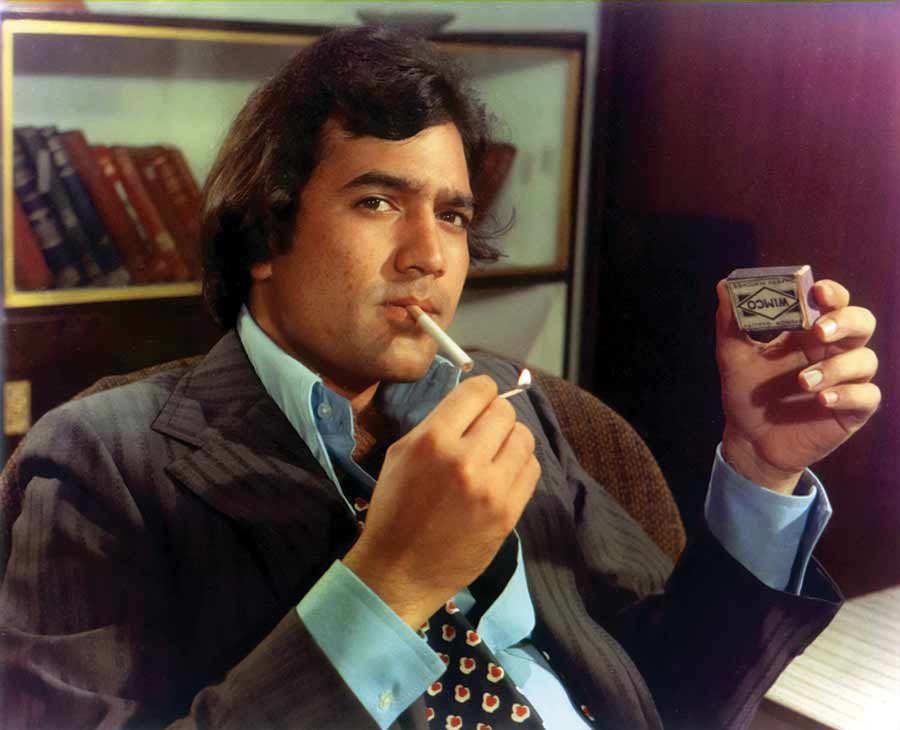
In the J Om Prakash directorial, starring Rajesh Khanna and Mumtaz, the song is a lament on losing love at the hands of suspicion. Interestingly, when writing for Rajesh Khanna, Bakshi would always ‘hear’ the song in Kishore Kumar’s voice. RD Burman’s score synched perfectly with the changing seasons and the vagaries of life that Bakshi’s lyrics put across. Through time, this musical masterwork is revered as a poignant comment on the irreversibility of time and loss… The song not only reflects Bakshi’s turbulent life, it also mirrors superstar Rajesh Khanna’s rise and reversal, halo and heartbreak, a track the actor often played in his low moments. In fact, the lines, Umr bhar chahe koi pukara kare unka naam, woh phir nahi aate, woh phir nahi aate… made it to the countless obituaries written on Rajesh Khanna at his demise in 2012.
Solah baras ki bali umr ko salaam | Ek Duuje Ke Liye (1981)
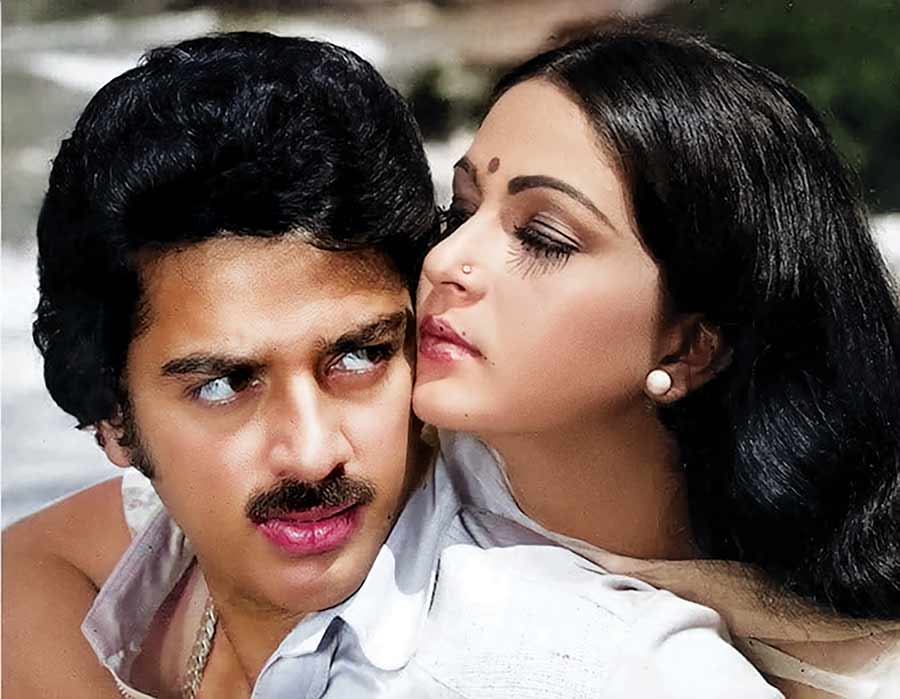
A remake of K Balachander’s Telugu film Maro Charitra, Ek Duuje Ke Liye remains iconic for its tragic love story as for its music. The mentioned song is a ‘salaam’, a salutation to Bakshi’s sense and sensibility, his ability to capture the madness of love with the method of his pen. It pays obeisance to the waves, the shore, the sea, even the ruins… that bear witness to the all-consuming emotion of the lovers – Rati Agnihotri’s Sapna and Kamal Haasan’s Vasu. Interestingly, young Anup Jalota who’d come to watch the rehearsal of the song, was roped in by Laxmikant-Pyarelal to sing the doha Koshish kar ke dekh le dariya saare nadiya saari… as the prelude. That it’s added a sublime flavour to the piece stands irrefutable.
Lambi Judaai | Hero (1983)
Filmmaker Subhash Ghai was mesmerised with Pakistani folk singer Reshma’s voice when he heard her sing at Raj Kapoor’s party in 1982. He offered her a song in his musical Hero. Reshma, a gypsy at heart, said she couldn’t sing in a confined studio. Ghai assured her that her style wouldn’t be hampered in any way. The recording of Bakshi’s elegy was done by Laxmikant-Pyarelal at Mehboob Studios with just around 12 musicians to allow Reshma’s robust voice to take over. By penning this song of separation, Bakshi somewhere fulfilled a karmic tryst. Born in Rajasthan, India in a banjara clan, Reshma’s family had relocated to Karachi after the Partition. Bakshi too had crossed over from Rawalpindi in Pakistan to India. Both understood the trauma of displacement. Reshma, who as a young girl sang at Sufi shrines, went full-throated and full-throttle for Lambi judaai. Baag ujad gaye khilne se pehle, panchhi bichhad gaye milne se pehle, koyal ki kook ne hook uthayi… is a throwback to people lost and worlds forfeited. Reportedly, Reshma once said, “For me, there’s no difference between India and Pakistan, they are like my two eyes.” Lambi judaai is Bakshi’s rejoinder that art too has no borders, no barricades.
Chitthi aayi hai | Naam (1986)
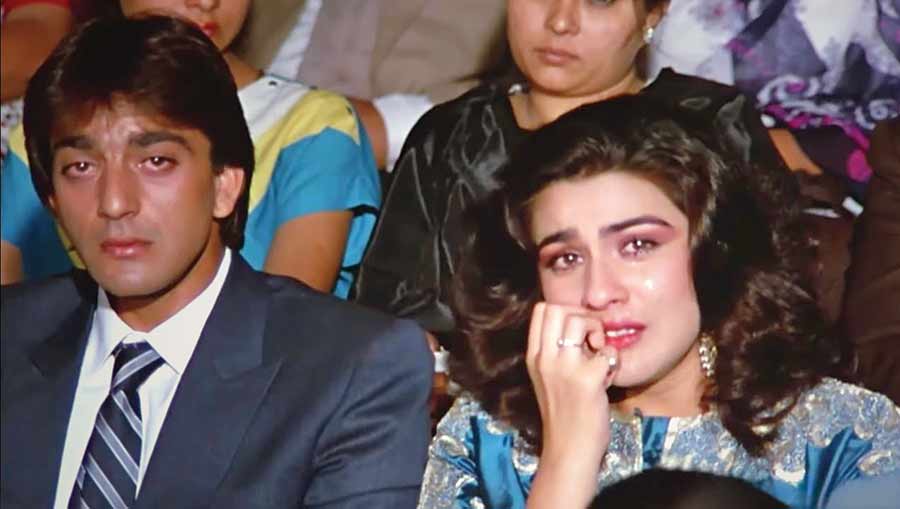
Mahesh Bhatt’s Naam was Sanjay Dutt’s comeback film after his de-addiction in the US. The film has him play Vicky, who gets ensnared in an illegal plot after he leaves his country for work. The song serves as a turnaround for Vicky, longing to return home. Bakshi’s nostalgia-soaked lyrics resonate his own agony and that of the character. Ghazal singer Pankaj Udhas featured in the film as himself with Chitthi aayi hai becoming his signature song. The lines: O pardes ko jaane waale, laut ke phir na aane waale, saat samundar paar gaya tu, humko zinda maar gaya tu… touched a chord in NRIs across continents, who could relate to the yearning for their motherland.
Chitthi Na Koi Sandesh | DUSHMAN (1998)
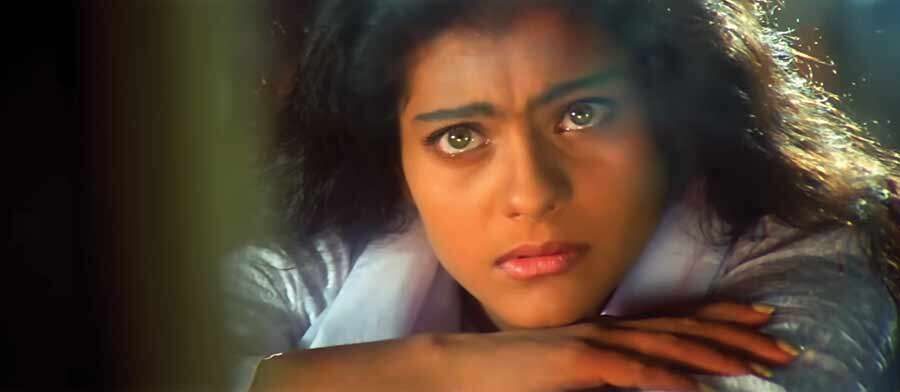
Kajol plays twins Sonia and Naina in Tanuja Chandra’s thriller reportedly inspired by Hollywood’s Eye For An Eye. Sonia is raped and killed by a psychopath while Naina plays avenger. When Tanuja told Bakshi that she loved his work but her budget couldn’t match his fee, he retorted, “Who are you to determine my price? First, inspire me!” Bakshi heard the story and the next day Chitthi na koi sandesh was born. The song, sung by Jagjit Singh and composed by Uttam Singh, conveys grief and the obscurity of death. The verse not only hit home for Bakshi, who could never overcome the loss of his mother but also had a personal connection for Jagjit, who lost his 18-year-old son Vivek in a road accident in 1990. The lines, Hai dil mein reh gayi baat, jaldi se chhuda kar haath, kahan tum chale gaye… could not have been more excruciating.
Aye watan tere liye | Karma (1986)
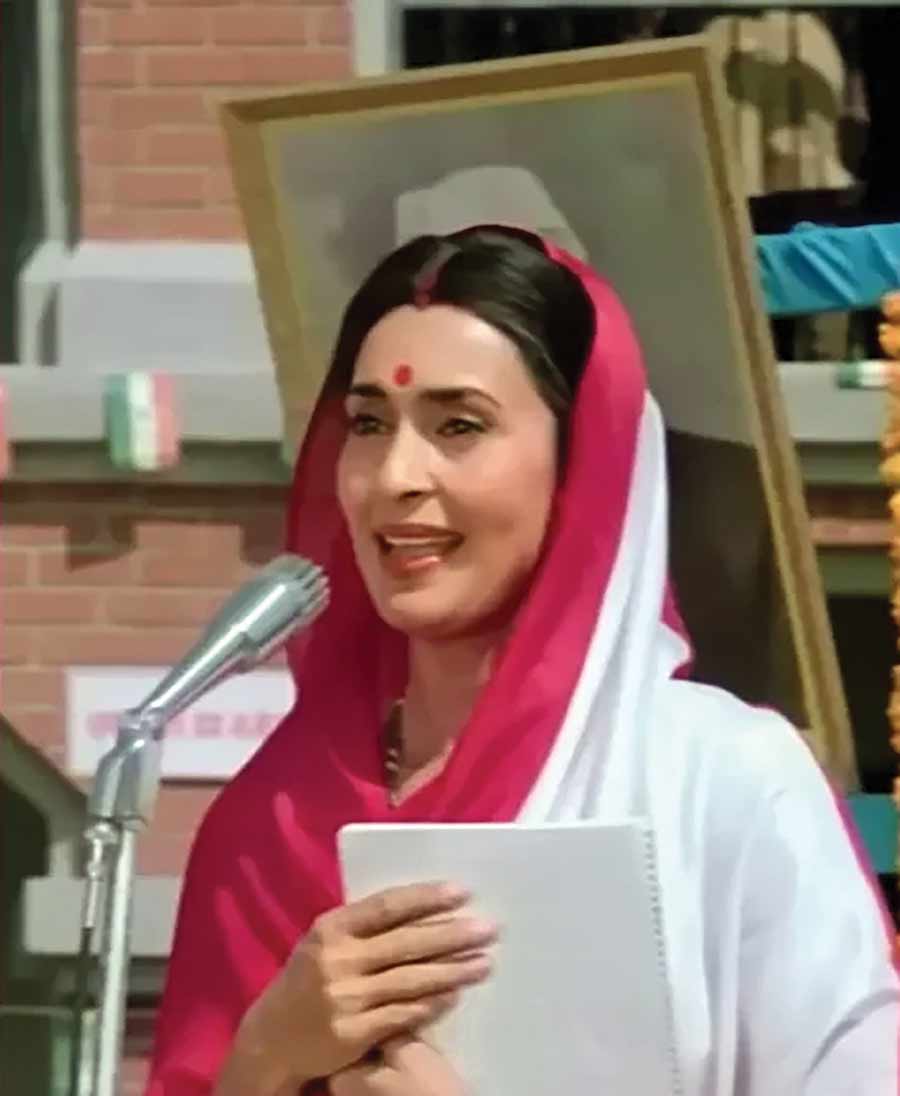
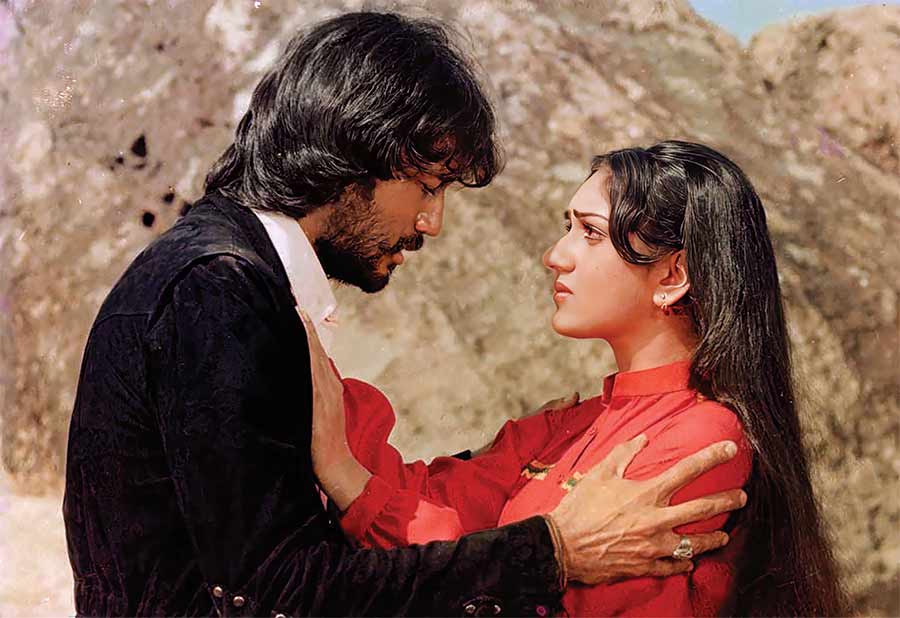
Subhash Ghai’s blockbuster Karma is a celebration of dharma and karma. It’s the narrative of a patriotic jailor (Dilip Kumar as Vishwa Rana), who believes that every criminal can be reformed. It’s also the tale of revenge and retribution, terror and treachery. Bakshi, a nationalist himself, penned the passionate pledge Dil diya hai jaan bhi denge aye watan tere liye… rendered by Mohammad Aziz and Kavita Krishnamurthy and composed by Laxmikant-Pyarelal. The lines Hindu Muslim Sikh Issai ham-watan ham-naam hain… further endorse that ‘secular’ is indeed ‘sacred’. An interesting innovation is in the version where ‘sanam’ replaces ‘watan’ by Vishwa Rana, who serenades his sulking wife Rukmini (Nutan). Her riposte, Sabse pahle tu hai, tere baad har ek naam hai, tu mera aaghaz tha, tu hi mera anjaam hai… is Bakshi at his romantic best.
Gali mein aaj chand nikla | Zakhm (1998)
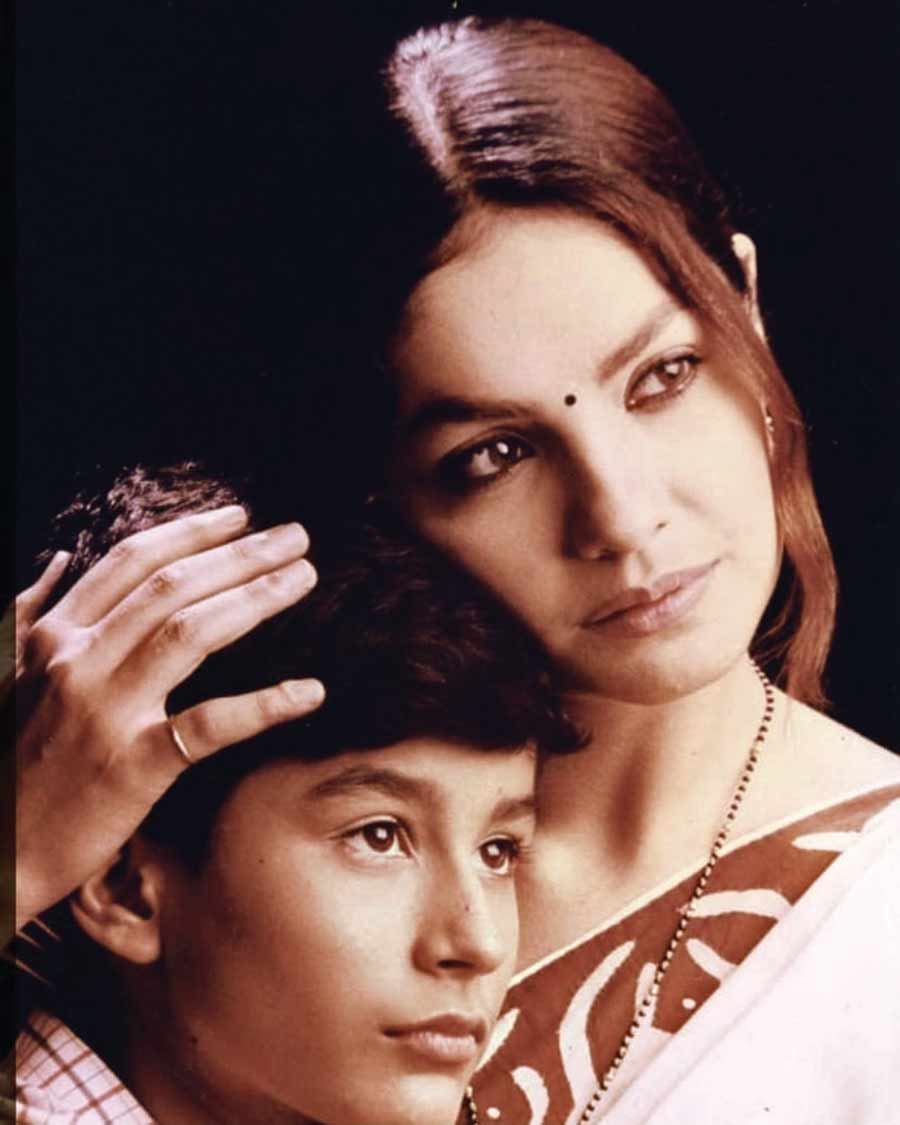
Mahesh Bhatt’s semi-autobiographical Zakhm is inspired from the life of his mother, Shirin Mohammad Ali, who yearned for social recognition vis-a-vis her relationship with filmmaker Nanabhai Bhatt. In Zakhm too, film producer Raman Desai (Nagarjuna) has a secret marriage with Noor (Pooja Bhatt) but it remains unacknowledged as they belong to different communities. Though he loves Noor, Raman’s unable to visit her frequently. Their son Ajay (Kunal Kemmu as a child actor) is aware of his mother’s pain and urges his father to call on her. And one night he does! Ajay, happy for his mother, plays her favourite record: Tum aaye to aaya mujhe yaad, gali men aaj chaand nikla… where the moon is the metaphor for Raman, a rare sighting in their lives. Ye naina bin kaajal tarse, baarah mahine baadal barse, suni rabb ne meri fariyaad, gali mein aaj chaand nikla… is in tandem with Noor’s ecstasy. MM Keeravaani’s shehnai conveying sadness, surprise and surrender signs off Bakshi’s sentimental stanza. Alka Yagnik does equal justice to Bakshi’s sad version rendered at Noor’s final farewell hinting at the surreal possibility of her meeting Raman in the afterlife. The verse goes… Aaj ka din umeed ka din hai, aaj toh meri Eid ka din hai, aye mere dil mubarakbad, gali mein aaj chaand nikla… endorsing the dream-merchant that Bakshi was! ν
Also Read: Rakesh Bakshi remembers father Anand Bakshi
Disclaimer : This story is auto aggregated by a computer programme and has not been created or edited by DOWNTHENEWS. Publisher: filmfare.com





