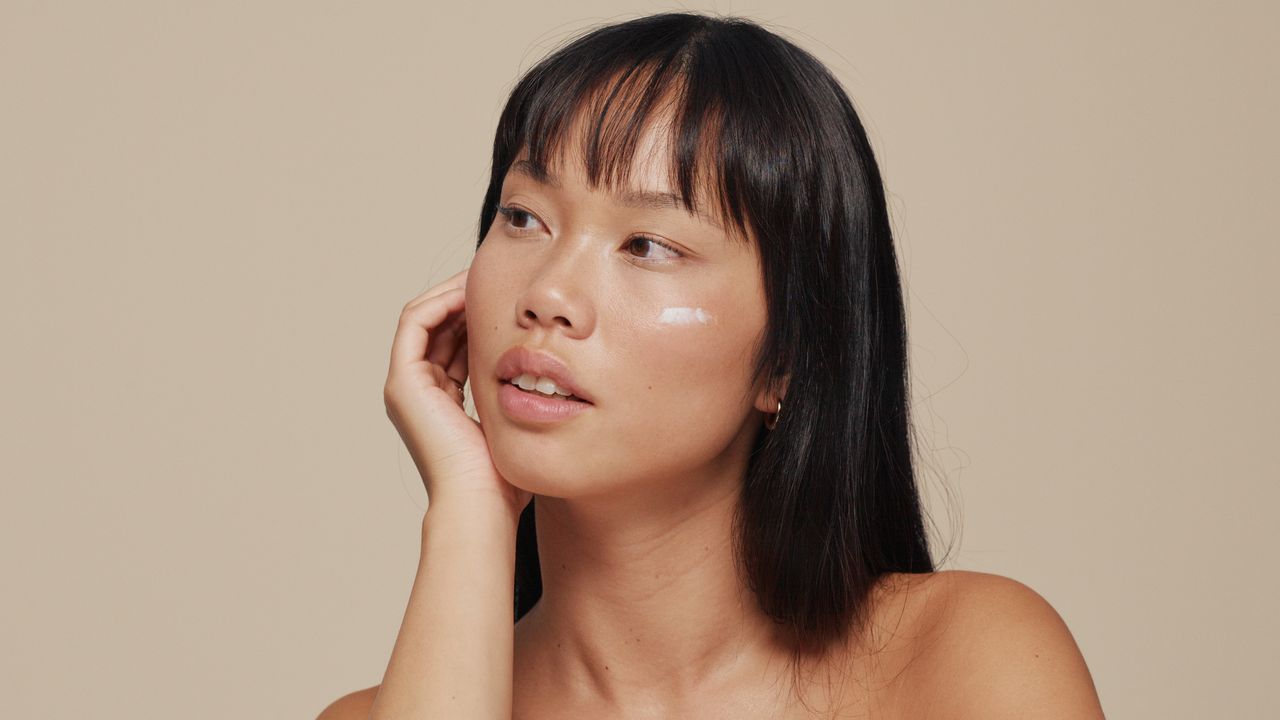
How is your skin feeling today: calm and bouncy or tight and itchy?? If you picked the latter, you may be dealing with dry skin. Don’t worry—parched or rough skin isn’t something you need to battle for the rest of your life. With a little TLC and the right products, you can defeat it, or at least deal with it effectively.
You’ve probably got some questions, like which products to use, what to stay away from, and how to incorporate a retinol into your routine without it wreaking havoc on your complexion. Ahead is a complete guide to building a dry-skin routine, which we put together with advice from a few trusted dermatologists. They’re here to share their wisdom and best product recs to help you stock your shelves and soothe your skin.
What actually is dry skin?
According to Sejal Shah, MD, a board-certified dermatologist in New York City, xerosis—or the formal medical term for what you’re experiencing—happens when skin lacks the necessary factors (like lipids) to maintain a healthy skin barrier. Without these essential components, the barrier becomes less effective at retaining water and keeping irritants out, Dr. Shah explains, and soon you’ve got the perfect recipe for “thirsty” skin.
For starters, you’ll likely notice a rough, flaky, or scaly texture; peeling; dullness; or even cracking if the dryness is particularly severe, says Dr. Shah. In general, the skin feels uncomfortable, whether irritated or tight, so you’ll know if something is wrong.
Dry skin and dehydrated skin are not the same thing, though they sound similar and their symptoms can overlap, says Dr. Shah. The former is defined by a lack of oils, where your skin barrier is thirsty for fats that make skin feel hydrated, bouncy, and happy. Dehydrated skin, she explains, is about a lack of water. This is “generally considered a temporary skin condition and can happen to any skin type, even oily skin,” Dr. Shah adds. “For example, someone can have oily but dehydrated skin, which may look oily while still feeling tight or uncomfortable.” Dehydrated skin is typically caused by dry air, harsh skin care, or the weather.
The basics of dry skin
Dry skin usually manifests as a skin type rather than an occurrence, like a breakout; however, it can also be caused by weather (dry air, frigid temperatures), lifestyle elements (regular swimming in chlorinated pools or high indoor heating), hormonal shifts, and aging. Caren Campbell, MD, a board-certified dermatologist in San Francisco, says dryness often becomes more common as you age “because the skin produces less oil and sweat and loses some of its ability to hold onto moisture.” In addition, women and smokers are also more likely to deal with dryness.
Disclaimer : This story is auto aggregated by a computer programme and has not been created or edited by DOWNTHENEWS. Publisher: www.allure.com