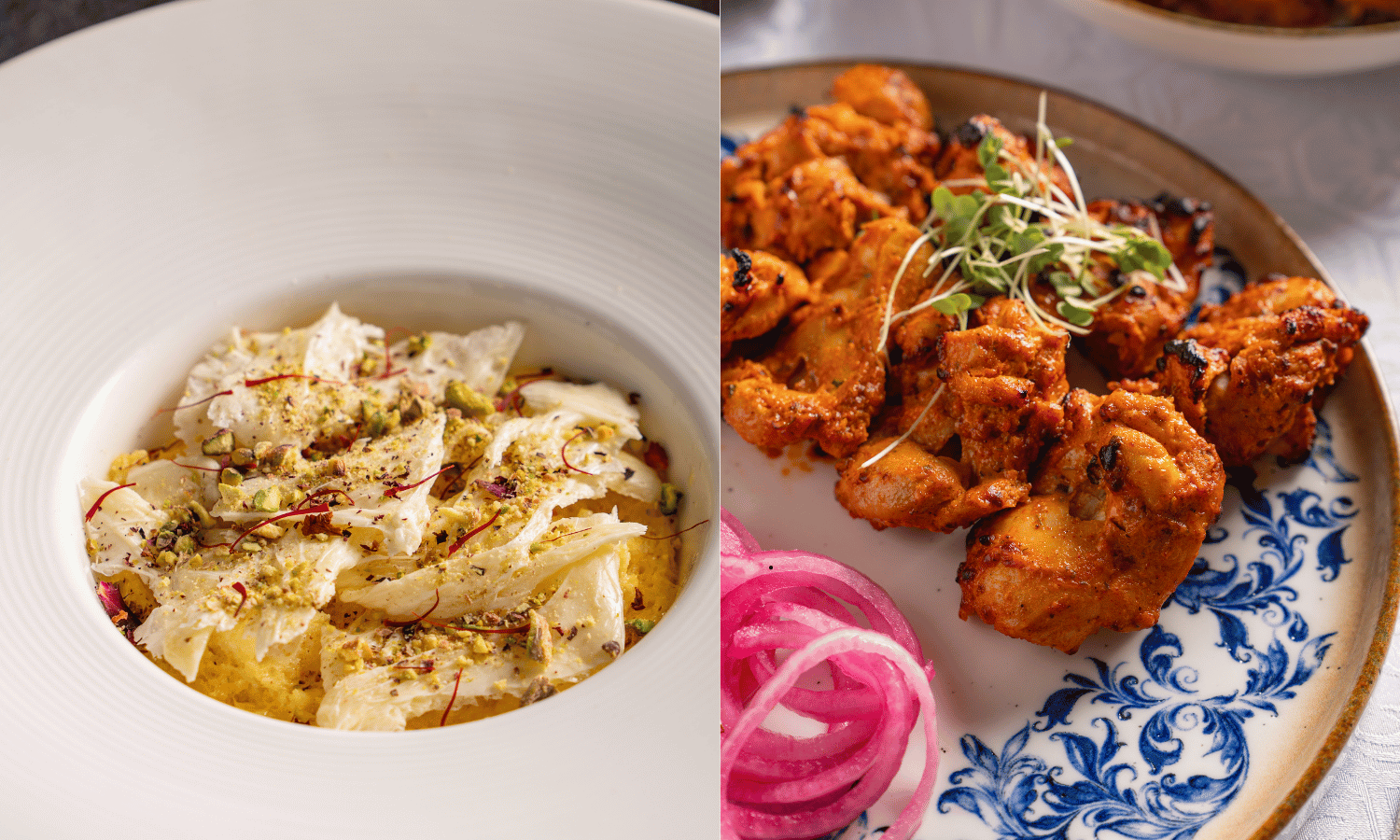
At Kanak, the Indian speciality restaurant at Trident Hyderabad, diners are being offered a rare culinary journey into one of North India’s lesser-known royal food traditions. Titled ‘Rooh of Rampur’, the limited-period food festival brings the nuanced flavours of Rampuri cuisine to the city, inviting guests to savour dishes once enjoyed in the kitchens of a princely state.
The festival, running from June 10 to June 15, is curated by Chef Sirajul from Trident Nariman Point, Mumbai, and showcases a menu inspired by the culinary heritage of Rampur, a princely state founded by the Rohilla Pathans in 1774. Known for its refined cooking techniques, delicate spicing and slow-cooked preparations, Rampuri cuisine occupies a unique space between Awadhi elegance and its own distinct culinary identity.
Chef Sirajul
For Chef Ananya, who has been spearheading a series of regional food promotions at Kanak, the idea was born from a desire to move beyond familiar regional cuisines and delve deeper into India’s micro-regional culinary traditions.
“People have tasted Awadhi food, Lucknowi food and Hyderabadi food. But Rampuri cuisine comes from a princely state close to Lucknow that shares certain influences while remaining completely different. I wanted to focus on micro-regional cuisines that people may not have experienced before,” she says.
Having roots in Lucknow herself, Chef Ananya felt a personal connection to the cuisine and saw an opportunity to introduce Hyderabad diners to a culinary tradition that rarely receives the spotlight.
“Most of these dishes come from the royal families of Rampur. We referred to historical sources and connected with people familiar with the family’s culinary traditions to showcase recipes that were actually enjoyed by the Rampur royals,” she explains.
The result is a menu that feels both nostalgic and revelatory. From the earthy crunch of Kamal Kakdi Kebab and the robust Rampuri Chapli Kebab to the comforting richness of Yakhni Pulao, Baurani and freshly baked Sheermal, every dish tells a story of heritage and craftsmanship.
Among the many offerings, Chef Ananya has her own favourites.
“The Dudhiya preparation is one of my favourites, along with the Rampuri Chapli Kebab and the taar korma. They beautifully represent the character of the cuisine,” she says.
The festival also marks another step in Kanak’s evolving culinary identity. Since joining the hotel less than a year ago, Chef Ananya has introduced guests to a variety of regional food experiences, from Telugu and Punjabi specialities to lesser-known culinary traditions.
“We wanted Kanak to be seen as a place where people can explore Indian cuisines that are not usually available elsewhere. These are cuisines that even many established restaurants and hotels haven’t showcased in Hyderabad. The response to our previous promotions has been encouraging, and we are excited to see how guests embrace Rampur,” she says.
For Chef Sirajul, the festival is the culmination of years spent researching and presenting India’s diverse regional cuisines across the world. His fascination with Rampur stems from its rich culinary legacy and the depth of technique hidden behind seemingly simple dishes.
“Rampuri food is all about balance. We have tried to keep the flavours authentic while making minor adjustments to suit local preferences. The cuisine is not about excessive spice; it is about depth, aroma and slow cooking,” he says.
That philosophy is evident in the festival’s signature offerings, and preparations that rely heavily on stocks, roasted ingredients and painstakingly slow-cooked gravies.
Chef Sirajul believes that the growing popularity of slow-cooked food is no coincidence.
“When food is cooked slowly, the flavours develop differently. It becomes easier to digest and allows ingredients to release their full character. Traditional cooking methods bring out a depth that fast cooking often cannot achieve,” he explains.
The menu also highlights Rampur’s fondness for luxurious ingredients such as almonds, dry fruits, saffron and rich stocks, creating dishes that feel indulgent yet surprisingly restrained.
Interestingly, the festival has been designed with equal attention to vegetarian and non-vegetarian diners. While the cuisine is historically celebrated for its meat preparations, guests will find thoughtfully curated vegetarian options that showcase the same complexity and elegance.
In fact, vegetarian diners are spoilt for choice, with dishes such as Kathal Masala, Arbi Ka Salan and Amla Subzi showcasing the depth and diversity of Rampuri cuisine.
The desserts elevate the experience further. From the fragrant Sheermal infused with almonds, saffron and cardamom to the luscious Fig and Saffron Phirni that melts in the mouth, each sweet offering reflects the cuisine’s royal heritage. The Zarda Rampuri, generously studded with pistachios and scented with saffron and rose, is a fitting finale. According to chef Sirajul, the liberal use of dry fruits, saffron and nuts is characteristic of Rampuri cooking, a cuisine shaped by royal kitchens where meals were crafted with both indulgence and refinement in mind.
The dishes on offer at Kanak are familiar enough to comfort yet distinctive enough to surprise. Every bite reveals subtle flavours, the smoky undertones and the remarkable restraint that defines Rampuri cooking.
Hyderabad is celebrated for its own rich culinary heritage and ‘Rooh of Rampur’ at Trident offers something refreshingly different, a chance to explore a forgotten royal cuisine that tells the story of history, migration, culture and craftsmanship through every bite.
Disclaimer : This story is auto aggregated by a computer programme and has not been created or edited by DOWNTHENEWS. Publisher: deccanchronicle.com