
I didn’t know I’d been hosting a parasite for years – until the most intense pain of my life
-
Published
A farmer living with slow-growing cysts caused by a tapeworm says he had no idea anything was wrong – until the worst pain of his life.
Meredydd Jones, who is 86 and lives in Trecastle in Powys, was diagnosed with hydatid disease – a rare condition which is a particular risk to sheep farmers.
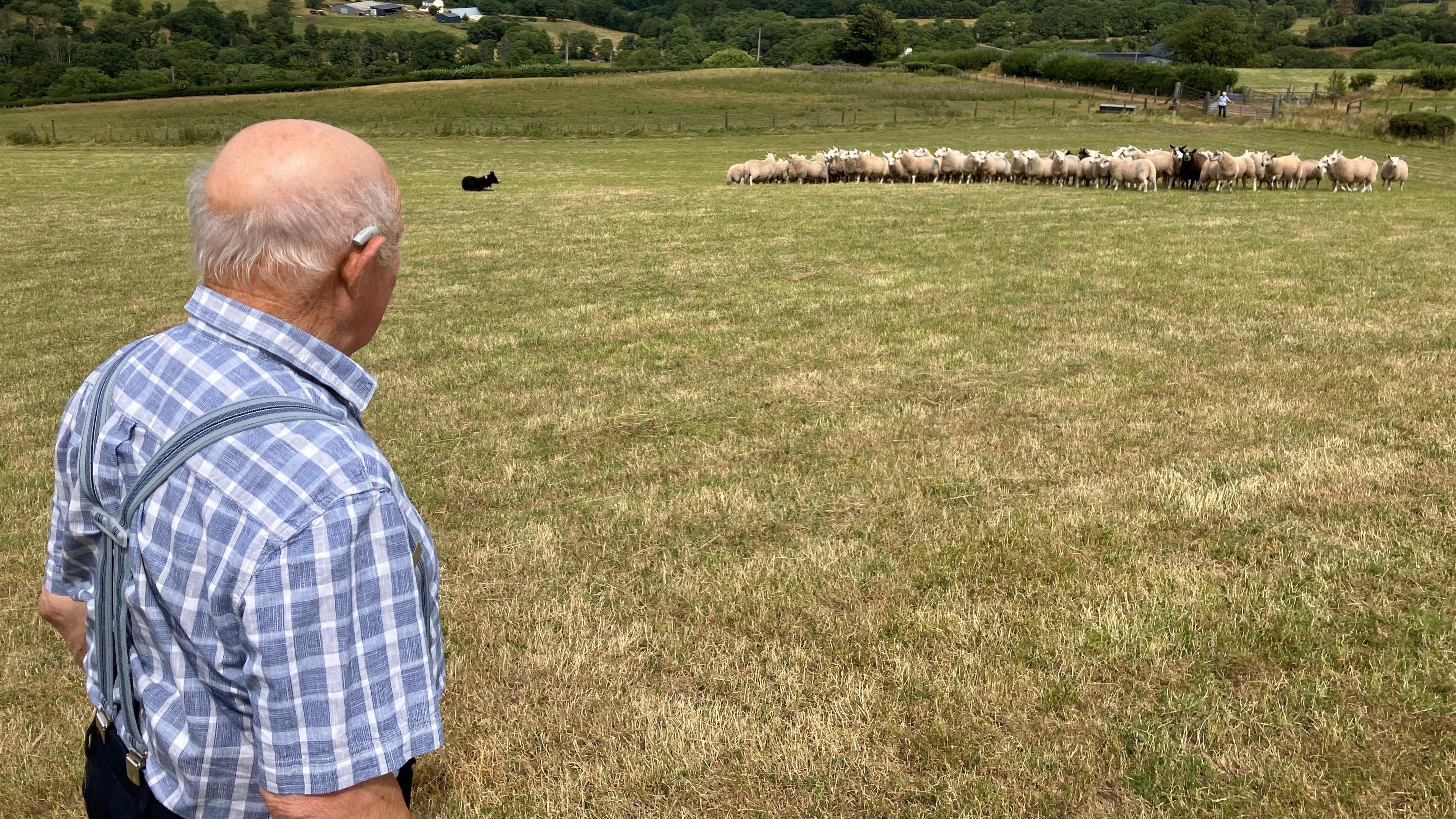
He thinks he had lived with slow-growing cysts on his lungs for years, before having two operations to remove them in 2018 and 2019.
A pioneering Aberystwyth University research project will track sheepdogs via GPS, aiming is to understand how common the disease is in mid Wales.
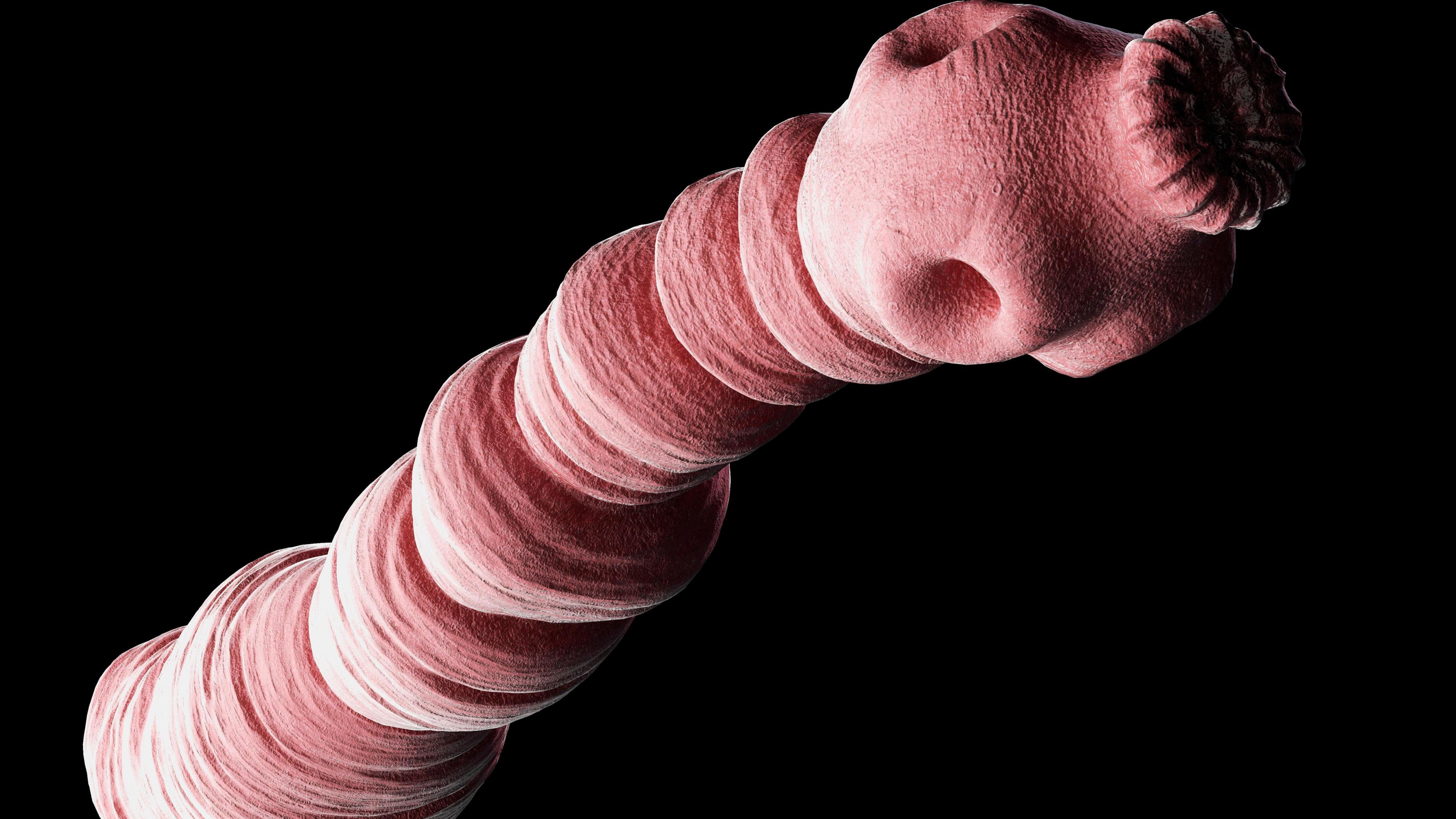 Image source, Getty Images
Jones remembers the May 2016 night when he went into hospital – he was supposed to go out to a dinner with his wife Eileen, but he stayed at home as he felt unwell.
“I hadn’t been able to control the pain, and it was more intense than anything I had before.
“Then about midnight, we had to call the ambulance, and they took me to Nevill Hall. Whatever they gave me there cured the pain. I haven’t experienced pain like that before.”
Jones was in hospital for 10 days, and says the doctors there suspected he had hydatid cysts immediately.
He said “There was a lot of it around this area at the time, and I remember the Ministry of Agriculture giving worming treatment to the dogs on the local farms.
“Whether they could see that I was an old sheep farmer or not, that might have had a bearing on it. We had plenty of experience in this area – Breconshire as a whole – of hydatid cysts, people that have suffered through it, numerous examples.”
Jones was then referred to “the main expert on hydatid cysts” in London where he had two operations in 2018 and 2019 to remove them, one from each lung.
“I swapped two cysts for two scars on the ribs,” he said, adding that he still has a cyst on his liver, which surgeons decided not to remove.

What is hydatid disease?
Hydatid disease can be passed from dogs to humans, and public health campaigns about 25 years ago highlighted the importance of regular worming treatments and hand hygiene after handling animals.
But researchers say there is recent evidence of hydatid disease appearing again in sheep and dogs.
Public Health Wales (PHW) says although uncommon in Wales, it remains “a significant public health concern because of the potentially serious health consequences for affected individuals”.
Dr Chris Williams, a consultant epidemiologist with PHW, said: “It can be very serious for humans. It’s caused by a tapeworm, and what happens is normally the tapeworm transmits between farm animals like sheep and cows to dogs, (and) the dogs excrete eggs.
“Unfortunately, if humans ingest the eggs, usually from dogs, that can then form cysts within humans, which are very unpleasant, cause swelling, pain, etc. and require surgical treatment.”
He added it can be 10 or 20 years before symptoms appear.
“So we need to address the problem early on at the point where we’re starting to find it in dogs and carcasses rather than waiting for human cases.”
The tapeworm, which causes the disease, is considered endemic in mid Wales due to the prevalence of sheep farming in the area.
Dr Gwenllian Rees, from Aberystwyth University’s School of Veterinary Sciences, is supervising research which will study human-dog interactions and analysis of faecal samples.
Rees said: “It’s really important for us to understand the levels of this disease in mid Wales at the moment, the risks to farmers, and the way that this disease is being transmitted or not at the moment in Wales.”
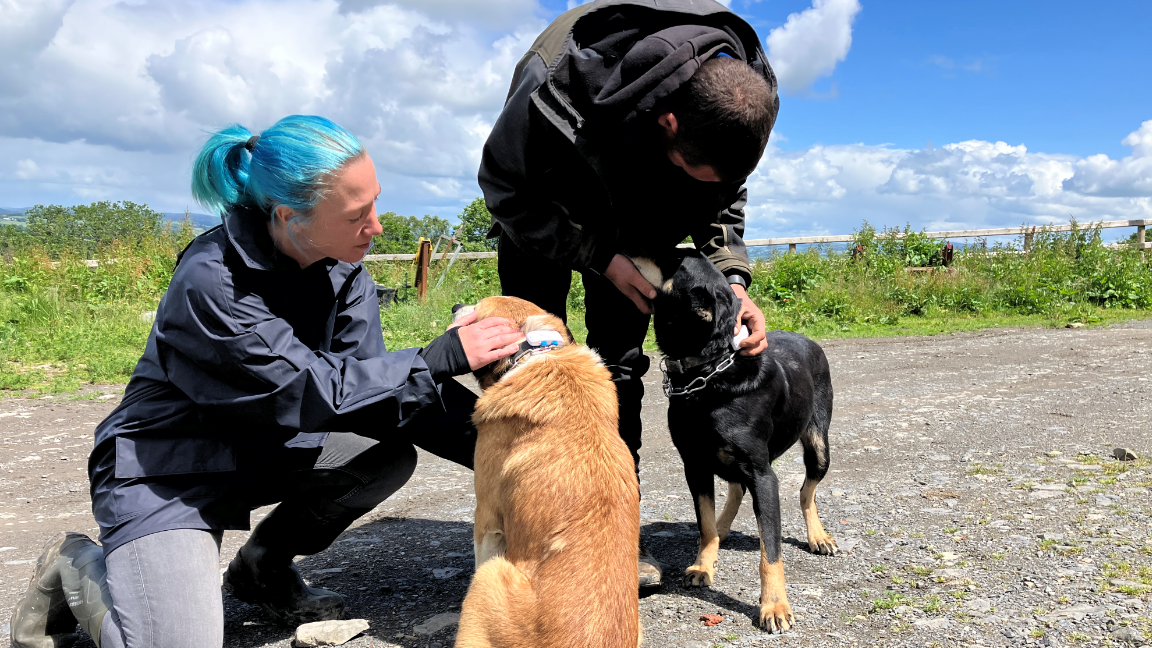
Keira Washtell, a PhD researcher on the Aberystwyth University project, said trackers on dogs’ collars will help understand how they move across the landscape.
“They will ping off a signal showing us exactly where the dog is – where that dog has moved across the fields, whether they’re going into other farms, moving into different farm dogs’ areas potentially,” she said.
“By doing that, we can get an idea or an understanding of potentially how the disease, and how tapeworms are actually moved across the landscape.
“The dog has to actually ingest the cysts, so there will be infected parts of the tissue from a dead or fallen ewe or ram.
“The hope is that by tracking their movements, it’ll give you clues if that has actually happened.”
More top stories
-
-
Published14 hours ago

-
-
-
Published14 hours ago
-
-
-
Published8 hours ago
-
Disclaimer : This story is auto aggregated by a computer programme and has not been created or edited by DOWNTHENEWS. Publisher: BBC