
Jonny Wilkinson is remembered as one of the greatest fly-halves to have ever played the game. So what was it like competing with him for the England No 10 jersey?
Four days before the match that will transform him into a national icon, Jonny Wilkinson is clutching the World Player of the Year award and revealing how regular chats with David Beckham, the world’s highest-paid footballer, help him keep a “balanced mind” going into the 2003 Rugby World Cup final, writes Alex Spink.
“David has phoned a few times since the start of the tournament,” he says. “It’s great to get that support from someone who knows what it’s like to be an athlete in these sort of pressured circumstances.”
As the final draws closer, a cut-out-and-keep Wilkinson voodoo doll appears in the Australian press. ‘Stop Jonny’ T-shirts are on sale around Sydney. Sir Bobby Robson, who led England’s football team to a World Cup semi-final, is asked about the fly-half.
“That young man,” he says, “is an ideal role model for everyone in sport.”
The big match is won dramatically in extra-time by Wilkinson’s drop-goal. Within hours, financial experts estimate the Surrey-born sharpshooter stands to make in excess of £25 million over the next three years from endorsements alone.
Imagine being another English fly-half at that time, trying to grab a piece of the limelight. Especially when Wilkinson’s response to the fame and fortune is to put his head down and work even harder.
“All this attention is not my idea of heaven,” the 24-year old says. “I’m not going to let anything get in the way of my rugby.”
As it happens, injuries prevent him playing again for England for over three years. Others get a look-in but at the first opportunity he is recalled and marks his return with a record-breaking 27-point Calcutta Cup haul. Eight months after that, he starts another World Cup final.
He is not done with injury misfortune. In the three years between March 2008 and August 2011, Wilkinson plays only seven of 33 Tests. Yet the next World Cup rolls around and there he is, back in the No 10 jersey. Fourteen years from debut to retirement, 91 caps from the 157 Tests that spanned his career. Wilkinson started at fly-half on 75 occasions.
So how was it for the understudies, players who time and again found their path blocked by an all-time great?
Rugby World sat down with the five players nearest to Wilkinson on the list of England fly-half starts from 1998-2011 to pose the question: how was it for you, living with a legend?
Looking for the perfect 10: Those who competed with Wilkinson
Who started at fly-half between Jonny Wilkinson’s debut off the bench in March 1998 and his farewell Test appearance in October 2011.
75 – Jonny Wilkinson
25 – Charlie Hodgson
20 – Toby Flood
12 – Paul Grayson
7 – Andy Goode
5 – Olly Barkley
5 – Mike Catt
4 – Danny Cipriani
2 – Josh Lewsey
1 – Alex King
1 – Austin Healey
1. Charlie Hodgson
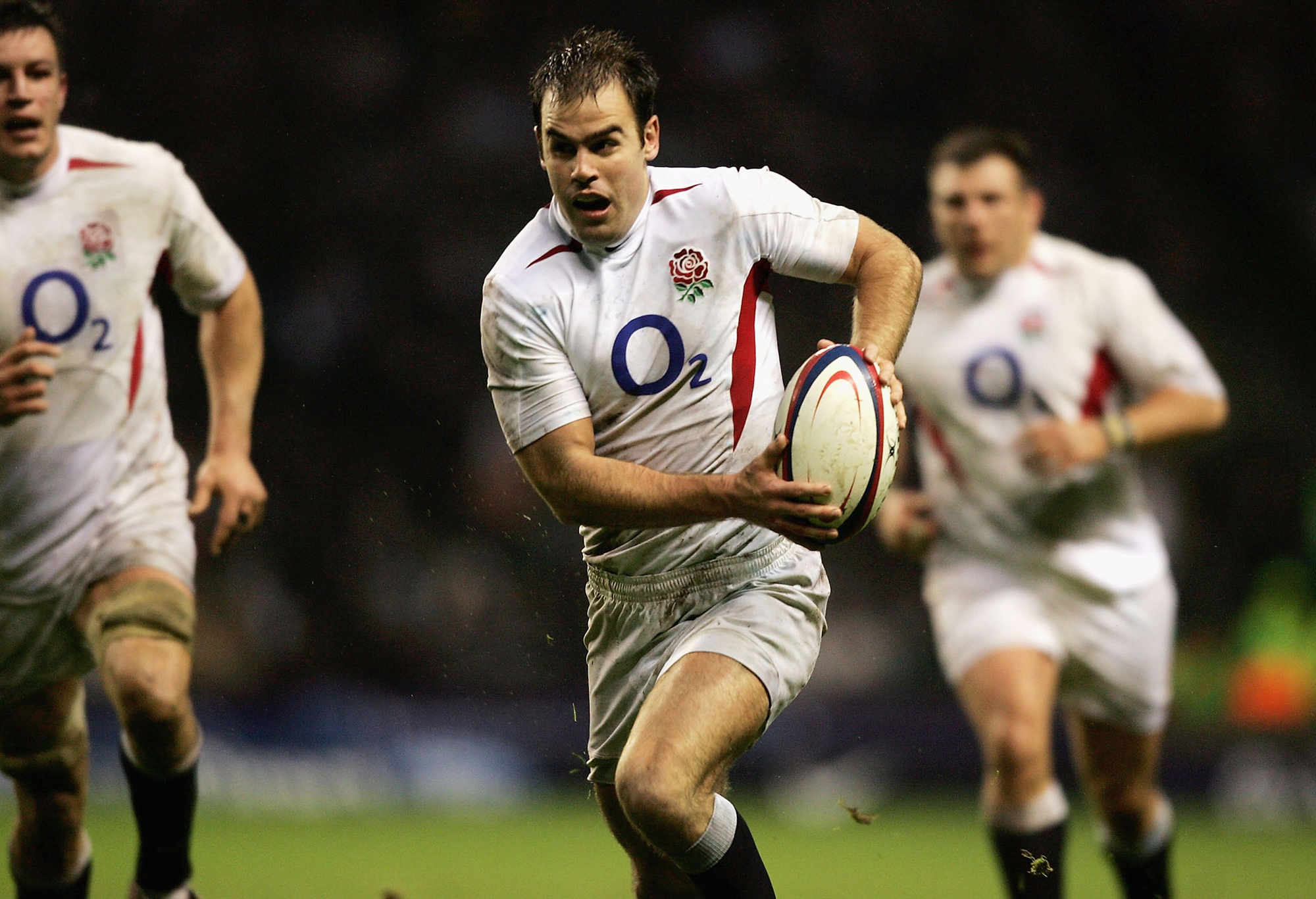
(David Rogers/Getty Images)
- 2001-2012
- 38 caps
- 25 starts in Wilkinson era
“Competing with Jonny, it almost felt inevitable I was second choice. If he was around and fit, I always felt he was going to get selected. When I did play, given the noise that surrounded him, my sense was I was there because Jonny was injured, rather than because I’d done well to get the spot.
“Jonny deserved the shirt, I’m not sitting here thinking, ‘It should have been me’. I don’t for one minute think that at all. I knew I was competing against somebody unbelievable in the position.
“Take the fitness tests, when we were grouped by position. Jonny wouldn’t just smash the fly-halves, he’d smash everybody. He made us all look very average. My time just coincided with an incredible player, one who gave so much to the game, sometimes to his detriment because he got injured. You could never fault his commitment or ability. Having somebody like that ahead of you focuses your efforts. There was always a benchmark for me to go after, things to improve. Competing with him raised my standards.
“What I learned quickly, however, was to manage my own energy, rather than try to be somebody I wasn’t. There was a point I was trying to keep up with him in kicking practice after sessions and I physically couldn’t. What was right for him wasn’t right for me – we were different players. His strengths aligned to the way the team played at the time, so I reflect on my England career as a bit of a rollercoaster. There were things that happened to me through injury, through performance, through selection and also in terms of culturally, in terms of the environment I was in and the coaches there, that played into that rollercoaster.
“If I’m honest, I don’t look back on it with huge fondness. I think part of that, maybe, was because a lot of the time I felt I was simply filling a space until Jonny came back, as opposed to being in on merit.”
2. Toby Flood
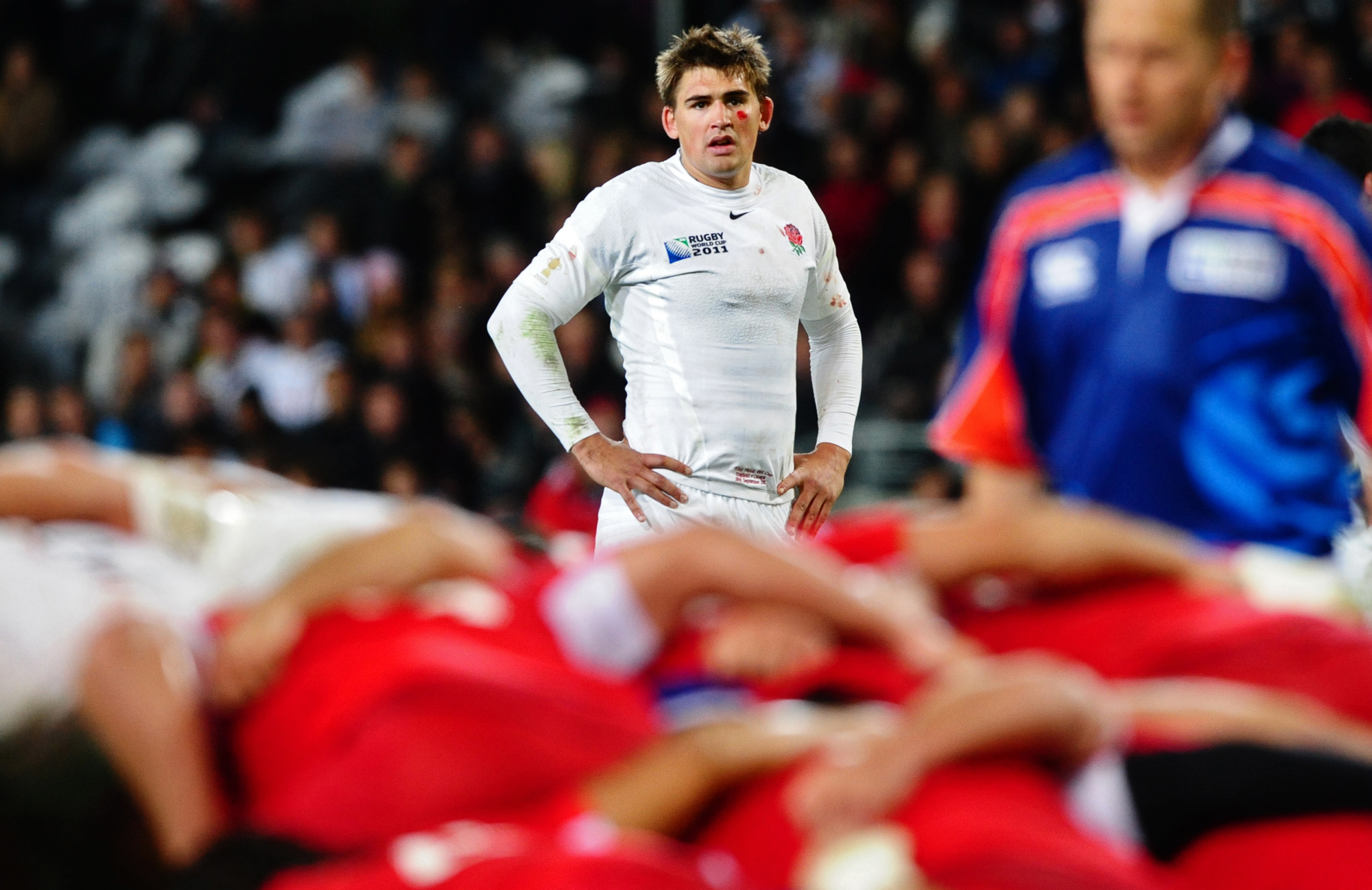
(MARTIN BUREAU/AFP via Getty Images)
- 2006-2014
- 60 caps
- 20 starts in Wilkinson era
“What Jonny achieved in 2003 meant there was always going to be a deep-rooted relationship between him, the media and fans. Most especially fans. It required something pretty spectacular to usurp him. There were times in my career where he was exceptional and there was nothing I could do about it; other times, I felt I was getting close to being on a par with him and offering something completely different.
“In 2011 we won the Six Nations and I started every game at 10. Six months later, Jonny took the jersey in the World Cup. I have to take ownership of that. Yes, Jonny made himself an easier pick because of what he’d done previously. But my form wasn’t where it needed to be.
“As time passes, there is that thought of ‘what might have been?’ but I didn’t have the trauma – maybe trauma’s too strong a word, let’s say complicated relationship – that others maybe had. I was pretty happy our careers overlapped.
“I looked up to him as the best player in the world and, to begin with, wondered why he worked so hard. Jonny taught me you don’t get one without the other. I learned from his drive. I was fortunate I could play 12 alongside him, which lessened the blow – it wasn’t one in, one out. I didn’t feel I was always up against the Jonny behemoth.
“I know Charlie (Hodgson) struggled with it. He was the best fly-half in the country by a mile after 2003, when Jonny was injured. But stepping into Jonny’s boots was like filling the vacuum left by Alex Ferguson at Manchester United. That level of expectation, in a side that was in flux as well, was never going to be easy.”
3. Paul Grayson
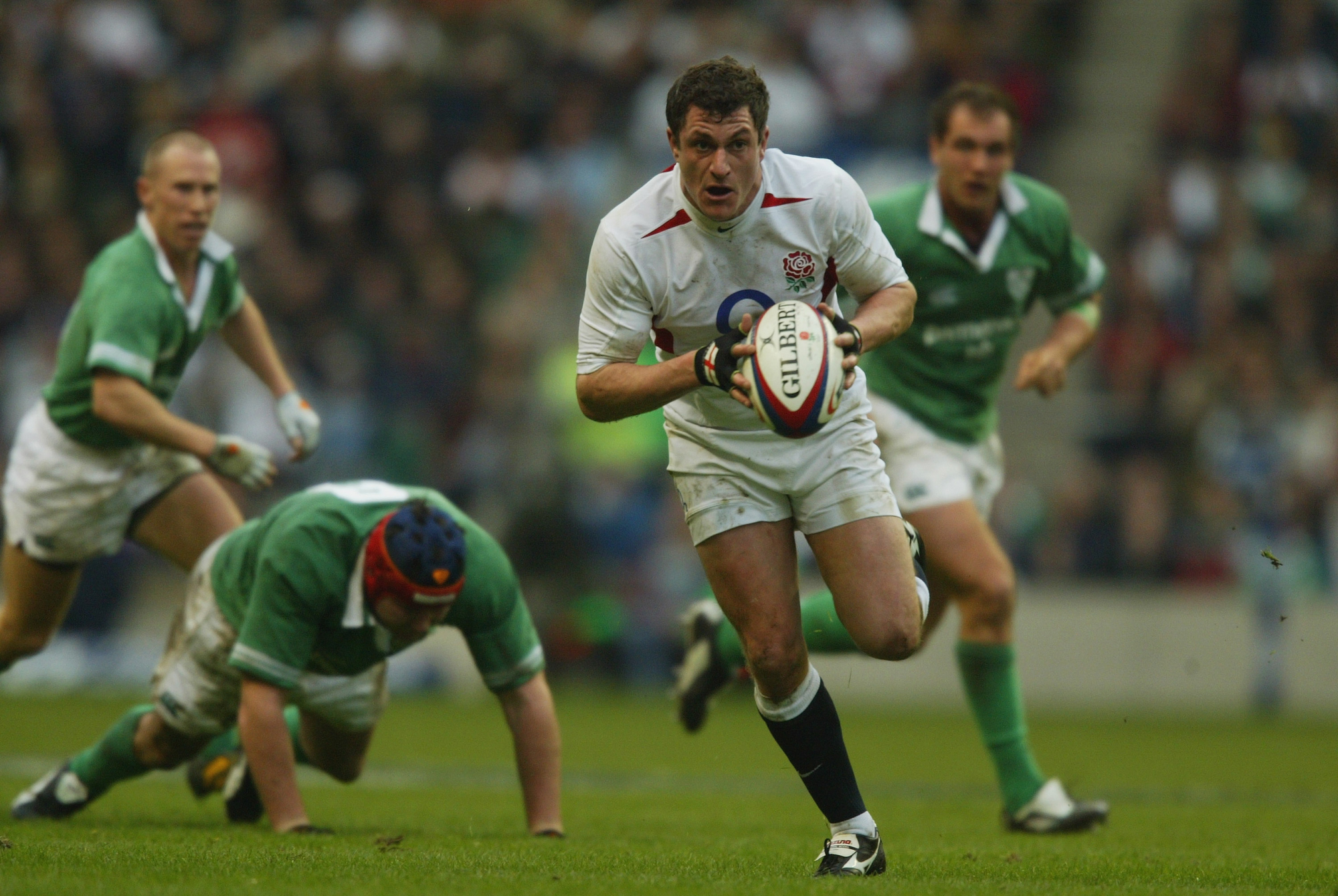
(David Rogers/Getty Images)
- 1995-2004
- 32 caps
- 12 starts in Wilkinson era
“There are players that come along who change the way the game is perceived. Jonny was one and he deserved all that came his way. People remember the goals he kicked, but he absolutely moved the needle as a defensive fly-half. He was a dynamic, fearless, destructive tackler.
“I’d been in and around the England team for three years when this kid came in, to begin with at centre. Very quickly we all looked at ourselves and realised we weren’t training hard enough. Jonny and I spent an inordinate amount of time kicking together and I loved it.
SEE MORE: Buy our fly-half special with cover star Richie Mo’unga
“But sometimes, his need to satisfy and keep those internal voices quiet pushed him to a point where he’d be doing all the same stuff again on his own away from international and club. Did I ever feel I should encourage him to rein it in a bit for his own wellbeing? I don’t know we were aware enough at that time. Certainly after 2003, I did feel he needed protection, not necessarily from himself but from the wider world.
“You shouldn’t have regrets about your career but a sliding doors moment for me was the Five Nations prior to the 1999 World Cup. We played in Ireland, me at 10, Jonny at centre, and won well. I think that would have carried into the World Cup had I not suffered a stress fracture in my pelvis. He moved to 10 and, although I was recalled for the quarter-final, it was a matter of time before he made the shirt his own. By 2001 he had England playing some of their best rugby ever.
“I took on a new role backing up this lad who was fast becoming iconic. Being his replacement came with some pressure. He’d land goals from everywhere, make more tackles than anybody, cover more yardage. He was a genuine game changer. Make a list of the best-ever fly-halves and he is right up there. No question.”
4. Andy Goode
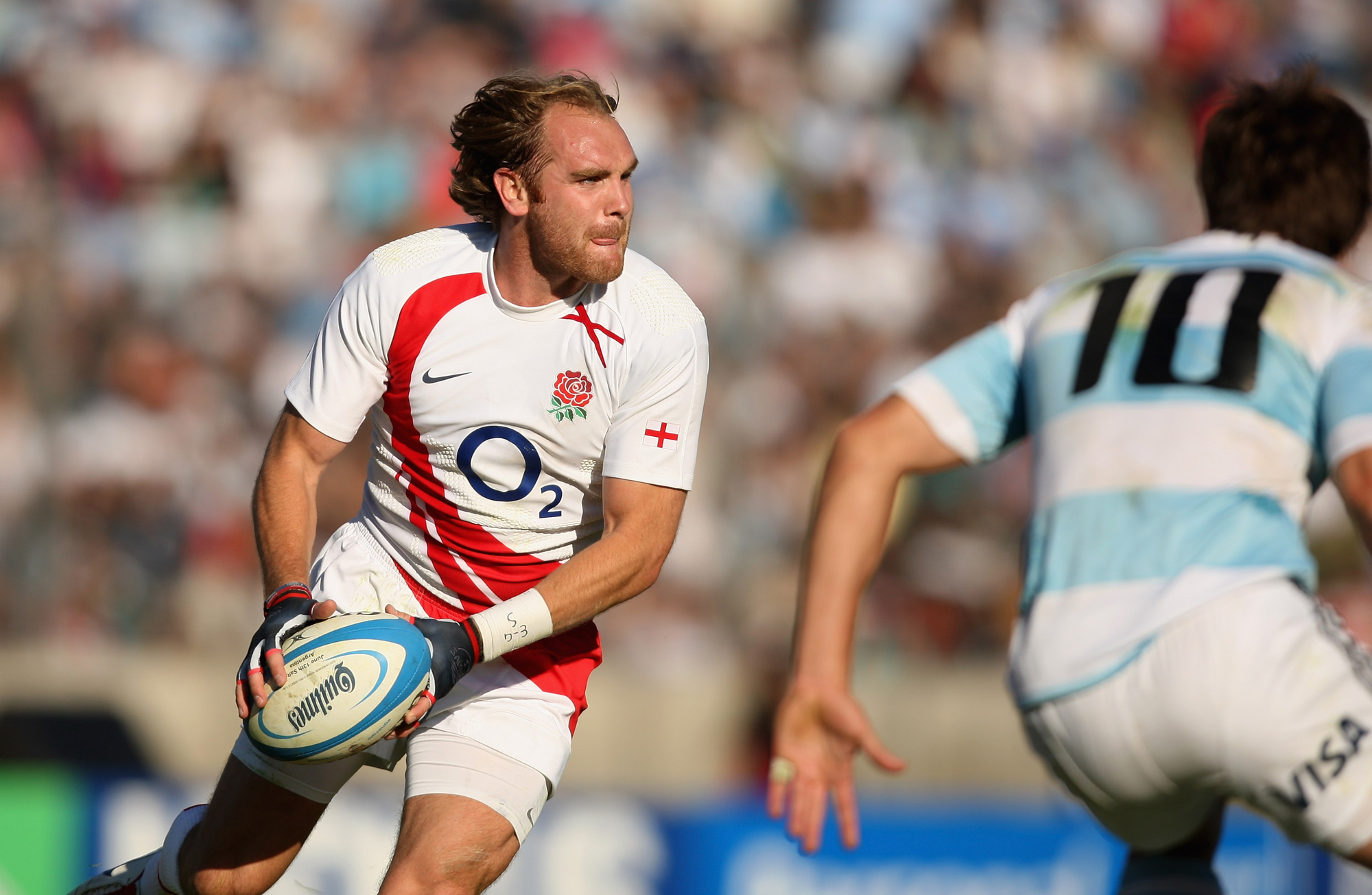
(Warren Little/Getty Images)
- 2005-2009
- 17 caps
- 7 starts in Wilkinson era
“Jonny was the best English fly-half in our era by a country mile. He was the standard bearer, the standard setter, a global icon. I learned so much from him. Did I ever think I should have been picked ahead of him? Absolutely not. Ahead of other fly-halves? Yeah, 100%.
“Some guys find it difficult to be honest around hierarchy and where they stand in a squad. But I knew my place in the pecking order. What I tried to be was as driven as possible. Also, to fit around the team because I knew I was reliant on injuries and the form of others to get an opportunity.
“Probably only Olly Barkley might have thought he could compete with Jonny. Charlie was wonderfully gifted, the best passer of a ball I’ve seen. But we all struggled to compete because Jonny was that good.
“Charlie and Danny Cipriani could have 10/10 days, but Jonny was 9/10 every time. Sometimes a 10/10. Like LeBron James in basketball, Harry Kane in football, Tiger Woods in golf, Jonny was a once-in-a-generation player. There’s no higher praise than that.”
5. Olly Barkley
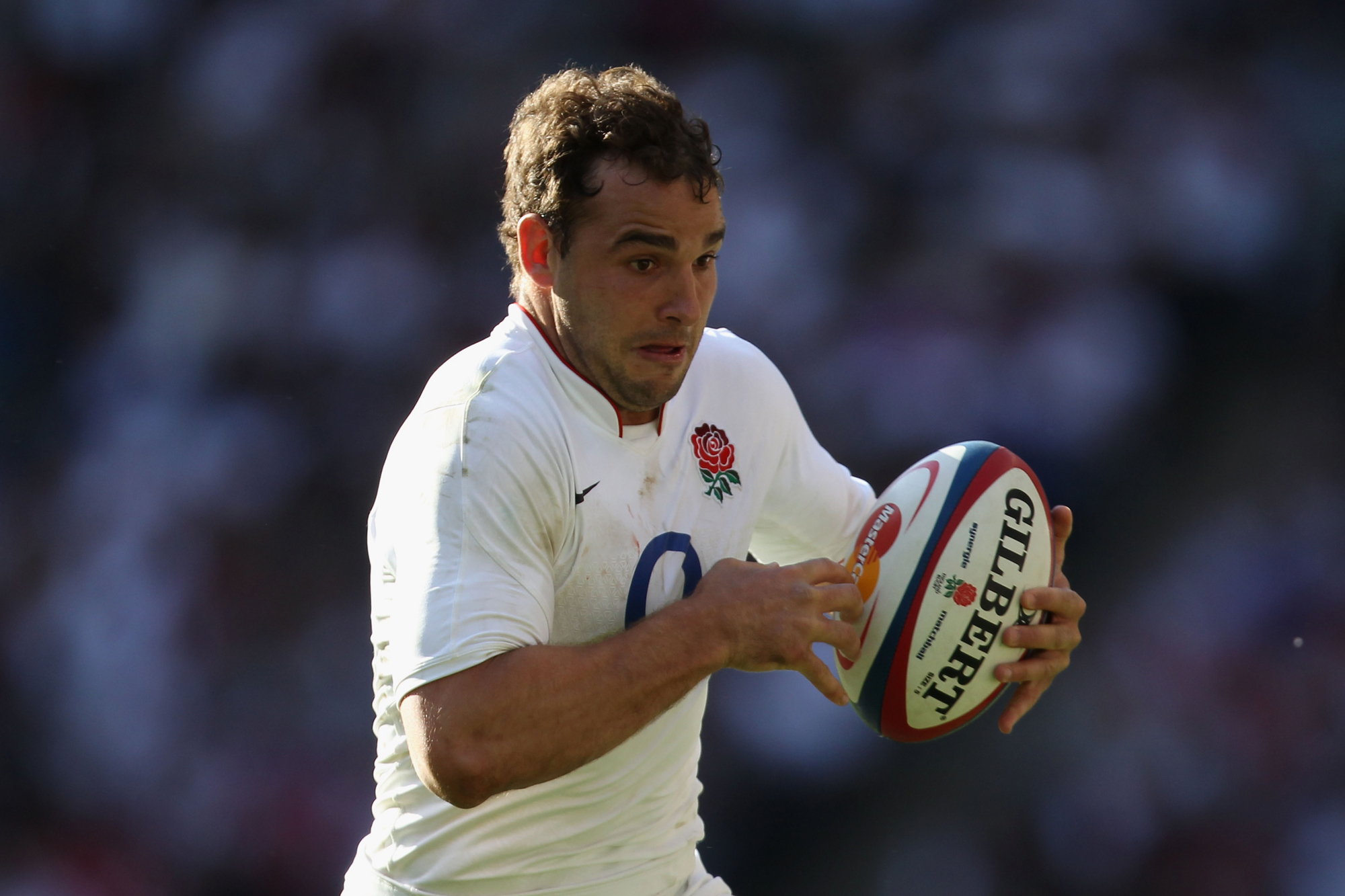
(Bryn Lennon/Getty Images)
- 2001-2008
- 23 caps
- 5 starts in Wilkinson era
“To me it felt that if Jonny was injured, we were keeping the shirt warm. And I mean all of us. Careers were halted and diminished as a result but for good reason. He dominated everything and everyone. On the ball he was lethal at the line, off it you weren’t getting through him. At his best I’d say he was up there with Steph Curry, Tom Brady and Michael Jordan: athletes that could change a game on their own. If he didn’t play, the team was 15 points worse off.
“I was always one for work ethic and dedication to craft. Being around Jonny, that went up to another level. He hit levels in training and in games that very few were capable of. Probably only Charlie had enough quality to have ousted him. I was fortunate to also have the 12 jersey in my locker, so for me it wasn’t 10 or nothing.
“If you wanted to be in the mix you had to sharpen up. Floody will tell you, at Newcastle Jonny massively dragged up the average input of that team through the way he trained and handled himself. That is some legacy.”
Download the digital edition of Rugby World straight to your tablet or subscribe to the print edition to get the magazine delivered to your door.
Disclaimer : This story is auto aggregated by a computer programme and has not been created or edited by DOWNTHENEWS. Publisher: rugbyworld.com