
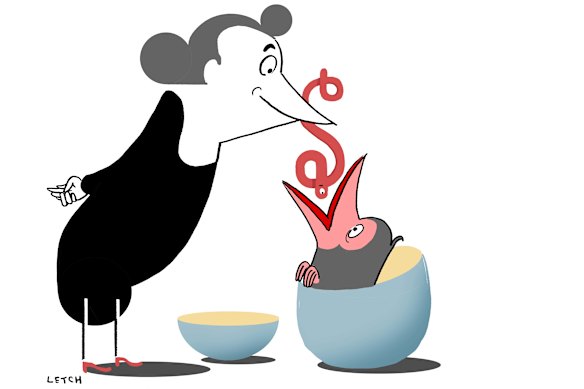
I’ve recently inherited a lump sum and would love to set aside $65,000 for each of my three kids (one adult, and two aged 16 and 12) to invest and hopefully grow into a future home deposit.
The eldest is sensible enough to handle shares now, but the younger two – let’s just say I’d prefer to delay access until their brains (and spending habits!) mature a bit. What’s the most tax-effective way to structure this for the minors?
The simple way to go would be to hold the investments in your name. Then you have full control, and you just give them the money at the appropriate time. The drawback with this is that you will be paying tax on assessable income whilst the investments are retained, and will be liable for the capital gains tax when the investments are redeemed.
Most parents are prepared to accept this, particularly where they are not on the top tax bracket and the sums involved aren’t too large.
An alternative would be to use an insurance bond where you could nominate a vesting age, at which point the investment would automatically transfer to your children. This would have no tax consequences for you, however the bond is paying 30 per cent tax on earnings throughout the holding period, so there’s no free lunch here either.
Minor tax rates (up to 66 per cent) don’t apply where money has been left to children directly in a will. In this case, you were the beneficiary in the will, and they are receiving a gift from you, so that exemption doesn’t apply.
Capital gains attained in a managed fund are declared in my tax return annually, so I assume that capital gains tax is paid. Why then, when a withdrawal is made from the managed fund, is capital gains tax applied again?
Great question. Investment funds like ETF’s and traditional actively managed funds make portfolio changes during the year. That is what you are paying them for. These changes trigger capital gains assessments, and where these net out to a positive number, they will flow through in your yearly tax summary statement.
When you exit the investment, if you sell at a higher unit price than when you purchased, you’ll have made a profit, which means you may owe capital gains tax on this gain.
Should I change some of my super into a higher growth class, or perhaps take some of my savings and place them in a high-growth ETF? I’m 58, own my home, have $900,000 in super, $500,000 in Australian shares, and around $150,000 in savings. I reckon I have 10 years left of work, and I’m currently putting the maximum into super. My super is currently in a balanced option.
None of us has a crystal ball, but historically, a high-growth investment option would be expected to deliver a negative return about 1 in 4 years. So if you put some money here, given a 10-year time frame, you would need to be comfortable riding out perhaps 2 or 3 years when the value of your portfolio declines.
If this is tolerable, the flip side is you are likely to experience 7 or 8 years of positive returns, and because you’ve been prepared to accept this higher degree of volatility, the positive years are likely to be a greater rate of return than would have been seen in the balanced option. The answer to your question depends on your ability to stay calm when markets drop.
Paul Benson is a Certified Financial Planner at Guidance Financial Services. He hosts the Financial Autonomy podcast. Questions to: paul@financialautonomy.com.au
- Advice given in this article is general in nature and is not intended to influence readers’ decisions about investing or financial products. They should always seek their own professional advice that takes into account their own personal circumstances before making any financial decisions.
Expert tips on how to save, invest and make the most of your money delivered to your inbox every Sunday. Sign up for our Real Money newsletter.
 Paul Benson is a Certified Financial Planner, and host of the Financial Autonomy podcast.
From our partners
Disclaimer : This story is auto aggregated by a computer programme and has not been created or edited by DOWNTHENEWS. Publisher: www.smh.com.au


