In the late 1940s, a diagnosis of high blood pressure could leave a patient with few reliable treatment options. Doctors knew hypertension could damage the heart and blood vessels, but finding a medicine that consistently lowered blood pressure remained a formidable challenge.
Among the remedies being tried were sedatives and an assortment of drugs whose effectiveness was uncertain.
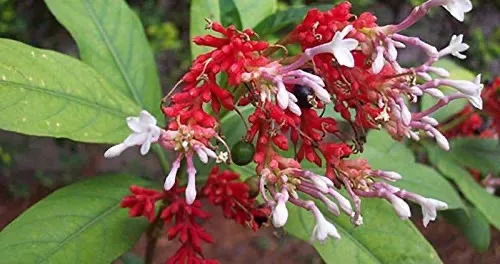
In Bombay, now Mumbai, cardiologist Dr Rustom Jal Vakil was investigating a different possibility. At King Edward Memorial Hospital, he turned his attention to Rauwolfia serpentina, a plant whose roots had been used in Indian traditional medicine for centuries. Its potential was not entirely unknown in India, but its value had yet to gain widespread acceptance in Western medicine.
Vakil’s research would help change that.
The plant doctors had overlooked
The plant, also known as sarpagandha, had a long history in Indian medicine. Its roots had been used for a range of ailments, including snakebites, fever and mental distress. But traditional use alone could not establish whether it was effective against hypertension, or how safely it could be used.
Vakil approached the question as a clinician and researcher. After returning to India in 1938, following medical training in London, he built a practice around heart disease. He began systematically collecting clinical observations from patients treated with Rauwolfia, examining whether their blood pressure fell and whether the treatment was tolerable.
Ten years of evidence
Over the next decade, he gathered evidence from his own patients and reviewed the experiences of other physicians across India. The challenge was not simply to find a remedy that appeared to work, but to establish a consistent pattern that other doctors could assess.
In October 1949, Vakil published his findings in the British Heart Journal. Titled ‘A Clinical Trial of Rauwolfia Serpentina in Essential Hypertension’, the paper reported on 50 patients with essential hypertension, a form of high blood pressure without an identifiable underlying cause.

The results were striking. Vakil reported that systolic blood pressure fell in 85% of the patients, while diastolic pressure fell in 81%. The study did not mean that every patient responded, or that the plant was free of risks. But it offered something the medical community urgently needed: evidence that an accessible Indian remedy could have a measurable effect on a condition that doctors struggled to manage.
Vakil also drew on the experiences of other practitioners. In his paper, he reported that 46 of 50 physicians who responded to his questionnaire considered Rauwolfia the most successful blood-pressure-lowering remedy in their experience.
From Bombay to the world
The paper helped bring Rauwolfia into the international medical conversation. The plant’s active compounds became a subject of further investigation, and researchers began examining what made it effective.
One of the most important discoveries was reserpine, an alkaloid isolated from Rauwolfia in 1952 by Swiss researchers working under Emil Schlittler. The compound helped explain the plant’s effects and made it possible to develop a more standardised medicine than preparations made from the root itself.

Reserpine became an important early drug for hypertension. It also had effects on the nervous system and was used in psychiatric treatment. Together with other medicines emerging at the time, it helped open a new chapter in the treatment of high blood pressure.
Vakil’s work was not the only research that contributed to this shift. Indian physicians had explored Rauwolfia before him, and scientists around the world continued to investigate its active compounds. Yet his systematic study played a decisive role in connecting Indian medical experience with international research.
In 1957, Vakil received the Albert Lasker Award for Clinical Medical Research for his studies on Rauwolfia and hypertension. The award recognised his role in bridging the gap between Indian experience and Western medicine. He later received the Padma Bhushan in 1958 for his contributions to medicine.
Today, Rauwolfia is no longer a first-line treatment for high blood pressure. Reserpine’s side effects, including sedation and depression, and the development of newer medicines have limited its use. Modern hypertension treatment relies on a range of drugs selected according to a patient’s needs.
But the significance of Vakil’s work remains. A plant familiar to Indian medical traditions had been studied with scientific rigour, and evidence from a Bombay hospital helped direct international attention towards it.
His story is a reminder that medical breakthroughs do not always begin in laboratories abroad. Sometimes, they emerge when a doctor takes a familiar remedy seriously enough to investigate it.
Sources
‘A Clinical Trial of Rauwolfia Serpentina in Essential Hypertension’: by Rustom Jal Vakil for British Heart Journal, published in October 1949.
‘Rustom Jal Vakil: His Contributions to Cardiology’: by Sumit Isharwal and Shubham Gupta for Texas Heart Institute Journal, published in 2006.
‘Treatment of Hypertension’: by the Albert and Mary Lasker Foundation, published date not specified.
‘Rauwolfia in the Treatment of Hypertension’: by authors of the review for The Journal of Clinical Hypertension, published in 2015.
‘Rustom Jal Vakil’: by the Royal College of Physicians, published date not specified
Disclaimer : This story is auto aggregated by a computer programme and has not been created or edited by DOWNTHENEWS. Publisher: thebetterindia.com