
As Germany’s rivers fall to some of their lowest levels in living memory, the country’s waterways are revealing extraordinary sights.
In Cologne, a historic low was recorded at the Rhine water level gauge on Tuesday, according to data from the Rhine Waterways and Shipping Authority.
All of Germany’s major rivers, including the Rhine, Elbe and Danube, have dropped to exceptionally low levels after months of dry weather and back-to-back heatwaves, forcing politicians, businesses and communities to adapt.
These images reveal the many faces of the drought: from hidden histories resurfacing to new opportunities to clean up what usually lies beneath the water – as well as the growing impact on transport, wildlife and everyday life.
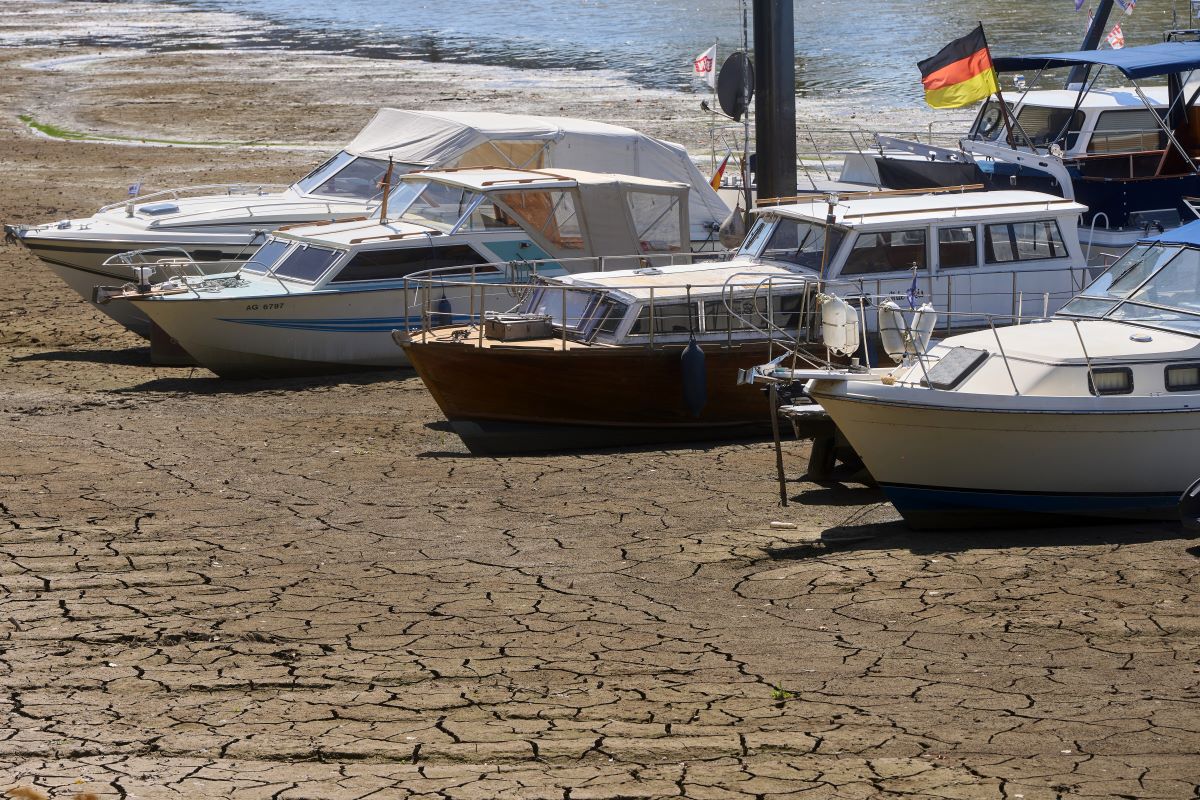
Beached boats at the recreational marina in Koblenz-Ehrenbreitstein. The heat and drought of the past few weeks have caused the water level to drop. Photo: picture alliance/dpa | Thomas Frey
The Hunger Stone’s warning returns
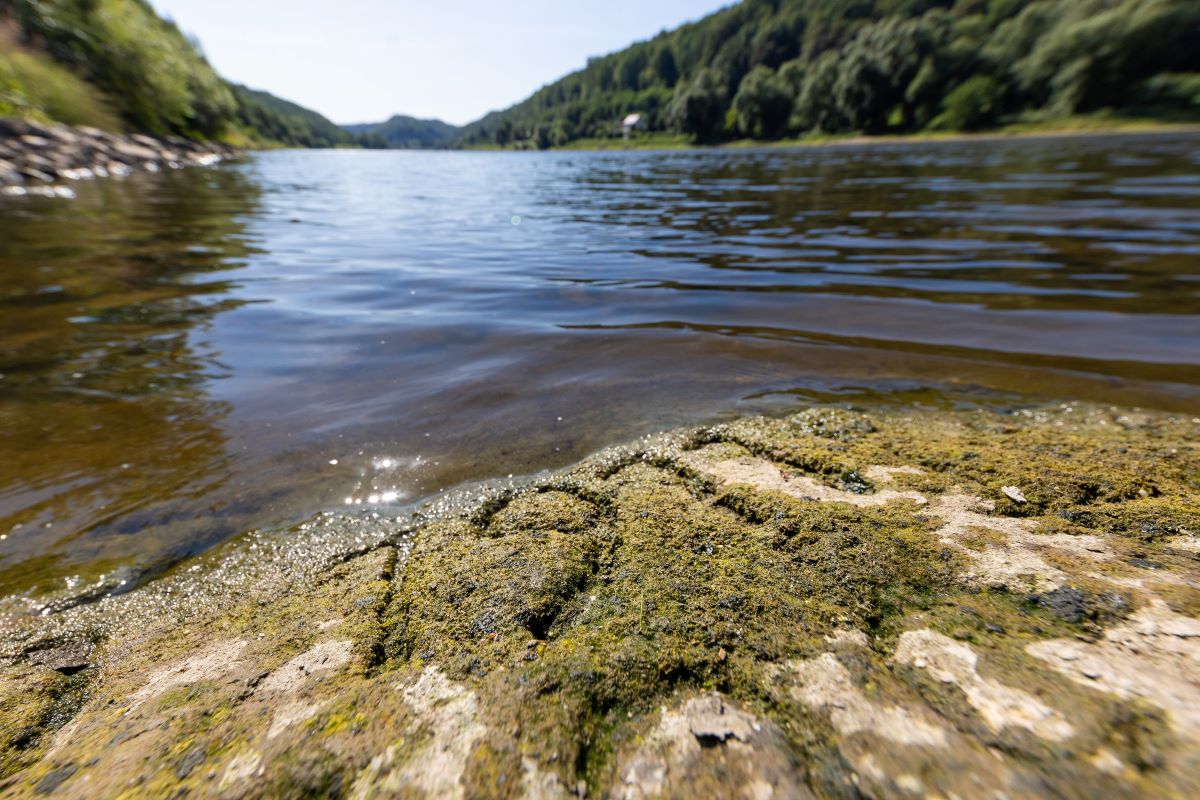
The famous Hunger Stone in Pirna-Oberposta, Saxony, displays centuries of drought markings, including the notorious year 1911. Photo: picture alliance/dpa | Jürgen Lösel
Along the Elbe, one of Germany’s most famous drought markers has reappeared. The Hunger Stone (Hungerstein) in Pirna-Oberposta bears more than 20 inscriptions recording exceptionally low water years dating back to 1707. For generations, such stones served as warnings that hardship often followed when rivers fell this low.
READ ALSO: MAPS – Where water scarcity is disrupting life in Germany
A lost bridge rises from a reservoir
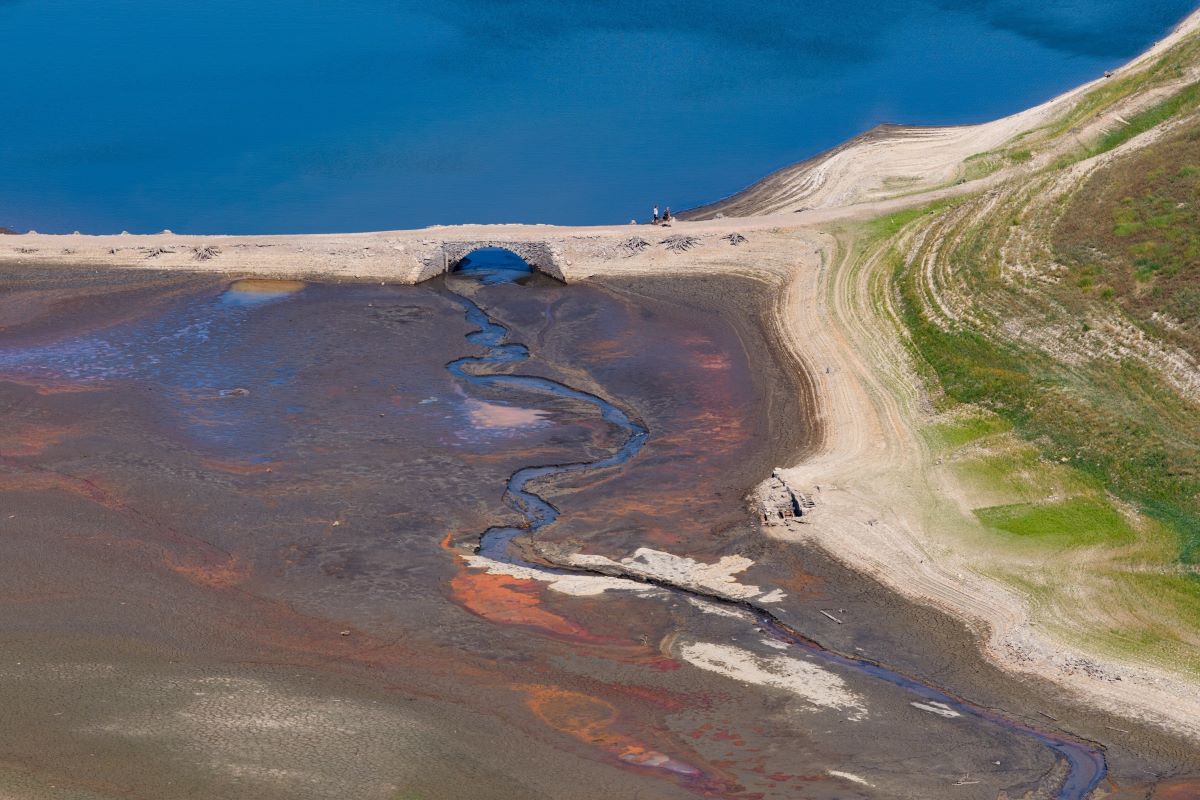
The historic Zinn Bridge has emerged from the shrinking Lehnmühle Reservoir in Saxony after spending decades underwater. Photo:
The Zinn Bridge (Zinnbrücke) once connected a settlement that disappeared beneath the waters of the Lehnmühle Reservoir in Saxony nearly a century ago. Today, drought has revealed both the bridge and fragments of the landscape it once served, offering a rare glimpse into a drowned chapter of local history.
READ ALSO: Parts of Germany’s Rhine becoming unnavigable as water levels drop
WWII munitions return to the surface
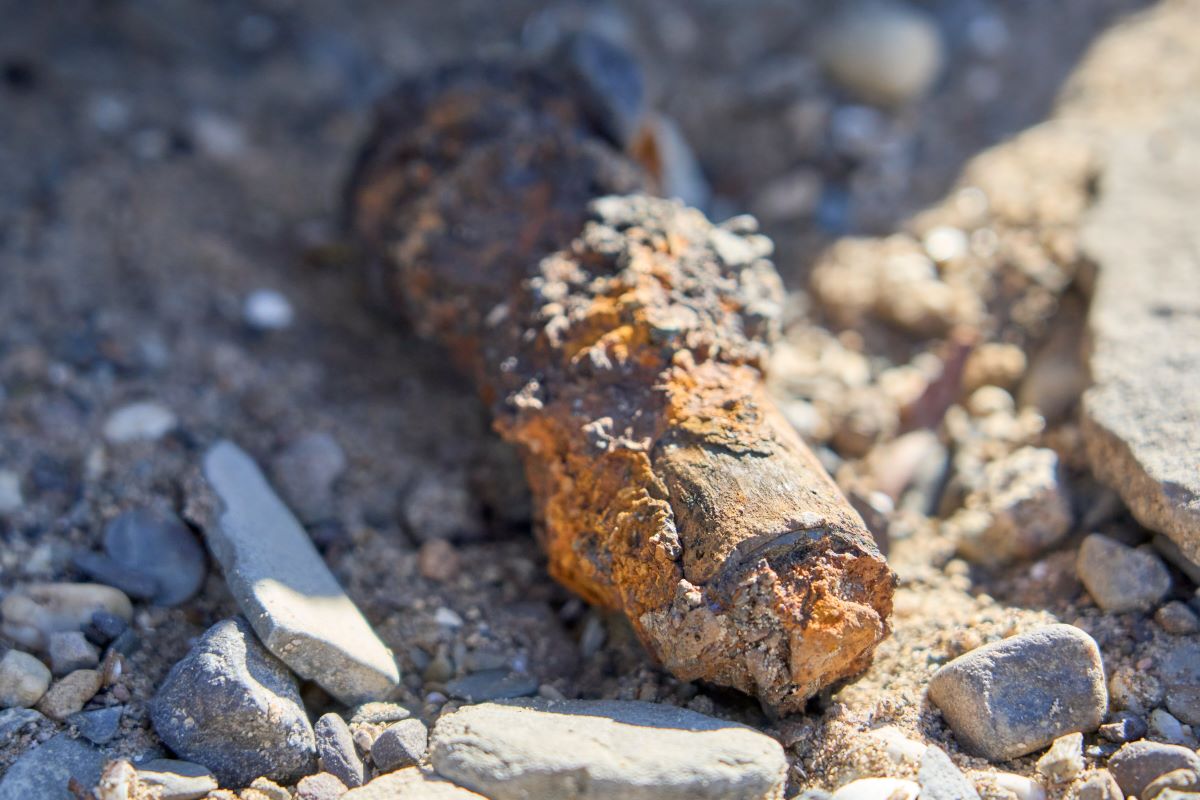
An unexploded rifle grenade discovered on the exposed banks of the Rhine awaits safe disposal by specialist teams. Photo: picture alliance/dpa | Sascha Ditscher
Low water levels do not just uncover historical artefacts. They also expose dangerous remnants of wartime conflict. Explosive ordnance disposal units are responding to increasing numbers of discoveries as decades of river sediment are stripped away.
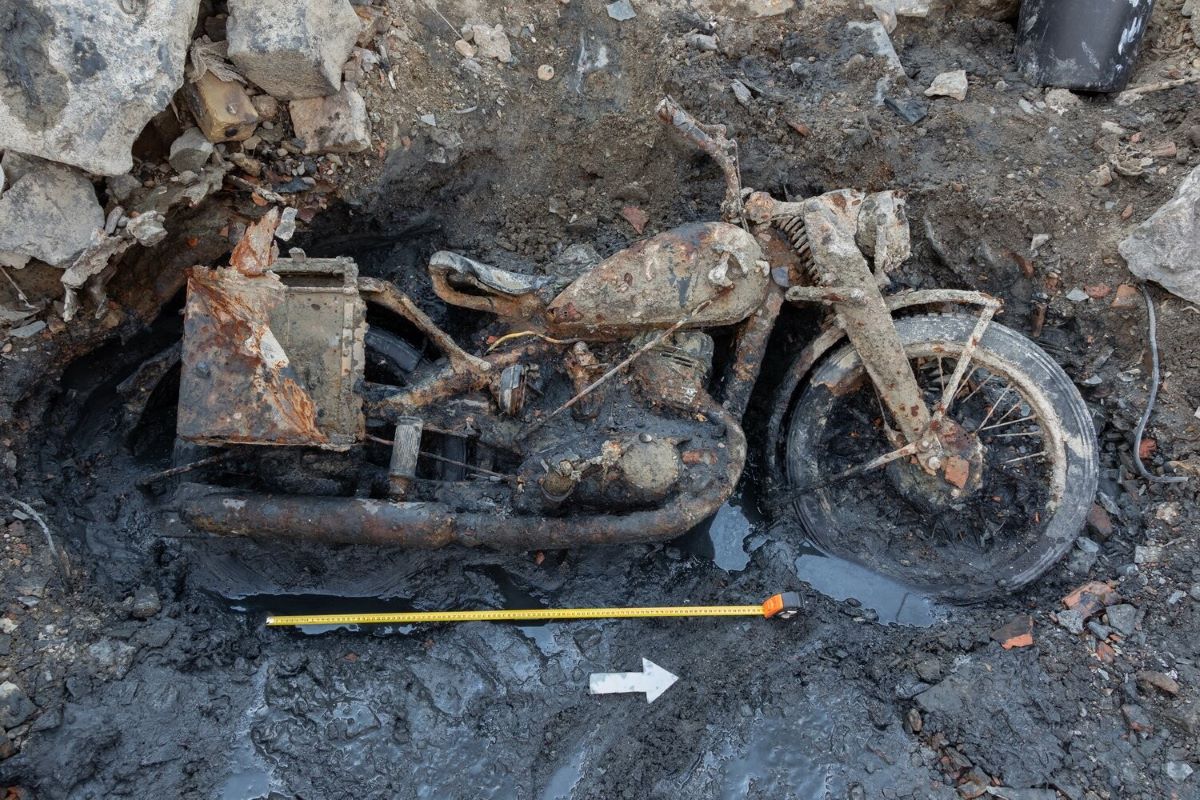
A Wehrmacht motorcycle uncovered from the Danube after falling water levels exposed a wartime site. The remains of two German soldiers and unexploded mines were also recovered. Photo: picture alliance/dpa/Volksbunds Deutsche Kriegsgräberfürsorge | Gabor-Kohlrusz
Volunteers seize a rare clean-up opportunity
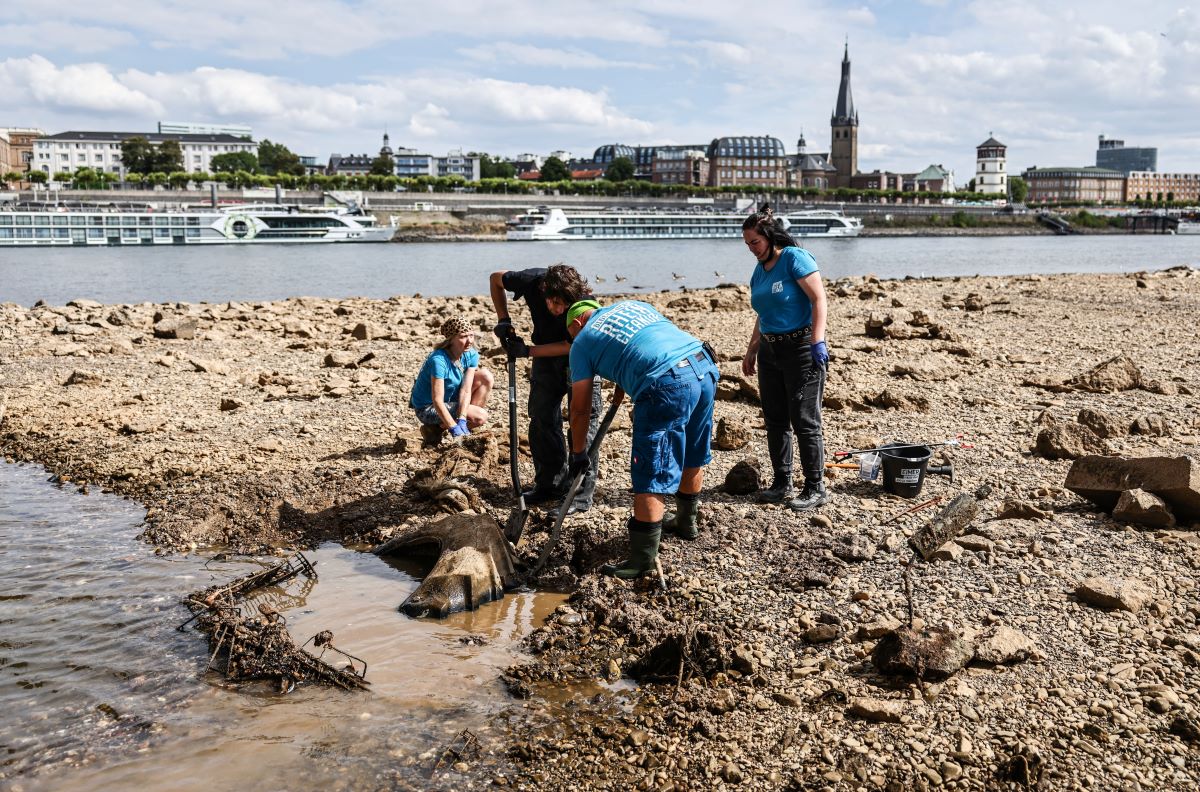
RheinCleanup volunteers work to remove a tyre embedded in the exposed riverbed. Photo: picture alliance/dpa | Oliver Berg
For environmental groups including RheinCleanup, the low water has created a unique chance to reach rubbish that would normally remain submerged. Volunteers are removing tyres, plastics and other debris before rising waters hide them once again.
READ ALSO: How historically low water levels are affecting life in Germany
Trout farms feel the heat
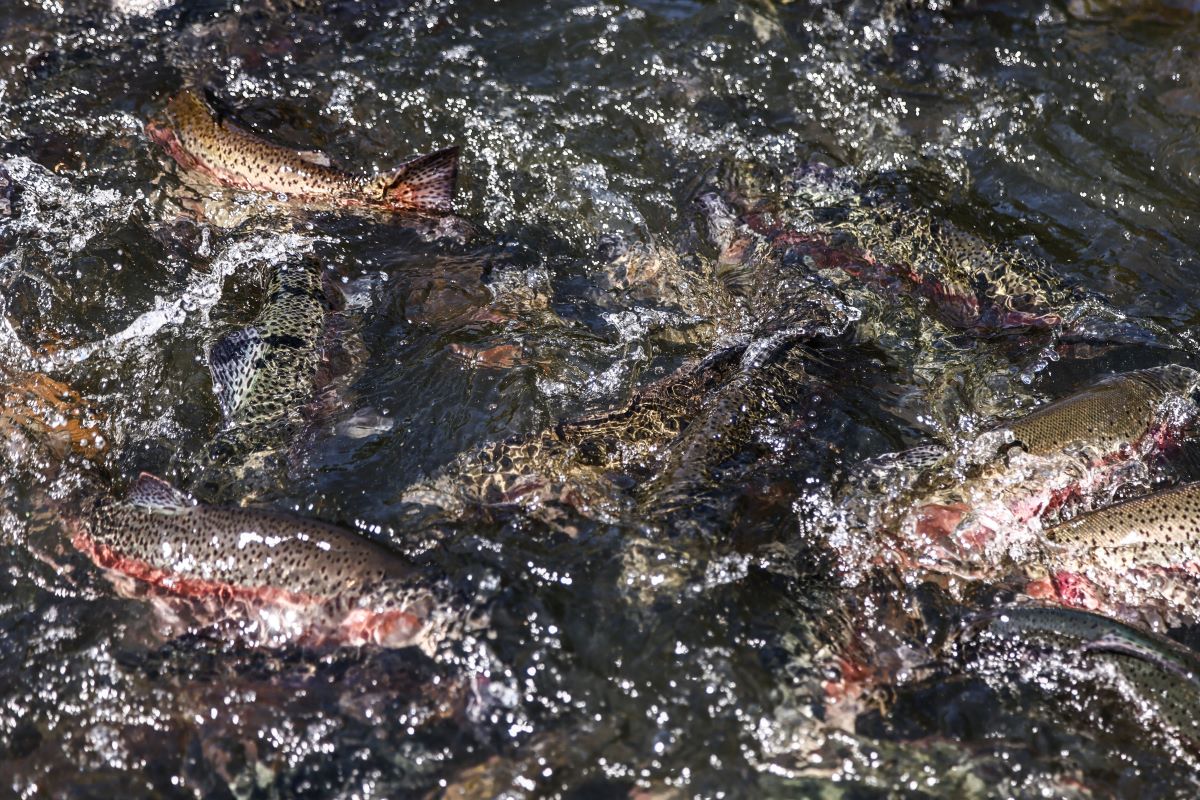
Trout swim in holding tanks at a fish farm near Aachen, where rising water temperatures are creating growing challenges. Photo: picture alliance/dpa | Oliver Berg
The consequences of drought extend far beyond riverbanks. Warmer, slower-moving water contains less oxygen, placing increasing stress on fish populations and freshwater ecosystems that depend on cooler conditions.
READ ALSO: No filling pools or watering lawns – Munich issues decree to save water
A ferry route runs aground
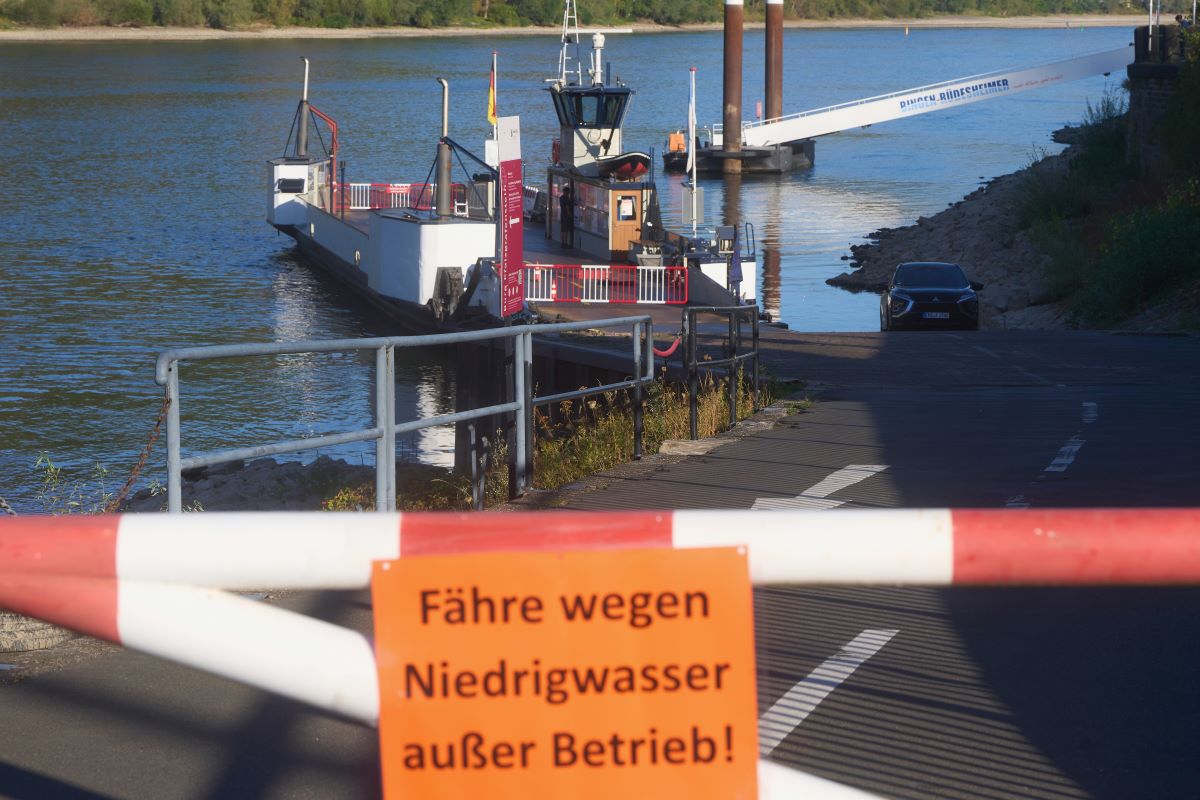
A sign at Kaub announces the suspension of ferry services because water levels have fallen too low. Photo: picture alliance/dpa | Thomas Frey
Few places illustrate the practical impact of low water better than Kaub on the Rhine. The same stretch of river that determines shipping conditions for much of Germany now threatens local transport links, disrupting daily journeys for residents and businesses alike.
Disclaimer : This story is auto aggregated by a computer programme and has not been created or edited by DOWNTHENEWS. Publisher: thelocal.de




