
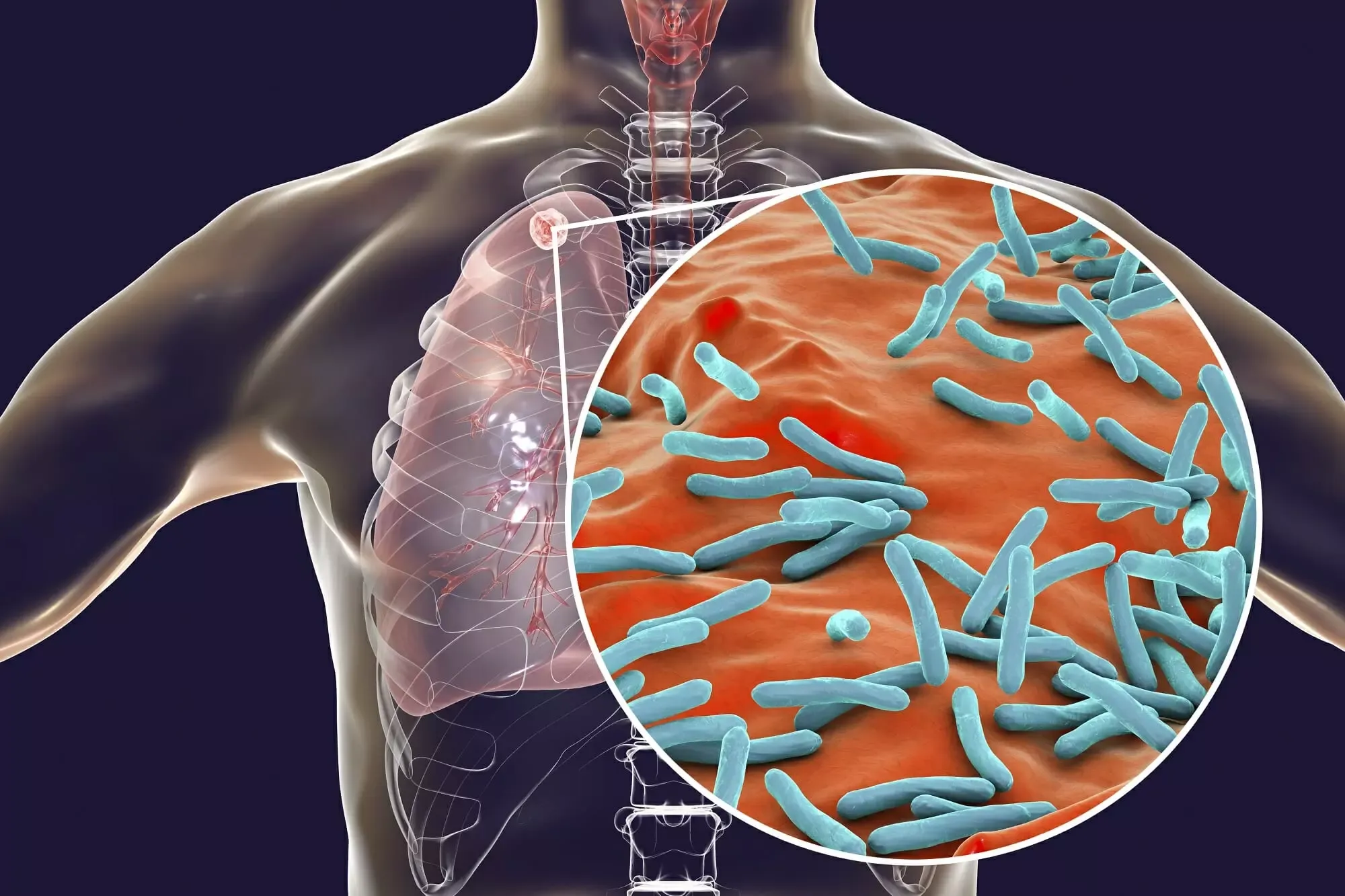
A tuberculosis diagnosis can change a person’s life. Finding the disease early, starting the right treatment and helping a patient complete it can change that course again. India’s latest figures suggest these interventions are making a measurable difference.
The World Health Organization’s (WHO) Global Tuberculosis Report 2026 estimates that India’s TB mortality rate fell from 28 deaths per lakh people in 2015 to 18 in 2025, a reduction of 38%. This is higher than the global decline of 35%.
The figure reflects a public health response combining active screening, faster diagnosis, treatment and support beyond the clinic. The opportunity now is to extend these solutions and make care easier to access and complete.
Finding TB before it finds the patient
TB detection has often depended on people recognising symptoms and reaching a health facility. But symptoms can be overlooked or hidden by stigma. Active case-finding changes the approach: health teams take screening into communities and prioritise people at higher risk.
The TB Mukt Bharat Abhiyaan, launched in November 2024, has expanded community-based screening. The Union Health Ministry says more than 25 crore people had been screened by November 2026, including over 11 crore chest X-rays and three crore molecular tests. The campaign reported detecting nearly 48.64 lakh cases, including almost 15 lakh people without symptoms. These are programme figures, not estimates of everyone with TB in India.
Chest X-rays help identify people who need further testing, including those without obvious symptoms. Molecular tests can confirm TB and, depending on the test, identify drug resistance. WHO also records a rise in rapid testing: these tests were used for 46% of notified cases in 2025, up from 38% in 2024.
Earlier diagnosis can mean earlier treatment, fewer opportunities for transmission and a better chance of preventing severe illness. It can also connect patients to appropriate treatment sooner, particularly when drug resistance is involved.
Treatment needs support beyond medicine
TB treatment usually lasts several months. Staying on medication can be difficult for people managing lost wages, food insecurity, travel costs, or stigma. A patient-centred response must address these barriers alongside the infection.
The Ni-kshay Poshan Yojana provides nutritional support during TB treatment. Individuals and organisations can also register as Ni-kshay Mitras to offer patients additional assistance. These measures recognise that nutrition and practical support can influence a person’s ability to continue treatment and recover.

The government reported a 94% treatment success rate among people treated for drug-susceptible TB. This does not describe outcomes for every person with TB, including those with drug-resistant disease.
For people facing long journeys or uncertain incomes, local follow-up can make the difference between starting and completing treatment. Linking health workers, families and community organisations helps keep patients connected to care.
Counselling and follow-up can help patients navigate treatment. A TB patient support initiative illustrates why guidance matters alongside medicines. Accounts of people who have recovered from drug-resistant TB underline the importance of timely testing, appropriate treatment and sustained support.
Turning progress into wider access
The 38% decline measures a reduction in estimated deaths, not a fall in infections by the same proportion. Incidence counts new and recurrent cases arising in a population over time; mortality estimates deaths caused by the disease.
WHO has not published a new incidence estimate for India in its 2026 report. The estimates are under review while district-level surveillance data collected in 2025 are analysed. Updated figures are expected in early 2027. The previous report estimated a 21% decline in incidence between 2015 and 2024, from 237 to 187 cases per lakh. This remains the latest comparable estimate, not a 2025 figure.
The data gap makes stronger surveillance and reliable local information important. So is taking screening and diagnosis to remote and underserved communities. Rural health screening initiatives offer one way to bring early detection closer to people. TB specialists have also highlighted why treatment must be accompanied by attention to nutrition, living conditions and other health risks.
India’s progress has come from combining different parts of the response: finding people earlier, improving access to rapid tests, supporting patients during treatment and strengthening community participation. The next step is to make these services dependable wherever a person lives, with prompt drug-resistance testing, uninterrupted medicines, nutritional support and follow-up.
A fall in deaths means more people are surviving. Sustaining that progress will depend on ensuring fewer people are missed, and everyone diagnosed with TB can access and complete effective treatment. The 38% decline is a reason to build on what is working.
Sources
‘Global Tuberculosis Report 2026‘: by the World Health Organization, Published on 12 November, 2026
‘India missed its 2025 TB target. How much progress has it made?‘: by Anonna Dutt for The Indian Express, Published on 16 November, 2026
‘India Makes Major Strides Towards TB Elimination: 38% Decline in TB Mortality, 94% Treatment Success Rate‘: by the Ministry of Health and Family Welfare, Government of India, published through Press Information Bureau, Published on 12 November, 2026.
‘1.2 TB Mortality‘: by the World Health Organization, Global Tuberculosis Report 2026, Published on 12 November, 2026.
‘Update on TB Mukt Bharat Abhiyan‘: by the Ministry of Health and Family Welfare, Government of India, published through Press Information Bureau, Published on 12 December, 2025
Disclaimer : This story is auto aggregated by a computer programme and has not been created or edited by DOWNTHENEWS. Publisher: thebetterindia.com









