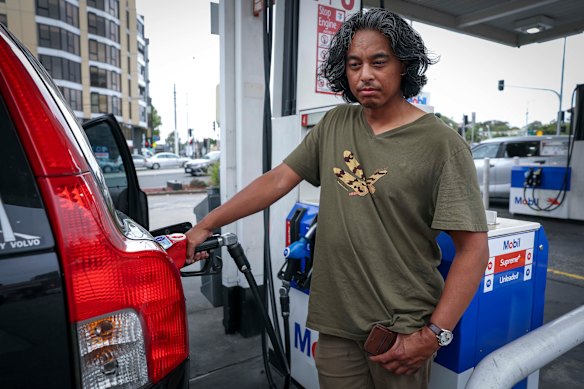

Inflation has lifted to a near-three year high due to a 33 per cent jump in the price of petrol and diesel, but investors believe the chances of an interest rate rise have fallen.
According to the Australian Bureau of Statistics, inflation jumped by 1.1 per cent in March to hit 4.6 per cent after sitting at 3.7 per cent in February.
It was largely due to a 32.8 per cent spike in petrol prices, the single largest monthly increase since the bureau started tracking monthly inflation in 2017.
Of the 1.1 per cent increase in inflation, the jump in fuel prices accounted for almost three-quarters of the change.
The figure at 4.6 per cent, however, was shy of what market economists had expected who had tipped an annual rate of 4.8 per cent.
Importantly, underlying measures of inflation – closely tracked by the Reserve Bank which meets next week – showed a “moderate” increase of 0.3 per cent.
Trimmed underlying inflation was at 3.3 per cent, where it had been last month.
The bureau’s head of prices statistics, Sue-Ellen Luke, said annual inflation was at its highest since September 2023.
She said petrol prices were a major factor in the result.
“Automotive fuel prices rose 32.8 per cent from February to March, which pre-dates the halving of the fuel excise on 1 April,” she said.
“The increase in March is the largest monthly increase since the series began in 2017, reflecting the impact of the conflict in the Middle East on fuel prices.”
While petrol prices were a key driver of inflation in March, over the past year the biggest factor has been housing sector.
Within housing, electricity has been a major contributor since the end of state and federal government power subsidies. The annual electricity inflation rate fell from 37 per cent in February to 25.4 per cent last month.
The bureau said without the various subsidies, electricity costs would have climbed by 3.9 per cent.
Housing construction costs are continuing to climb, with inflation reaching 4.5 per cent after lifting to 3.7 per cent in February.
But rental inflation continues to ease, slipping to annual growth of 3.7 per cent. It had peaked at 7.4 per cent in mid-2024.
The figures had an immediate impact on the Australian dollar which slipped against its US counterpart as investors wound back expectations the Reserve Bank would lift interest rates at its meeting next week.
 Shane Wright is a senior economics correspondent for The Age and The Sydney Morning Herald.Connect via X or email.
From our partners
Disclaimer : This story is auto aggregated by a computer programme and has not been created or edited by DOWNTHENEWS. Publisher: www.smh.com.au