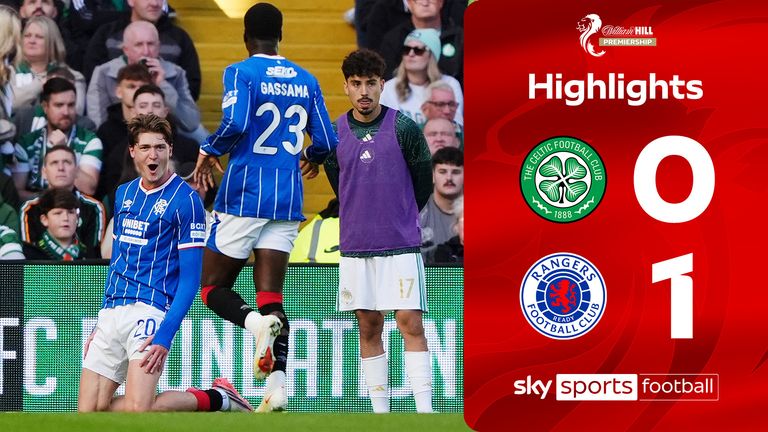
We have passed the 100-day landmark in the Derek McInnes era at Rangers, and it has certainly been a rollercoaster ride.
His first four games were winless, followed by that humiliating European exit to Jablonec.
However, when Rangers return from the international break, they will have their sights set on going top of the Scottish Premiership for the first time this season.
That’s down to a new-look squad and six consecutive wins, including back-to-back Old Firm victories. There is a feel-good factor in the stands at Ibrox once again.
Here, we look at how a key summer transfer window helped pave the way for a remarkable turnaround – one McInnes knows he must keep on track against Kilmarnock on October 10.
How do transfers at Rangers work?
Before we get into the fine detail, it’s important to take a look at the bigger picture.
This was the second consecutive summer that Rangers signed 14 players. However, the two windows couldn’t be more different.
For full context, you need to go back 12 months. It was a new era (yes, another one) at Ibrox. Russell Martin had been appointed head coach, and the club were being led by CEO Patrick Stewart and sporting director Kevin Thelwell. However, that fresh start proved to be a false dawn.
As Rangers went off track, Martin was sacked after 123 days, before Stewart and Thelwell followed soon after. Meanwhile, of the 14 signings sanctioned by the likes of the aforementioned, only four remain. Chairman Andrew Cavenagh admitted mistakes had been made, and after issuing the P45’s, he took a more hands-on role at the club.
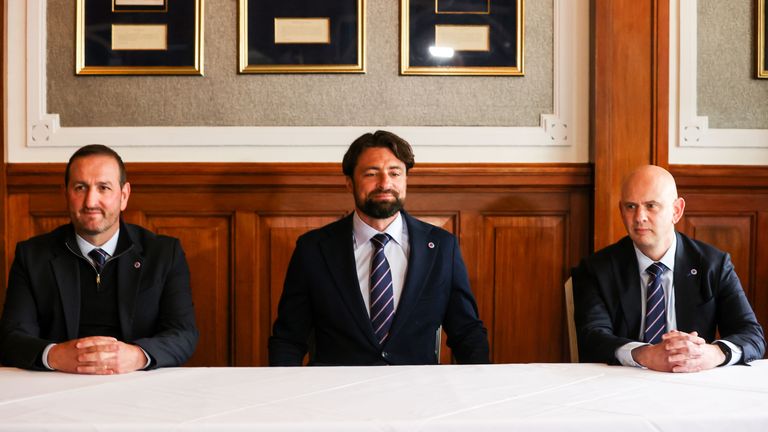
Kevin Thelwell, Russell Martin and Patrick Stewart were all sacked by Rangers last year
Some might think it was Robbie Thelwell, who has the title “head of recruitment”, who was in charge of the signings. In truth, his title does not reflect his responsibility, and he works in the scouting team.
Instead, fast-forward 12 months and working alongside Cavenagh were the likes of CEO Jim Gillespie, who joined in March, now outgoing technical director Dan Purdy, Paraag Marathe and Gretar Steinsson of the 49ers, plus Stig Inge Bjornebye, who was appointed performance director in June following a spell as consultant.

Former Everton head of recruitment Dan Purdy has stepped down from his role as technical director but will continue assisting Rangers this season after helping rebuild the squad
Rangers were not only looking at players’ attributes, but also how they’d fit in the dressing room, their injury history, trading value and so on. Things which in the past were not always prioritised but are now all part of the equation.
The likes of Purdy would identify the options, Cavenagh and Gillespie were among those signing off on the deals, all done with the backing of the 49ers and ultimately the manager.
While there will always be successes and failures, this time Rangers had a united approach.
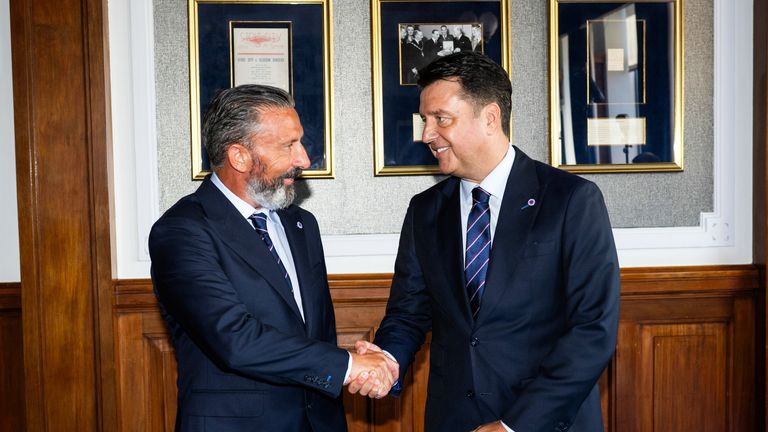
CEO Jim Gillespie joined in March and led the search for manager Derek McInnes who both played a key role in summer transfers
So what was the plan this summer?
Rangers’ initial target was to sign fewer players than they did the previous summer, but opportunities and injuries saw that number rise from around 10 to 14.
The club’s leadership group set the parameters, the model of how Rangers should play both domestically and in Europe was in place, and it was over to the new powers that be to sign the players – just like they did in January when Tuur Rommens, Tochi Chukwuani and Ryan Naderi were permanent additions.

Ryan Naderi and Tochi Chukwuani have impressed after joining Rangers in January
Rangers’ goal this season – under McInnes, who knows the Scottish game inside out – was to taste domestic success once again.
So what was the plan to end Celtic’s Premiership stranglehold? Well, rather than trying to copy their Old Firm rivals’ possession-based style of play, Rangers were focussing on physicality and speed. The view was that to beat Celtic, they couldn’t be like Celtic – they had to work differently.
Furthermore, following the departures of captain James Tavernier, vice-captain Jack Butland and co, they needed leaders in the squad, plus wanted to reduce the overall age of the group – something they had achieved over the previous windows.
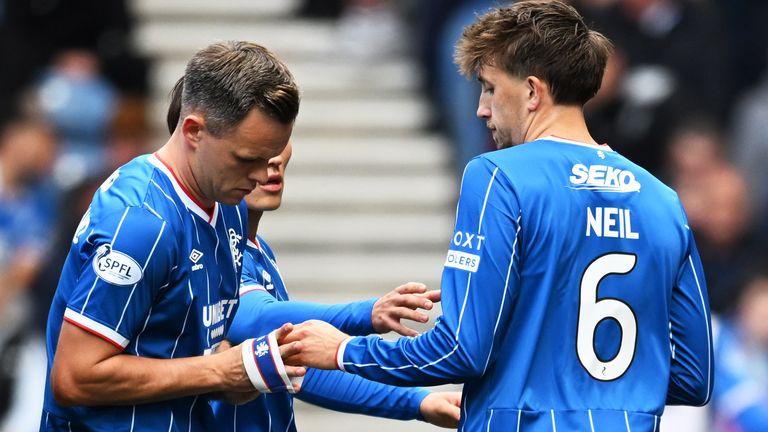
Dan Neil was captain at Sunderland and Lawrence Shankland was Hearts skipper before both joined Rangers in the summer
Finally, while chairman Cavenagh was willing to splash the cash for the right players, many signings would still need to have the potential to grow in value and help the club flourish.
Did they deliver?
It was a complex checklist and not everything has been fixed at Ibrox over a few months. This was always going to take multiple windows. However, there are positive signs.
The average age of the team that beat Celtic in their two games before the international break was less than 24 – compared to their rivals, who were closer to 27.
The starting XI in those games comprised of a new-look spine and six summer signings: goalkeeper Ivor Pandur, defender Olwethu Makhanya, captain Dan Neil in midfield along with James Penrice, Minsu Kim out wide and Kevin Kelsy leading the line.
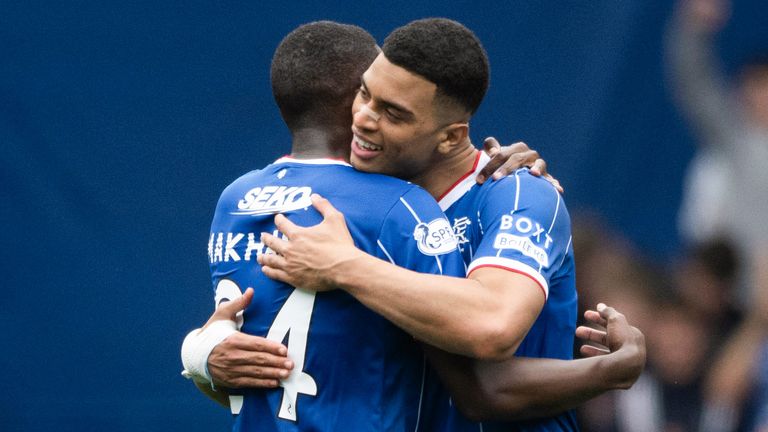
Kevin Kelsy and Olwethu Makhanya, both 22, have impressed since joining Rangers in the summer
At Ibrox in their League Cup quarter-final triumph, Rangers played like a team with an identity and style. They were strong, physical, fast and dominated the battle for second balls. That was reaffirmed at Parkhead in the Premiership a week later, while their rivals changed shape in a search for answers that didn’t arrive.
Both in January and this summer, Rangers have been adding to their squad with a clear plan in place. They now have a group boasting speed, physicality, desire and the types of players who could attract interest from bigger leagues across Europe.
That recognition is coming on the international front too, with 13 of the squad selected by their country for this three-week window. Of those away with their countries, 12 of the 13 are 26 or under too – a clear sign of the change in direction at Ibrox.
There has been significant work to alter Rangers’ recruitment process since last summer, and while the early signs are positive, nothing is won in September.
Rangers still need to catch Celtic in the Premiership and face a tough test in Aberdeen, if they’re to book a spot in the League Cup final, where Hearts or Hibs would await.
However, for the first time in years, after a busy transfer window and consecutive Old Firm victories – they head into Autumn with a platform that will allow them to deliver.
Disclaimer : This story is auto aggregated by a computer programme and has not been created or edited by DOWNTHENEWS. Publisher: skynews.com