As the world marks June 13 as the International Day for Albinism, there is still a lot of misinformation and stigma around the term ‘Albinism’ and people living with the condition. This article sheds light on how albinism is seen as a social model, leading to intersecting violence, rather than looking at it as a medical model.
What is Albinism?
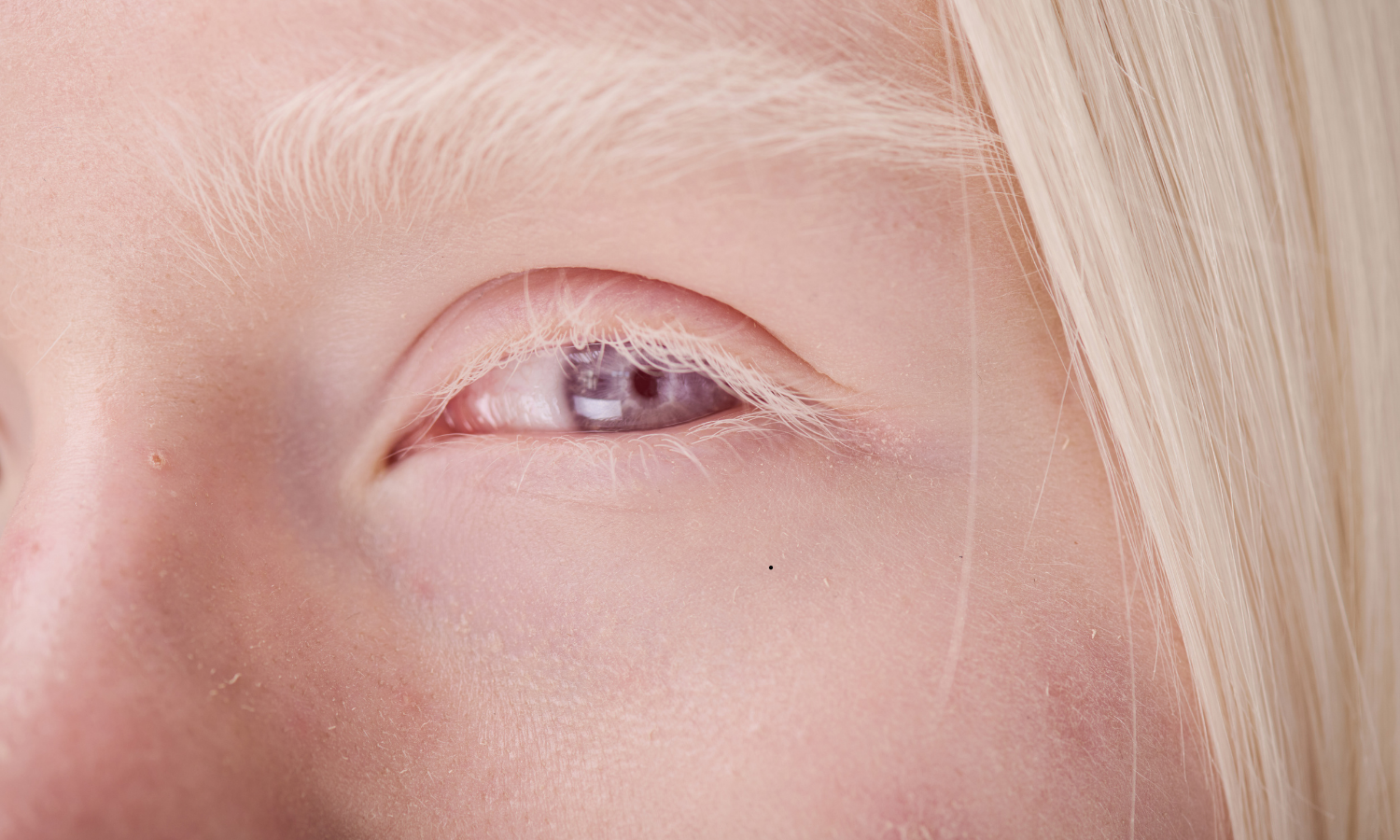
Albinism is a genetic disorder caused by gene mutations that affect the amount of melanin, a pigment responsible for the skin, eye, and hair color. This condition is seen in one in twenty thousand people and is congenital, which could affect people of all races and ethnic groups.
Albino, the word, is derived from Latin, ‘Albus’ meaning white. People living with Albinism are wrongly addressed as Albino. However, healthcare providers and many persons who have this condition prefer to be called Persons with Albinism. As albinism is a skin condition caused by genetic modifications, people can experience vision problems due to the optic nerve development. In several situations, people can likely develop skin cancer.
Therefore, the United Nations recognizes albinism as a disability, as persons living with the condition are prone to visual impairment, and people are also prone to severe discrimination due to the social attitudes of society toward persons with albinism.
In 2013, the UN’s Human Rights Council adopted a resolution advocating against discrimination and attacks faced by Persons with Albinism. The UN has also noted that people with the condition require special recognition in terms of inclusion in education, healthcare, and employment policies. Therefore, the organization has included albinism within the disability rights framework.
Historical background
Albinism was first discovered by Archibald Edward Garrod, a British physician, who believed that the condition was caused by a lack of melanocytes. In the late 1950s, it was later proved that albinism is caused by tyrosine kinase inactivity, not due to a lack of melanocytes.
Who is affected?
Although this condition is seen across all countries and races, the social aspect needs to be looked at, as people with the condition face physical and mental violence due to the stigma on a day-to-day basis. People address them as Albino, which is hurtful, and due to their unusual appearance, insensitive name-calling like snow white, Grandma, blind eyes, whitey, etc., is reported in young people.
Myths, Intersectional violence, and Economic precarity
Albinism is rare and non-contagious, but, according to a UN report, persons with albinism usually face severe discrimination and unequal access to healthcare, jobs, and schools in countries like Sub-Saharan Africa. The report also highlights the intersectional violence in both medical and social contexts. Support groups such as Human Rights Watch and African Albinism Network report that in places like Malawi, there is uneven access to government support programs. Local leaders believe that people already get support from international organizations.
The potential challenges highlight that they find it hard to get jobs and earn a living as employers reject them after attending in-person interviews due to their appearance. It is also reported that children at schools often face bullying and do not receive the support to learn properly.
The Human Rights Watch report also highlights that women and girls with albinism face marginalization due to compounded discrimination at the intersection of gender, albinism, and disability. Women also have to risk their bodies in exchange for help in obtaining employment. There is also a belief system that the bodies or body parts of people with albinism bring wealth. So, they are sold for profit, in some parts of Malawi, referred to as ‘money,’ and in turn they are used for witchcraft—the UN reports more than 600 attacks against children and adults with albinism.
Myths that often go unreported involve misconceptions that their body parts hold some magical powers or that sexual intercourse with a woman with albinism could bring wealth and cure infectious diseases like HIV. Reportedly, these deep-rooted beliefs have led to rape, killings, abductions, and sexual violence, fueling a sense of bodily insecurity and dehumanization.
Despite strict laws for Persons with Albinism, including them in the 2024 Persons with Disabilities Act and a new national disability policy in 2025 to protect them, the enforcement remains weak. According to researchers, they are exposed to harsh working conditions and informal labor, such as working under the sun, without providing sunscreen, as people with albinism are prone to developing skin cancer.
The United Nations, this year, calls for ‘inclusion is Strength’ and highlights the value and benefits of including a broad spectrum of persons with albinism in albinism-related discussions, such as young people, women, children, older persons and LGBTQ+ persons of all races and ethnic backgrounds.
Disclaimer : This story is auto aggregated by a computer programme and has not been created or edited by DOWNTHENEWS. Publisher: deccanchronicle.com