TEHRAN – At the 31st Conference of the Parties to the United Nations Framework Convention on Climate Change (COP31) in Turkey, Iran will present documented reports on the environmental damage caused by war, highlighting its impacts on infrastructure and human health. The country will also seek to advance its environmental priorities, particularly those concerning the impacts of climate change, on the international stage.
COP31, the 31st session of the Conference of the Parties to the United Nations Framework Convention on Climate Change (UNFCCC), is being held in the city of Antalya from November 9 to 20. The event is one of the most significant international gatherings on climate change, bringing together representatives from nearly 200 countries, government officials, experts, scientists, environmental activists, and representatives of international organizations.
Iran is participating in the conference with a delegation of experts and representatives from relevant government bodies, headed by Shina Ansari, the head of the Department of Environment. Iranian experts are focusing on challenges related to drought, financing food systems, war-related environmental degradation, and the presentation of investment-ready adaptation projects.
President Masoud Pezeshkian is also attending the conference for the first time. This marks the first time an Iranian president has participated in this international gathering at such a high level.
Iran will also present its measures to address climate change, including efforts to reduce greenhouse gas emissions, adapt to climate impacts, reduce gas flaring, adopt high-level policy documents, and implement a climate management plan, despite existing limitations and challenges.
Iranian experts are seeking to strengthen water and climate diplomacy and draw on international experience to address the impacts of climate change. This approach is particularly important given the country’s climatic conditions and growing pressure on water resources and the agricultural sector.
COP31 is taking place in Antalya as the intensifying impacts of climate change, the growing frequency of extreme weather events, the water crisis, and the need to finance adaptation programs have once again placed international cooperation at the center of climate negotiations. These issues are of particular importance to Iran, a country located in the world’s arid belt and facing challenges such as drought, water scarcity, and desertification.
Meanwhile, COP31 negotiations are opening against a backdrop of a significant gap between countries’ declared commitments and the practical measures needed to curb global warming. Reducing greenhouse gas emissions, adapting to the impacts of climate change, climate finance, transparency in implementing commitments, and international cooperation mechanisms are among the key issues on the conference agenda.
One of the major issues in this year’s negotiations is securing financial resources for developing countries. Despite their smaller historical contribution to greenhouse gas emissions, many of these countries are more vulnerable to droughts, floods, heatwaves, and other climate-related impacts.
In this context, improving vulnerable countries’ access to financial resources, climate-friendly technologies, and international capacities to implement emissions-reduction and adaptation projects is among the key demands being raised in climate negotiations.
Ansari, the head of the DOE, had also said at a meeting reviewing Iran’s main challenges and negotiating priorities ahead of COP31 that the country’s focus at the climate conference would be on highlighting the environmental consequences of war and calling for international accountability.
Emphasizing that Iran’s main priority at COP31 would be to shed light on the environmental consequences of war and call on the international community to respond, she said the country would present documented reports detailing the impacts of the aggression on the environment, infrastructure, and human health at the international gathering.
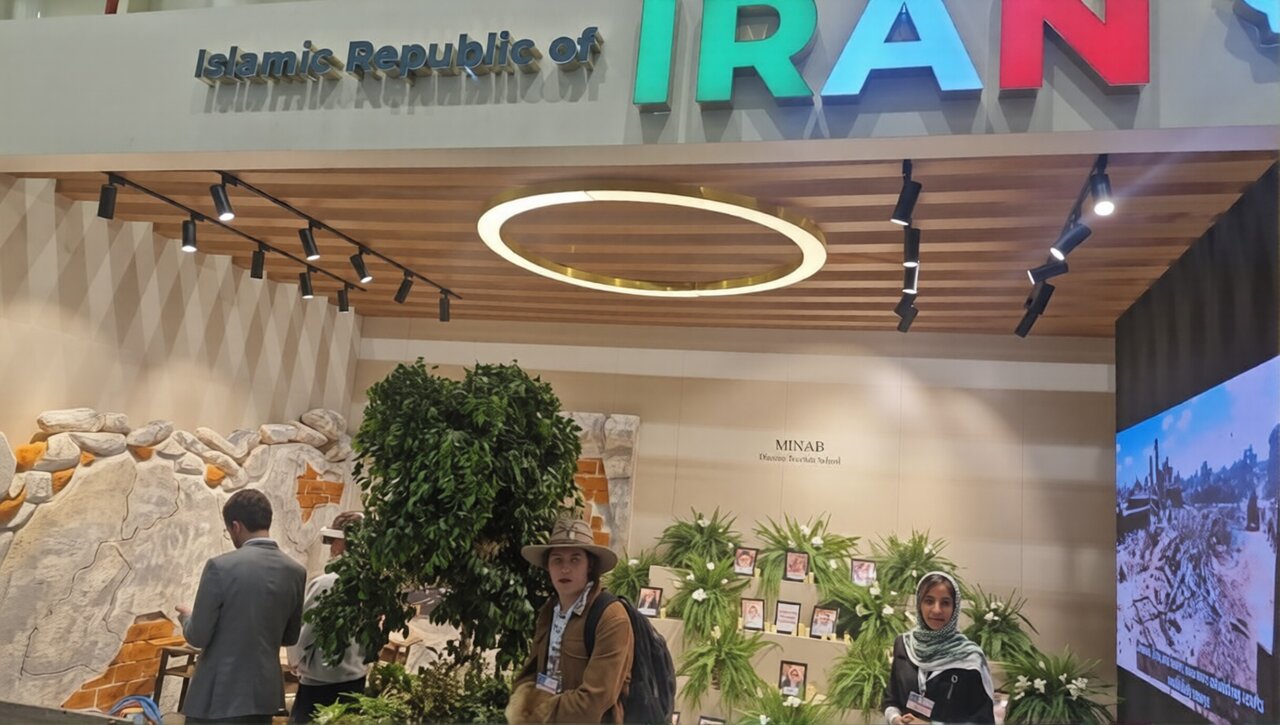
Iran sets up pavilion at COP31 for first time
For the first time, Iran has set up a pavilion at COP31. The announced program for the pavilion focuses on issues including the environmental consequences of war, food security, and agricultural development.
For Iran, participation in climate conferences is not merely a matter of attending international meetings. Rather, it provides an opportunity to highlight national challenges, pursue access to financial resources and technology, and strengthen regional and global cooperation in the fields of the environment and natural resources.
Prolonged droughts, declining renewable water resources, land subsidence, desertification, dust storms, forest fires, and the vulnerability of wetlands are among the issues linked to climate change. Addressing these challenges requires long-term planning, as well as financial and technical resources.
Moreover, achieving climate goals requires translating international commitments into practical and measurable action. Presenting investment-ready adaptation projects, drawing on the experiences of other countries, and pursuing climate finance mechanisms can all form part of Iran’s efforts to reduce its vulnerability to climate change.
Disclaimer : This story is auto aggregated by a computer programme and has not been created or edited by DOWNTHENEWS. Publisher: tehrantimes.com