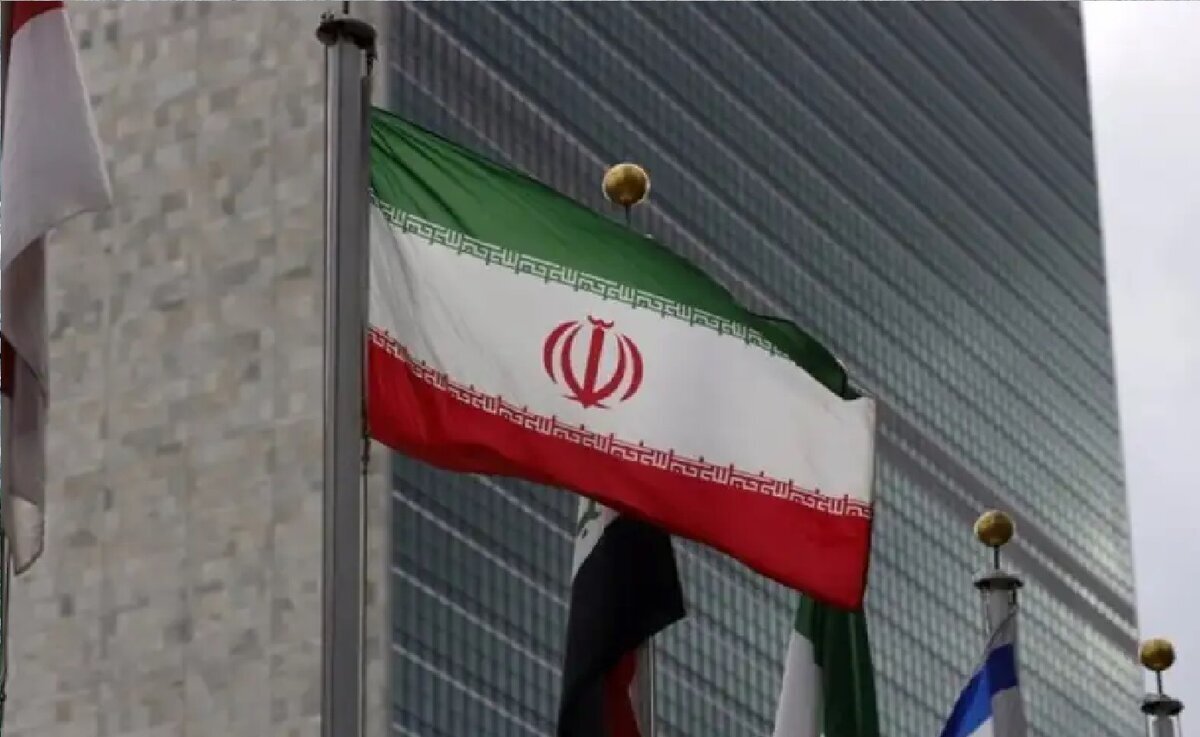
TEHRAN — Iran has called on the International Atomic Energy Agency (IAEA) to end the selective and politically motivated implementation of its founding statute, urging the organization to uphold its legal obligations impartially and ensure equal treatment of all member states.
In a statement issued on Friday, October 23, to mark the 70th anniversary of the adoption of the IAEA Statute, Iran’s Permanent Mission to the United Nations and other international organizations in Vienna stressed that the agency’s founding document must be implemented fully and consistently, without discrimination or political interference.
The mission said the anniversary should serve not merely as an occasion for commemoration but as an opportunity to assess the agency’s adherence to its founding principles, restore institutional accountability and renew its commitment to impartiality.
“The Statute is the Agency’s constitution,” the statement said, emphasizing that it must not be invoked selectively or interpreted according to the interests of powerful states.
The IAEA’s full mandate
Iran stressed that the agency’s responsibilities extend beyond nuclear safeguards and verification to include promoting the peaceful use of nuclear energy and advancing international scientific and technical cooperation.
Citing Articles II and III of the Statute, the mission said the IAEA is mandated to expand the contribution of atomic energy to global peace, health and prosperity, support peaceful nuclear research and applications, and ensure that its resources benefit all member states, with particular attention to the needs of developing countries.
The statement warned that an approach focused disproportionately on inspections, at the expense of technical cooperation and peaceful nuclear development, would undermine the agency’s ability to fulfil its mandate in a balanced manner.
Sovereign equality and NPT
The Iranian mission said the principles of sovereign equality and non-discrimination must guide the agency’s dealings with all members, regardless of geopolitical considerations.
It cited Article IV.C, which establishes the sovereign equality of the agency’s members, and Article III.C, which prohibits making assistance conditional on political, economic or military considerations incompatible with the Statute.
As an example of a discriminatory approach, Iran pointed to the scrutiny of its nuclear activities alongside the absence of comprehensive IAEA safeguards covering all nuclear activities of Israel, which is not a party to the Treaty on the Non-Proliferation of Nuclear Weapons (NPT).
The mission said this disparity raised questions about the consistency and credibility of international nuclear non-proliferation efforts, calling for a comprehensive and non-discriminatory verification framework across the Middle East.
It added that regional security could not be built on selective scrutiny and unequal expectations, stressing that all relevant legal obligations must be applied fairly.
Iran also called for the agency to protect the right of all member states to benefit from peaceful nuclear technology and scientific cooperation.
Independence and institutional credibility
Iran further emphasized the importance of safeguarding the IAEA’s independence, professional integrity and confidentiality.
Referring to Article VII.F of the Statute, the mission said the agency’s director general and staff must remain free from external instructions, while sensitive information obtained in the course of their duties must be protected.
It maintained that the agency’s reports, assessments and decisions should be based on verifiable evidence, sound technical analysis and applicable legal obligations rather than political pressure or selective interpretations. Any misuse of confidential information, it added, could undermine trust and compromise nuclear safety and security.
Reaffirming the importance of credible safeguards and professional verification, Iran said it remained committed to engagement within the framework of its applicable legal obligations and its sovereign rights and interests.
However, the mission stressed that meaningful cooperation required good faith, mutual respect, professional integrity and the consistent implementation of legal commitments.
It called on the IAEA, particularly its Board of Governors and director general, to end double standards, resist politicization, protect confidential information, condemn attacks against peaceful nuclear facilities and restore the full implementation of its statutory mandate.
The mission also urged the agency to pursue an effective, balanced and non-discriminatory technical cooperation policy, enabling all member states, especially developing countries, to benefit from nuclear science and technology.
Concluding its statement, Iran said the IAEA’s credibility depended not only on its authority to conduct inspections but also on its impartiality, independence, respect for international law and commitment to the legitimate rights of all members.
Disclaimer : This story is auto aggregated by a computer programme and has not been created or edited by DOWNTHENEWS. Publisher: tehrantimes.com