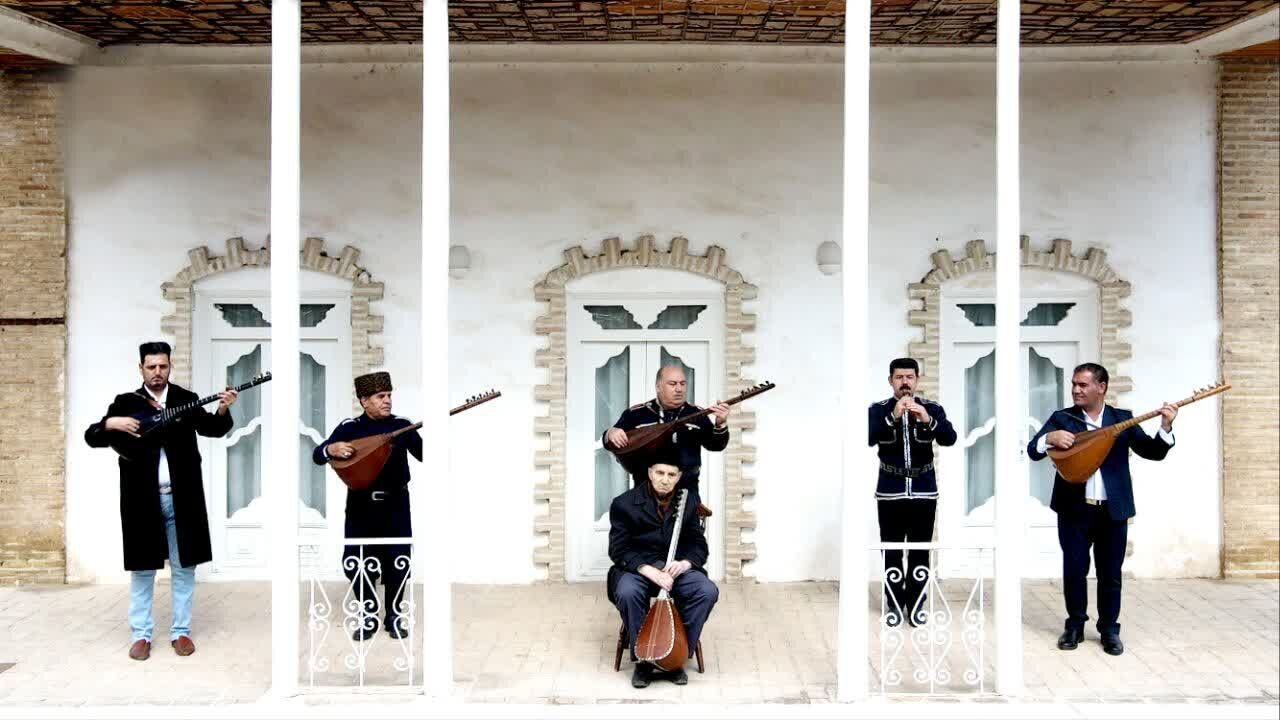
ZANJAN – The centuries-old tradition of Ashiq music in northwestern Iran remains a vital expression of regional identity and oral history, but a number of performers and enthusiasts say stronger institutional support is needed to preserve the art form for future generations.
In Iran’s Zanjan province, Ashiq music is regarded as more than a musical genre. Combining poetry, storytelling, singing and instrumental performance, it has long served as a vehicle for transmitting ethical teachings, religious concepts, historical narratives and folklore across Iran’s Azari-speaking communities.
Performed primarily with the “qopuz,” a traditional string instrument, Ashiq music continues to resonate in weddings, literary gatherings and cultural ceremonies in the province, where veteran performers say the tradition has been passed down orally for centuries.
Cultural experts describe the art as one of the most authentic forms of regional Iranian music. The tradition is characterized by improvisation, with Ashiq performers simultaneously acting as poets, singers and musicians.
The lyrics, usually composed in Azari (Turkish) language, cover a broad range of themes, including mysticism, patriotism, romance and moral guidance. Specialists say the combination of music, poetry and narrative has helped make Ashiq art an important tool for preserving cultural values among younger generations.
The art of Ashiqs, practiced in parts of northwestern Iran and the broader Caucasus region, combines poetry, storytelling, dance and vocal and instrumental music into a traditional performance form regarded as one of the symbols of Azarbaijani cultural identity. Sometimes, Ashiqs are generally divided into two groups: performer-storytellers and poet-composers.
Despite its cultural significance, artists and researchers warn that Ashiq music faces mounting challenges in the digital era, including declining public attention, financial pressures and insufficient institutional support.
Artists in Zanjan have called for specialized festivals, expanded documentation projects and the creation of comprehensive archives preserving the distinct styles of local Ashiq performers.
Cultural advocates say the formal preservation and documentation of this intangible heritage could help safeguard the tradition against gradual decline.
“Ashiq music should be transmitted to future generations as an intangible heritage so it is not forgotten,” said veteran Ashiq performer Sattar Khodaei in an interview with IRNA.
Khodaei, one of Zanjan’s best-known Ashiq musicians, said he was born in a village and moved to Zanjan city at the age of 13. His father was also an Ashiq musician, introducing him to the qopuz from an early age.
“Because of my interest in this field, I continued on this path and learned the stories from my father and other masters,” he said.
Khodaei said his professional involvement with Ashiq music began in the 1980s, and over the years he learned 24 traditional narratives, which he later compiled into book form.
“This authentic music has been passed down from renowned masters over many years and it must also be transferred to future generations,” he said.
He added that local Ashiq artists had participated in various festivals organized with the cooperation of provincial cultural and heritage authorities, but said more support from the Ministry of Culture and Islamic Guidance was needed to address artists’ concerns.
According to Khodaei, provincial officials have established a working group to examine the challenges faced by Ashiq musicians.
“Artists have continued their work throughout different periods without expectations,” he said. “We hope the music of the Ashiqs remains alive and artists can continue their work without worries.”
Another performer, Mehdi Najafi, from the Sohrein village in Zanjan’s Qareh Poshtlou district, said he began learning Ashiq music in the mid-1990s.
Najafi said he had recently been honored during a cultural heritage event recognizing “living human treasures,” organized by provincial cultural authorities.
“We ask lawmakers and officials to facilitate conditions for music artists and pay attention to the problems facing this community,” he said.
Najafi also referred to social challenges faced by musicians, saying in some cases their professional background created difficulties for their children during recruitment and employment processes.
“That is very upsetting,” he said.
Veteran musician Zolfaghar Isabeyglu, who has worked in Ashiq music for more than four decades, said he began learning the art alongside his father during childhood and started playing the instrument at the age of eight.
He said he continues to perform at traditional ceremonies such as weddings and now trains several students interested in learning the art form.
Isabeyglu welcomed recent initiatives recognizing Ashiq artists and praised government efforts to provide insurance coverage and retirement support for performers.
“I thank the government for paying attention to the insurance of this group and providing conditions for their work and retirement,” he said.
However, he emphasized that preserving the tradition remained the central concern of veteran musicians.
“We want this intangible art to survive and be transferred to future generations because our ancestors also taught and passed this art on to us,” he said.
Provincial heritage officials say they plan to continue organizing programs highlighting practitioners of intangible cultural heritage.
Mohammadreza Mohammadpour, deputy head of cultural heritage in Zanjan province, said local authorities recently organized ceremonies honoring registered bearers of intangible heritage during Iran’s Cultural Heritage Week, observed in coordination with the .
Mohammadpour said the province intended to continue introducing heritage artists and practitioners to wider audiences, although he acknowledged that cultural institutions alone could not resolve all of the artists’ economic and professional challenges.
“Even if there is not much we can do, holding such programs and listening to their concerns can produce positive results,” he said.
AM
Disclaimer : This story is auto aggregated by a computer programme and has not been created or edited by DOWNTHENEWS. Publisher: tehrantimes.com