
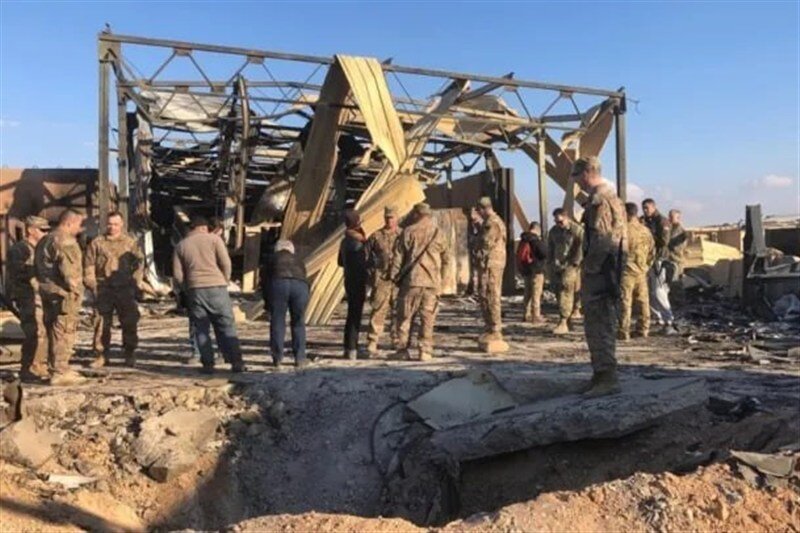
TEHRAN- Iran’s retaliatory missile and drone strikes have damaged at least 274 structures at 24 US-linked military installations across the Middle East, with estimated repair costs reaching as high as $15 billion, according to a report based on satellite imagery and US officials.
The Wall Street Journal analysis documents extensive damage to American military facilities, including buildings, radar systems, missile defenses and communications infrastructure. The attacks have also forced the evacuation and relocation of US personnel, exposing vulnerabilities in Washington’s regional military network.
The Pentagon has estimated the damage to American military facilities at a minimum of $5 billion, while a separate assessment has placed the figure as high as $15 billion. The Center for Strategic and International Studies has estimated that rebuilding damaged buildings alone would cost more than $4 billion, excluding the replacement of military equipment and internal systems.
The scale of the destruction underscores the impact of Iran’s sustained retaliatory campaign, launched after the US-Israeli aggression against Iran began on February 28.
During the first two weeks of the war, Iranian strikes damaged at least 119 buildings at 13 US military installations, mostly in Kuwait, according to satellite imagery reviewed by the Journal.
Naval Support Activity Bahrain, which serves as the headquarters of the US Navy’s Fifth Fleet, was among the most heavily damaged facilities. The attacks forced the evacuation of most personnel stationed there.
Iranian strikes also damaged more than 15 components of critical infrastructure protecting American military installations, including radar, missile-defense, and communications systems.
The attacks inflicted casualties on US forces as well. More than 20 American service members were killed in incidents related to the war, while more than 400 were wounded before the US military suspended conflict-specific casualty reporting following a temporary ceasefire.
Targeting of troop accommodation
After the ceasefire collapsed on July 7, Iran’s targeting strategy increasingly focused on facilities housing American troops.
On July 17, an Iranian strike on Muwaffaq Salti Air Base in Jordan killed three US service members and damaged at least 19 buildings used to accommodate military personnel.
Satellite imagery also revealed damage to smaller buildings at several other installations, suggesting a growing focus on troop accommodation and other facilities associated with the presence of American forces.
The sustained attacks have compelled Washington to relocate additional personnel, including through large-scale evacuations from Camp Buehring and Camp Arifjan in Kuwait.
US officials have also considered relocating military infrastructure farther from Iran’s reach and reducing the American military presence at installations in Kuwait and Saudi Arabia.
Pentagon faces scrutiny over damage estimates
The extent of the destruction has prompted criticism of the Pentagon’s limited disclosure of damage to US military facilities.
Lawmakers have demanded public estimates of the financial costs, as the scale of the damage raises questions about the vulnerability of American military infrastructure across the region.
Meanwhile, Iran has continued restoring damaged military infrastructure and recovering buried missile stockpiles, developments that have heightened concerns in Washington about Tehran’s ability to sustain its strike capabilities.
The reported damage across 24 installations highlights the challenges facing US forces in maintaining their regional military network amid Iran’s continued missile and drone operations.
Disclaimer : This story is auto aggregated by a computer programme and has not been created or edited by DOWNTHENEWS. Publisher: tehrantimes.com




