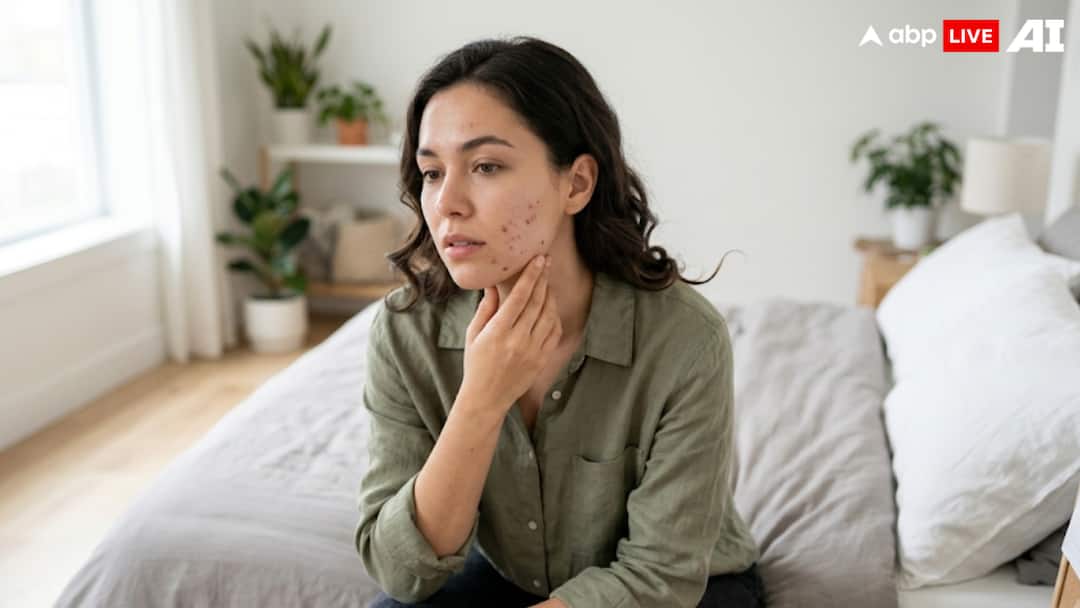
- PMOS links irregular periods, acne, hair changes, weight issues.
- These signs do not confirm PMOS; many factors cause them.
- Medical evaluation, blood tests, ultrasound help diagnose PMOS.
- Persistent symptoms warrant consulting a gynaecologist for proper assessment.
Periods can occasionally become irregular, but persistent changes may need attention, particularly when they appear alongside acne, oily skin or increased hair loss. These symptoms can be associated with polycystic ovary syndrome (PCOS), which is now officially known as polyendocrine metabolic ovarian syndrome (PMOS), a condition linked to changes in the body’s hormones.
However, experiencing one or more of these symptoms does not automatically mean a person has PMOS. Several other conditions and lifestyle factors can also cause similar problems. Doctors may recommend hormone-related blood tests, an ultrasound or other investigations depending on the symptoms and medical history.
Here are five signs that can sometimes be associated with PMOS.
ALSO READ: Health Ministry Tightens Rules On Unapproved Stem Cell Treatments
1. Periods May Become Irregular
One of the signs associated with PMOS is a change in the usual menstrual cycle. Periods may occur further apart or may not arrive for an extended period.
This can happen because ovulation may not occur regularly with PMOS. However, irregular periods are not exclusive to the condition. Stress, rapid changes in weight, excessive exercise, difficulty conceiving and thyroid-related problems can also affect menstrual patterns.
If periods remain irregular over time, seeking medical advice can help identify the underlying reason instead of assuming that PMOS is responsible.
2. Acne And Oily Skin May Appear
Changes in hormones associated with PMOS can sometimes contribute to oily skin and acne. For some women, these skin changes may appear alongside alterations in their menstrual cycle.
However, acne on its own does not confirm PMOS. Skin problems can have several other causes, so it is important not to self-diagnose the condition based only on breakouts or increased oiliness.
When acne continues alongside other symptoms, discussing the changes with a doctor can help determine whether further evaluation is needed.
3. Hair On The Scalp May Become Thinner
Hair changes can also occur in women with PMOS. Some may notice that the hair on their scalp becomes thinner or that they are losing more hair than usual.
At the same time, hair loss can happen for many different reasons. This means that increased shedding should not automatically be treated as evidence of PMOS.
When scalp hair thinning occurs together with persistent menstrual changes or other symptoms, medical evaluation may help establish what is causing the problem.
4. Increased Facial Or Body Hair Can Be A Sign
PMOS may also be associated with increased hair growth on the face or body. This can occur alongside other hormonal changes linked to the condition.
But increased hair growth does not necessarily mean a woman has PMOS. Like acne and hair loss, it can have other causes.
Looking at the complete pattern of symptoms is therefore important. Doctors may consider menstrual history, physical symptoms and, when required, test results before reaching a diagnosis.
5. Weight Changes May Occur
Some women with PMOS may experience weight gain, particularly around the abdomen. Changes in the way the body responds to insulin can also be associated with PMOS.
However, weight gain is not present in every woman with PMOS. Symptoms can vary considerably from one person to another.
If changes in weight occur alongside persistent irregular periods, acne or hair-related problems, speaking to a doctor can help determine whether further assessment is appropriate.
ALSO READ: Air Pollution May Raise Suicide Risk: What The New Study Says About PM2.5 And NO2
How Is PMOS Diagnosed?
PMOS is assessed using a combination of symptoms and medical history rather than one symptom alone. Depending on the situation, doctors may recommend hormone-related blood tests and an ultrasound.
Doctors generally consider signs such as irregular periods, indications of increased androgen hormones and polycystic changes in the ovaries. The diagnosis is made after considering the relevant criteria and ruling out other possible causes.
If irregular periods continue or acne, hair loss or other symptoms are becoming more noticeable, consulting a gynaecologist can help determine the appropriate next steps.
[Disclaimer: The information provided in the article is intended for general informational purposes only. It is not a substitute for professional medical advice, diagnosis, or treatment. Always seek the advice of your physician or other qualified healthcare provider with any questions you may have regarding a medical condition.]
Check out below Health Tools-
Calculate Your Body Mass Index ( BMI )
Calculate The Age Through Age Calculator
Disclaimer : This story is auto aggregated by a computer programme and has not been created or edited by DOWNTHENEWS. Publisher: abplive.com