
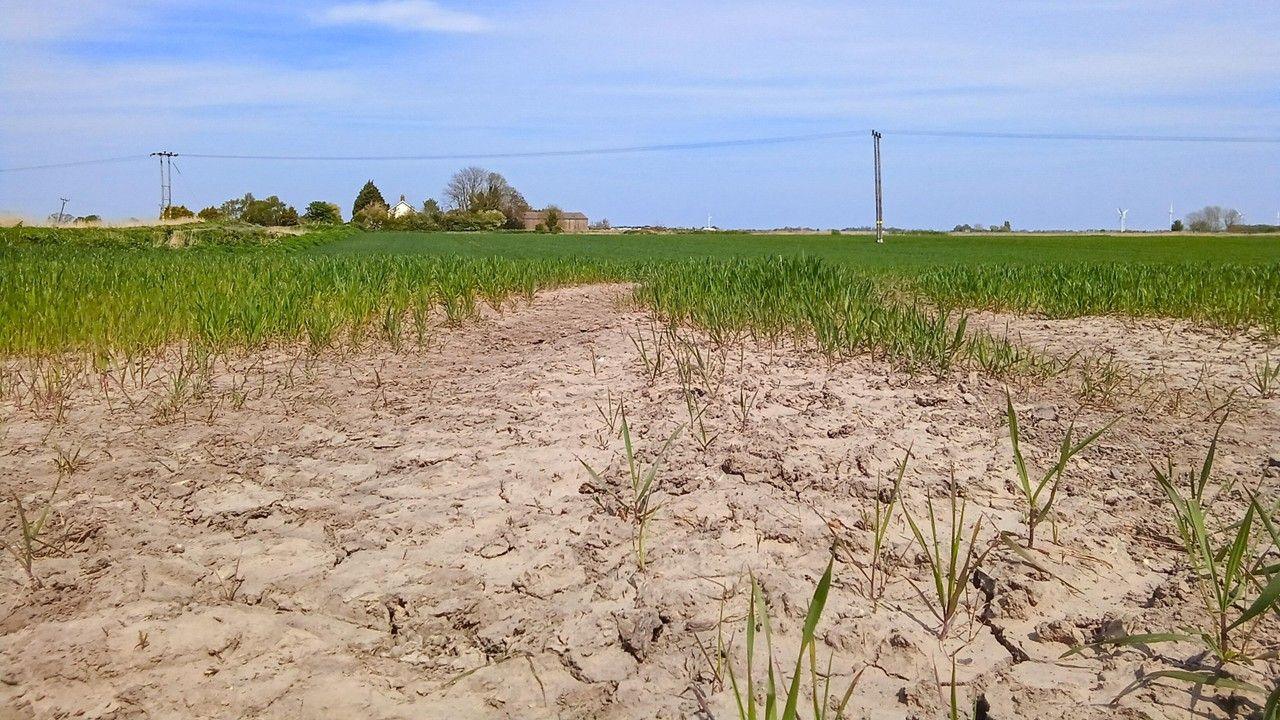
Some parts of the UK have had one of the driest Aprils on record, with less than 1mm of rainfall.
And while we’re only in spring, the possibility of a summer drought for some might be increasing.
It is by no means a nationwide picture with Scotland and Northern Ireland seeing most of the rain with above average figures.
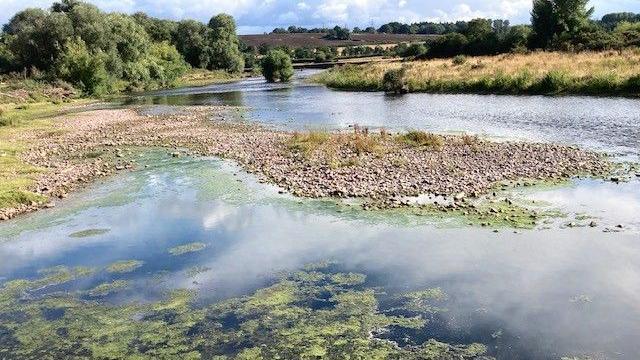
Winter rainfall helped replenish water supplies after 2025’s dry summer led to many locations enduring a drought, but water stocks can fluctuate quickly with some river levels already starting to fall, raising concerns about what might happen in the months ahead.
‘Water scarcity is already a real issue’
 BBC/Alex Milner
Overall the UK has received 23% less rain than average according to the official Met Office figures.
England has received just over a third of its average April rainfall. Parts of East Anglia and the South East, even less than that.
Provisional data for Shoeburyness in Essex for example shows that it has been the driest April on record, receiving only 0.6mm of rain recorded in the month – just 2% of the monthly average.
With less than 5% of average rainfall widely across Cambridgeshire and Bedfordshire, both places have experienced one of their driest Aprils on record.
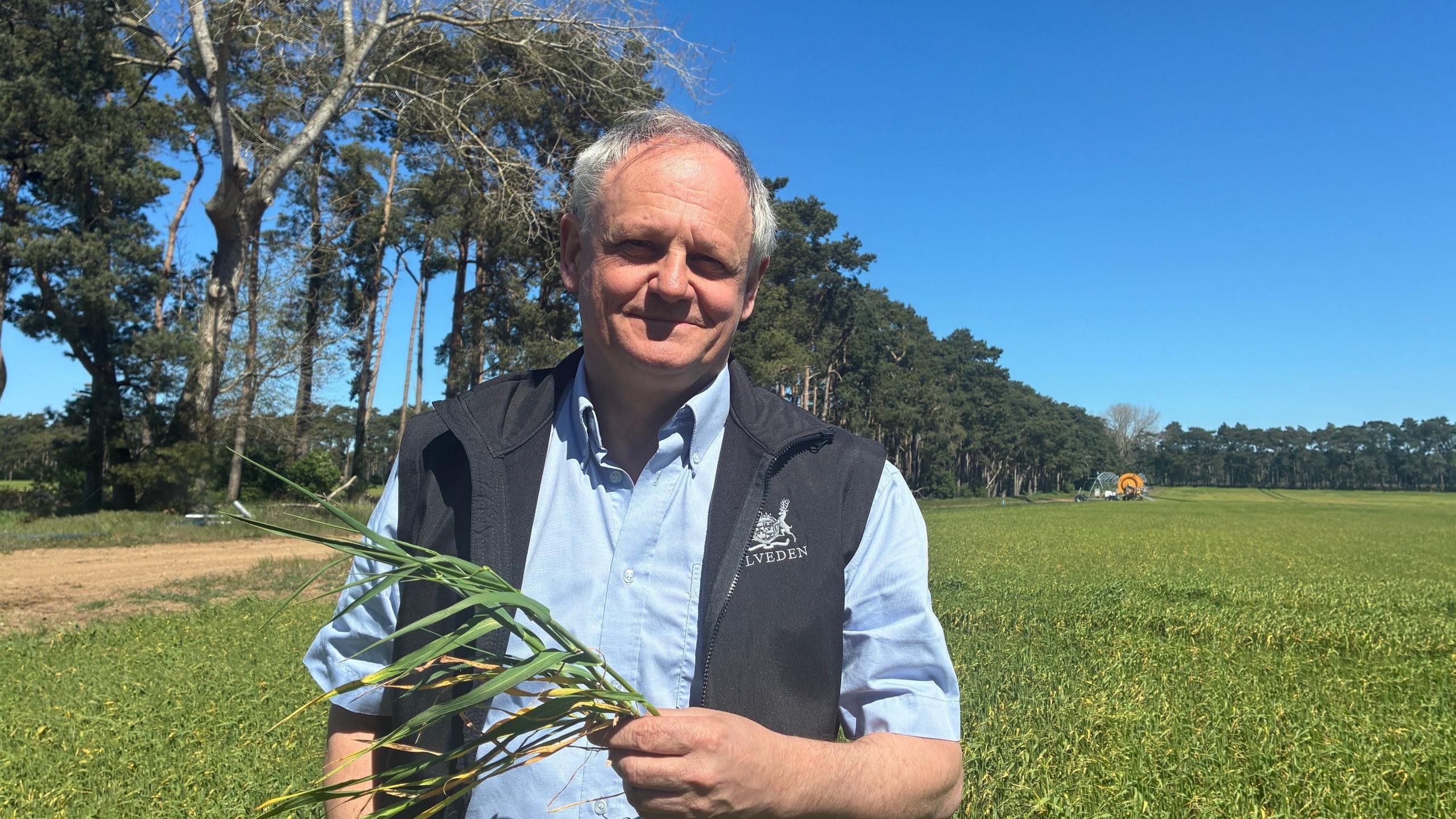
Andrew Blenkiron, who manages 10,000 acres of farmland on the borders of Norfolk and Suffolk, told BBC Weather that, after a dry March, they only received 2mm of rainfall in April which was 50% below average.
It means that they’ve had to start applying water to their land about two weeks earlier than usual and could have a big impact on this years crop, “Basically it’s dying on its feet. If we don’t get that rain we find yield potential drops to about 50% of its maximum.”
With four consecutive weeks of less than 10mm of rain in England, the Environment Agency said “river flows are now decreasing at the majority of sites.”
Simon Fluendy, of Southern Water, which controls water supplies in parts of Kent, Sussex, Hampshire and the Isle of Wight, said: “Water scarcity is a real issue in the south-east.” Fluendy added that wet weather earlier in the year does not mean “there is no risk of drought.”
Huge contrasts across the UK
While southern and eastern areas have been dry, much wetter weather has been experienced further north.
Successive low pressure systems have delivered most of the rain the UK has seen in April to Scotland and Northern Ireland.
In the Highlands and Western Isles, the wettest parts of Scotland, more than a month and a half’s worth of rain has fallen.
Tiree in the Inner Hebrides has recorded 124mm of rain. That’s 175% of average April rainfall.
Most of the water supply in northern areas of the UK comes from surface water – reservoirs and rivers.
These sources can be quick to respond to changing weather patterns with catchments going into and out of drought relatively quickly.
Scottish Water reports that water resource levels in Scotland are around 95%.
Below average spring rainfall leaves some areas ‘water-stressed’
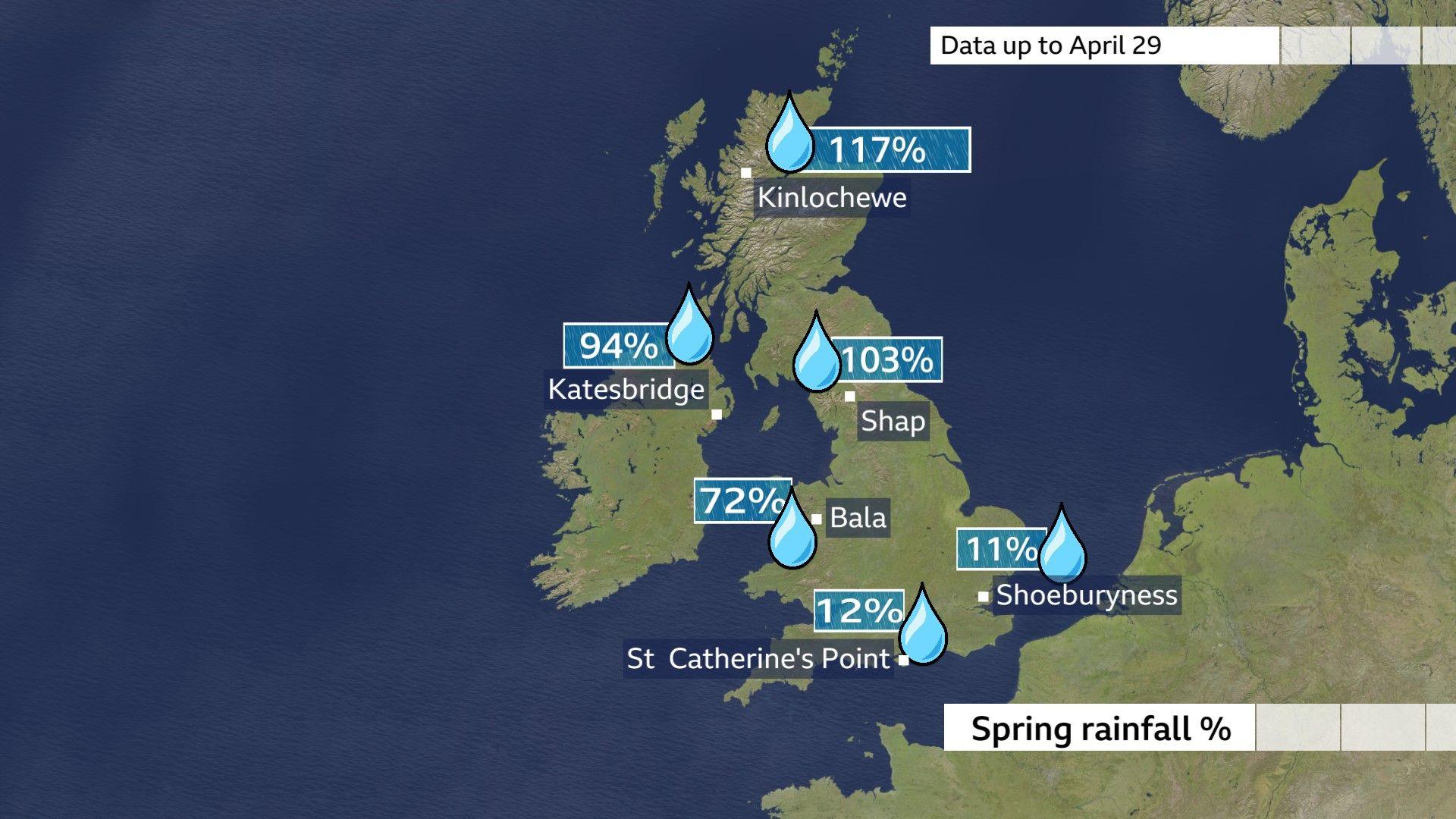
Despite some wet weather in March, the dry April means that average rainfall for spring as a whole has so far fallen well short in southern and eastern England.
Shoeburyness in Essex has only seen 11% of its average spring rainfall.
Fluendy says there has been a recovery of underground aquifers, rivers and reservoirs. But increasing threats from climate change, population growth and rising demand for water – especially during hot weather – leave the region “officially water-stressed”.
However, more than two-thirds of these water sources are currently classed as normal for the time of year, and soil moisture remains wetter than average across most of England.
Is there any rain on the way in May?
After some very dry and sunny conditions for the closing weeks of April, high pressure is replaced by low pressure in early May. This will bring the threat of showers and possible thunderstorms.
For the longer term it may become wetter by the middle of the month.
Keep up to date with our latest thoughts in the BBC Weather Monthly Outlook.
-
-
14 August 2025
-
Disclaimer : This story is auto aggregated by a computer programme and has not been created or edited by DOWNTHENEWS. Publisher: BBC



