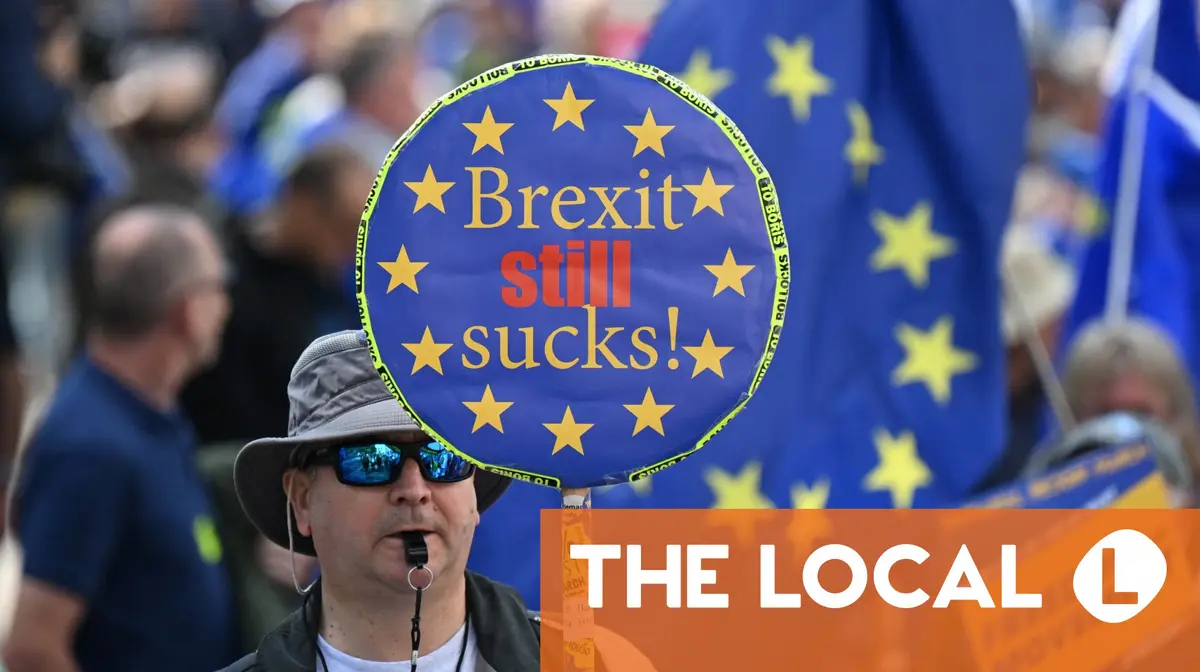
From red tape to relocation and loss – following the tenth anniversary of the Brexit vote, our readers explain the practical and emotional impact on their lives in Germany.
Brits living in Europe remember where they were on the morning of June 24th, 2016, when they learned for the first time that the UK had voted to leave the European Union.
Ten years after the Brexit vote, we asked our readers in Germany to reflect on the impact of Brexit. The responses we received point to more bureaucracy, fewer opportunities and a lingering sense of loss.
We did not receive any comments naming any possible benefits or advantages.
Brexit may have been a political decision taken in a single day. But for those living with its consequences abroad, it continues to shape daily life in ways both practical and deeply personal.
Red tape, restrictions and rising costs
A clear picture emerged from the responses we received. Brexit has made life more complicated, more expensive and more constrained.
For many, the most immediate and tangible impact has been administrative. The new reality was captured eloquently by Chris Owen, 74, originally from Dorking and now living in Cologne.
“In order to remain at home in Cologne, I had to acquire German citizenship,” he said.
Arguably, Chris was one of the lucky ones. Simon, who lives in Frankfurt, revealed the scale of the new restrictions for people unable or unwilling to acquire German citizenship.
“(Brexit) has affected everything: work promotion opportunities, ease of travel, mobility options, sending parcels home. Everything,” he said.
READ ALSO: Would Europe take the UK back and how did Brexit hit the lives of Brits in Europe?
And it isn’t just more layers of bureaucracy. For Brits in Germany, the impact can also be measured in additional financial burdens.
As Kathryn Gillespie in Frankfurt explained, “Before Brexit I used to order books and other goods from the UK. Now I don’t buy anything as I don’t want to pay extra customs charges. We have had to pay charges to receive birthday presents from friends in the UK. We also had to pay for German citizenship and now have to maintain both UK and German passports. More unnecessary expense.”
Brenda Pegg in Landshut also noted another key consequence of the vote, namely the inability for Brits in Germany to move to other countries in Europe.
A decision that prompted a move
For one respondent, Brexit didn’t just complicate life – it changed it completely.
Tamy described how the referendum result set off a chain of events that ultimately led her and her family to leave the UK.
“My husband (who is German) was very unhappy and upset about Brexit, and in 2022 he decided it would be better for us to move to Germany,” she said.
But relocation came with its own challenges.
Professionally, Tamy found herself unable to continue her career as a psychological counsellor. “I was unable to find a job in this field, partly because my qualifications were no longer recognised in the same way following Brexit.”
READ ALSO: An essential survival guide for tea drinkers in Germany
The complications didn’t stop there. Tamy revealed that she and her husband haven’t been able to take out a mortgage in Germany because they both earn in pounds rather than euros.
Then complicating things even further the couple ran into issues haviing their marriage recognised: “What took us completely by surprise… was that – as our marriage had taken place in a country that was now effectively a ‘third country’ – the roughly 30 years I had been married to a German national were not taken into account.”
“We had to have our marriage registered and wait two years… followed by a further year to be able to obtain my permanent residence permit,” explained Tamy.
Emotional toll
Perhaps the most striking aspect of the responses is the emotional toll which the UK’s withdrawal from the EU has taken on Brits in Germany. Issues that might appear minor at first glance arguably reveal something more profound – a growing sense of disconnection from the UK.
Kathryn Gillespie talked about the additional costs involved in exchanging gifts with friends and family in the UK. Jeffrey Carson, who lives in Schwalmstadt, also reflected on the loss of everyday comforts.
“I miss not being able to get some foods and English pipe tobacco by post,” he said.
READ ALSO: Ten of the best German cities for foreigners to retire
James Banks, who lives in Munich, wrote, “My sadness is only in watching the United Kingdom go progressively down the toilet year upon year, so much so that I feel I can no longer ever return there to live should my family wish to. It has also, perversely made me feel ‘stuck’ in Germany.”
That feeling of being “stuck” appears in different forms across the responses – whether through reduced mobility, administrative barriers or a sense that options have narrowed.
In a similar vein, Flo wrote about the uncertainty that came with having to apply for residency after years of living in Munich on an EU passport.
“After living here so long, we suddenly felt like second class citizens,” she said.
Thank you so much to the readers who took part in our survey. If your life in Germany has been adversely affected by Brexit or related issues, we’d be interested to hear your story. Drop us a note at news@thelocal.de.
Disclaimer : This story is auto aggregated by a computer programme and has not been created or edited by DOWNTHENEWS. Publisher: thelocal.de